Applications

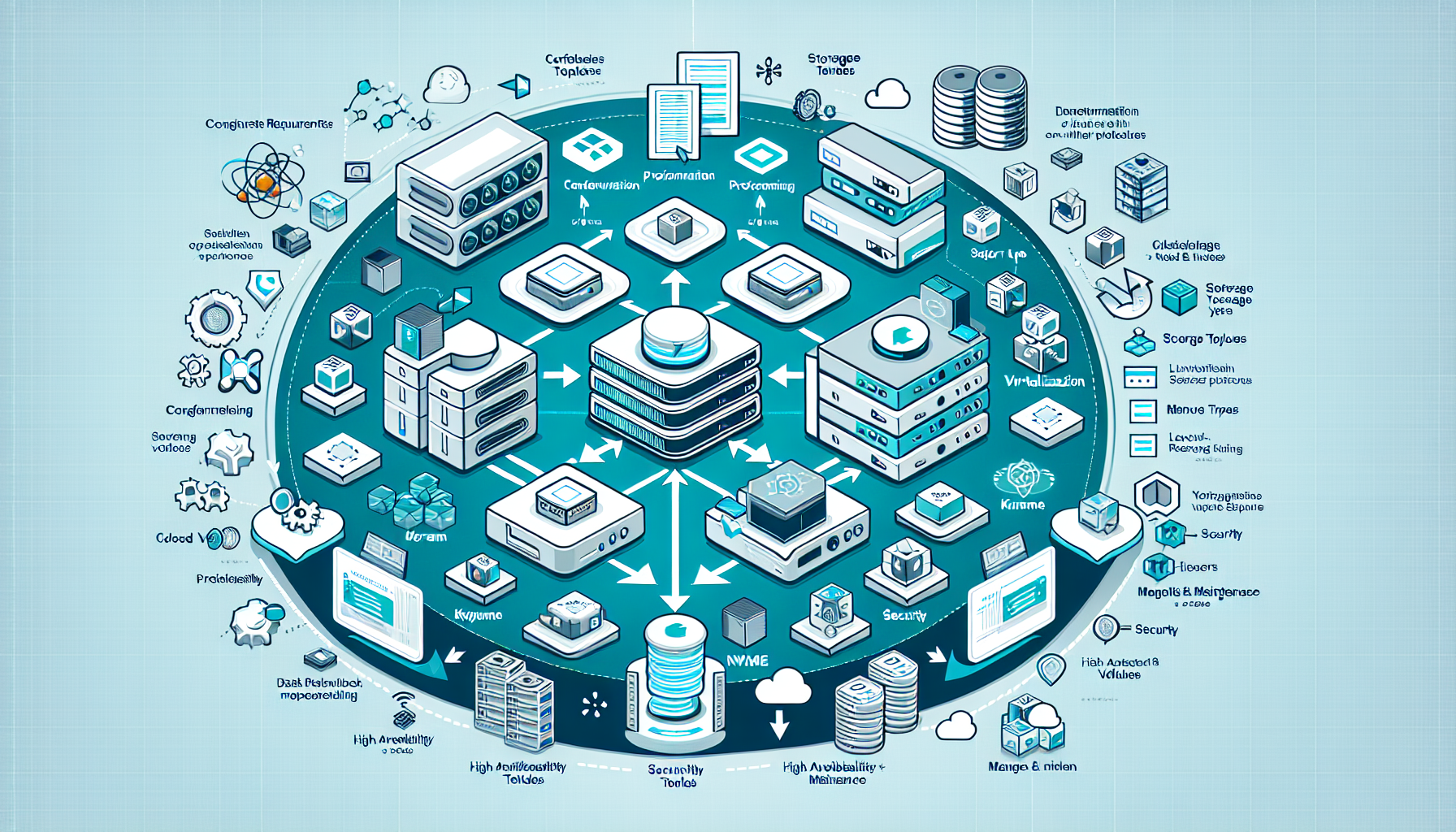
How do I integrate storage with virtualization platforms?

Storage integration makes or breaks a virtualization platform. Get it wrong and you’ll chase performance issues forever. Get it right and the infrastructure mostly runs itself. Here’s how to approach it. 1. Assess Your Storage Requirements Determine capacity based on actual VM workloads, not vendor sizing guides. Identify IOPS, throughput, and latency requirements for each […]
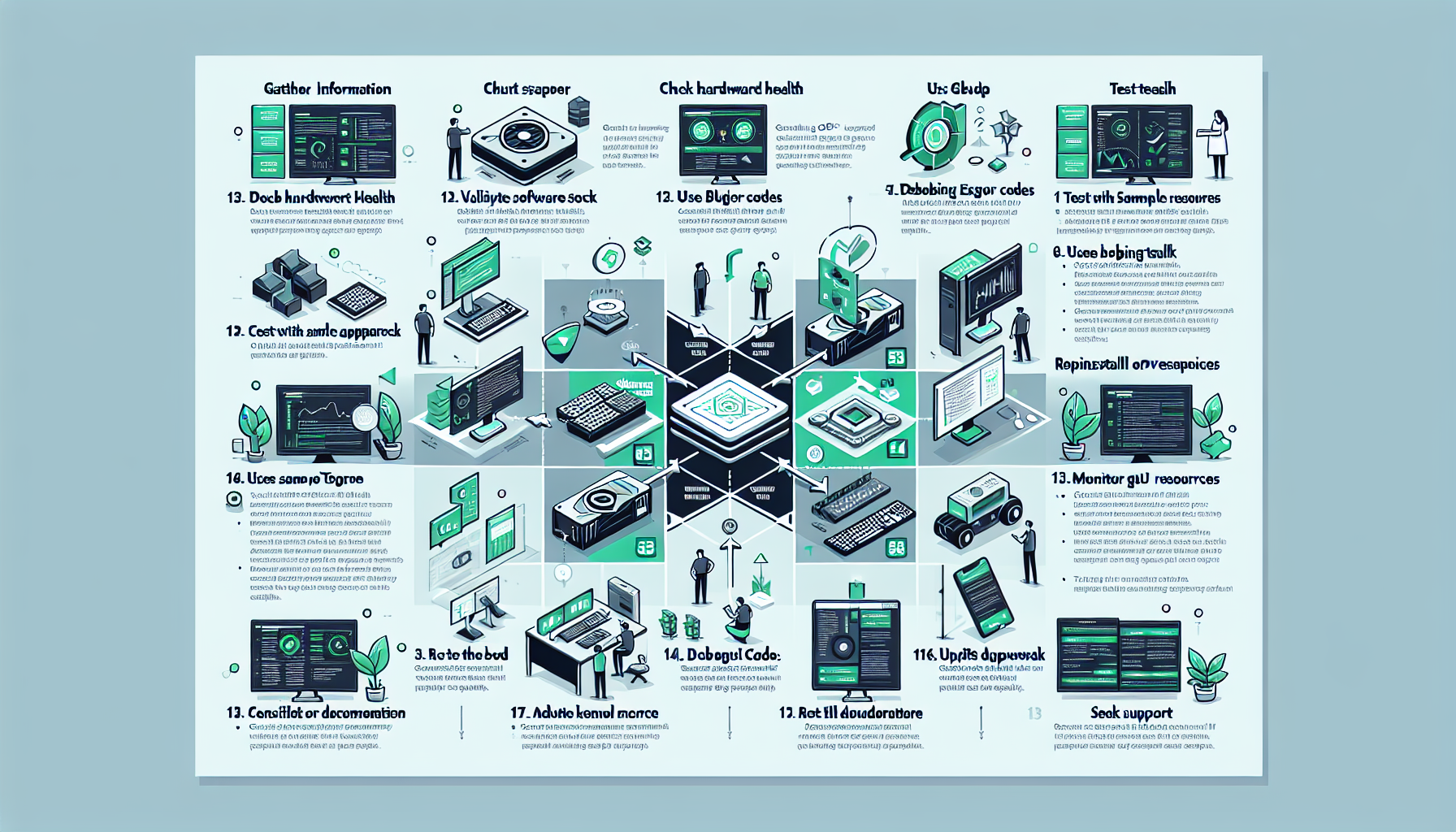
How do I troubleshoot CUDA errors on GPUs?

Troubleshooting CUDA errors on GPUs requires a systematic approach. Here’s a step-by-step guide: 1. Gather Information Before diving in, collect details about the problem: – Error Message: Note the exact CUDA error code or message (e.g., CUDA_ERROR_OUT_OF_MEMORY). – Environment: – GPU model (e.g., NVIDIA A100, RTX 3090). – CUDA version (e.g., CUDA 11.8). – Driver […]

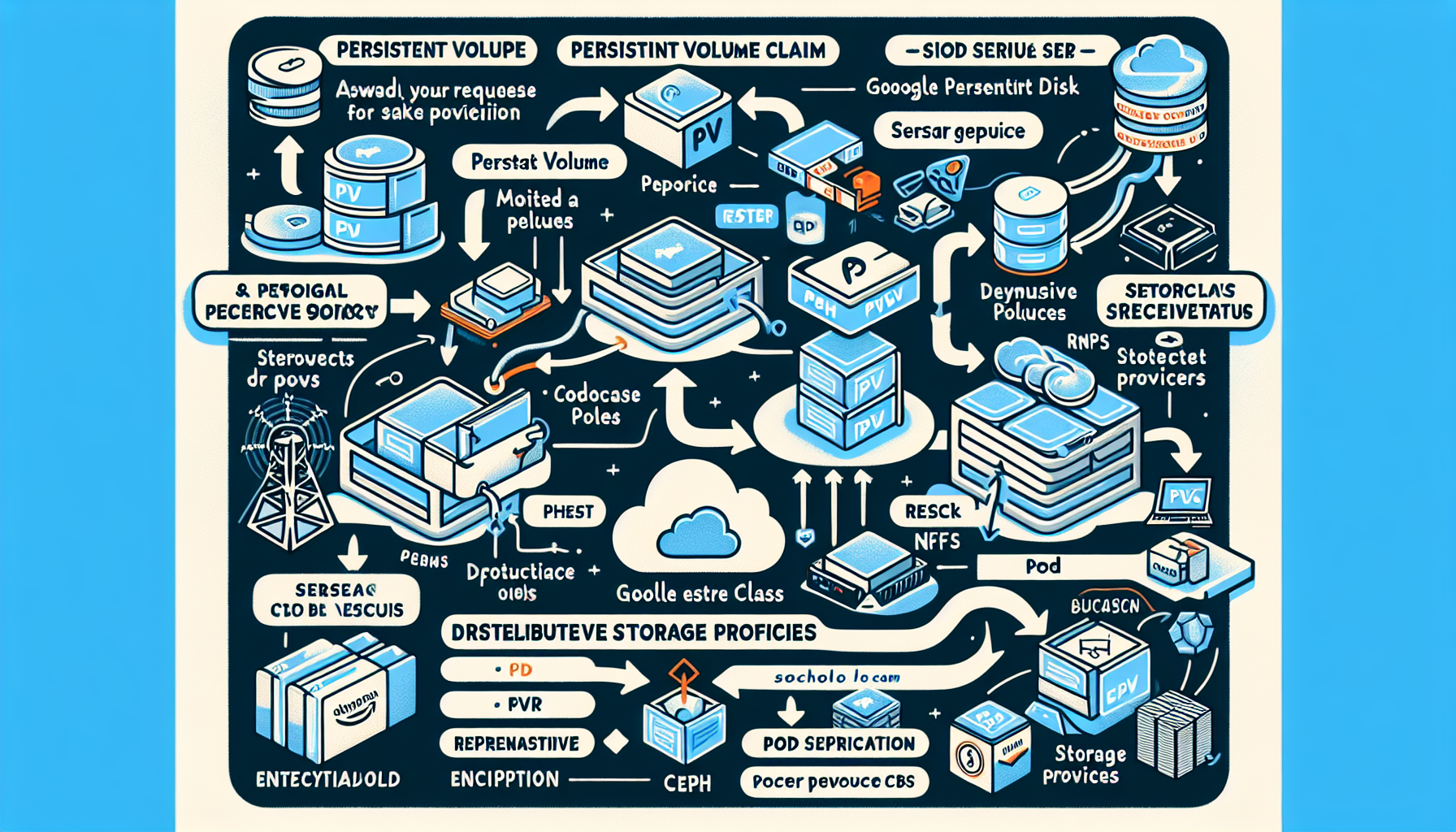
How do I manage persistent storage in Kubernetes?

Managing persistent storage in Kubernetes takes a few moving parts. Here’s how the pieces fit together. 1. Understand Kubernetes Storage Concepts Kubernetes abstracts storage through three main objects: PersistentVolume (PV): A piece of storage in the cluster — local disk, NFS, iSCSI, cloud block volume, etc. PersistentVolumeClaim (PVC): A pod’s request for storage. PVCs bind […]

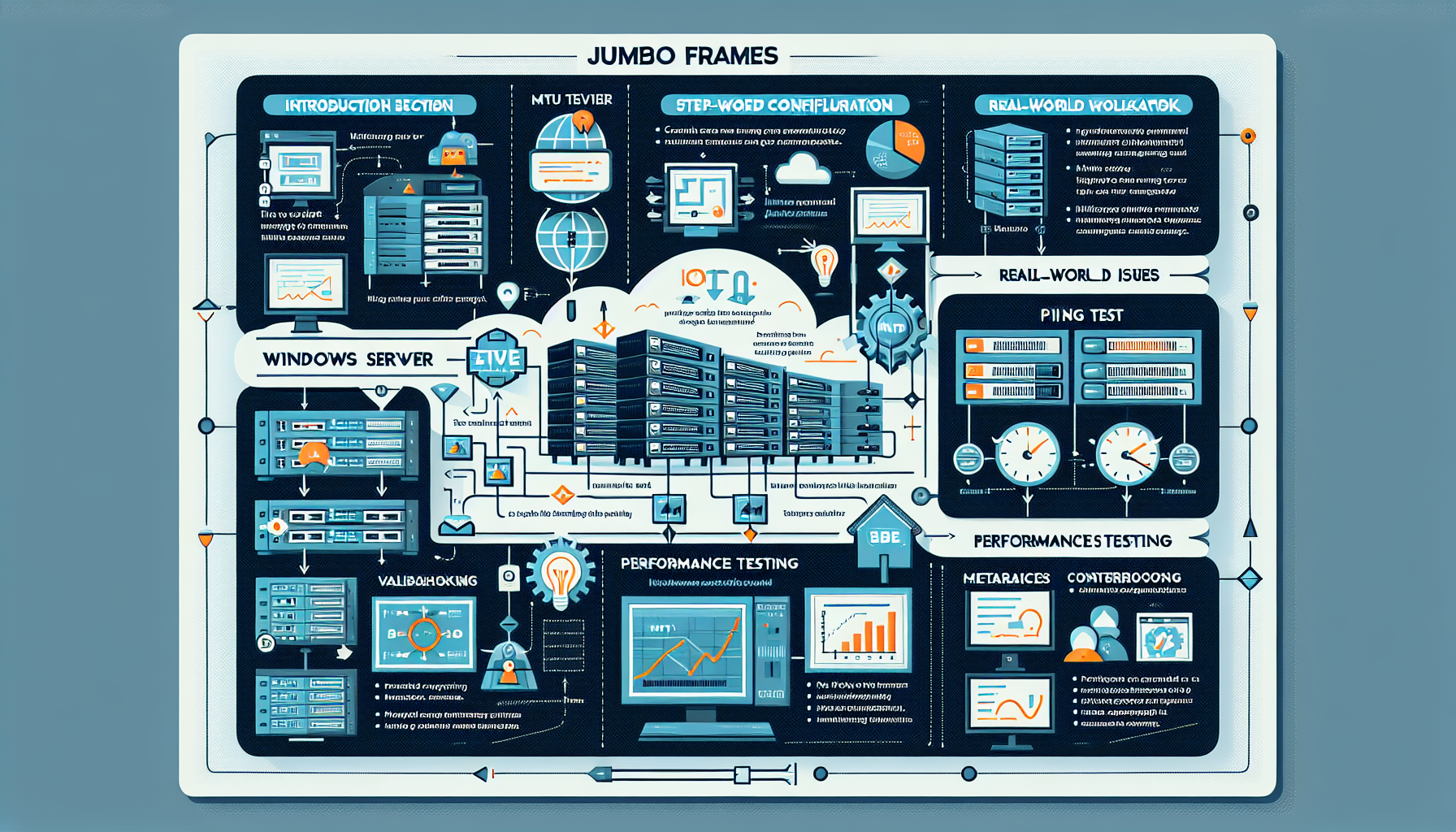
How do I configure jumbo frames on a server and validate performance improvement?

Configuring jumbo frames on a server involves enabling and optimizing larger Ethernet frame sizes (typically 9000 bytes) to improve network performance, especially in environments with high data throughput such as storage networks, virtualization, and AI workloads. Below are the steps to configure jumbo frames and validate the performance improvement: 1. Understand the Environment Check compatibility: […]

How do I configure IT infrastructure for remote workforces?

Configuring IT infrastructure for a remote workforce requires planning, security, and a usable experience to keep people productive. Here’s how to set it up: 1. Assessment and Planning Business needs: List the applications, storage, collaboration tools, and on-premises resources your remote teams need. Existing infrastructure: Review what you have and whether it scales to support […]

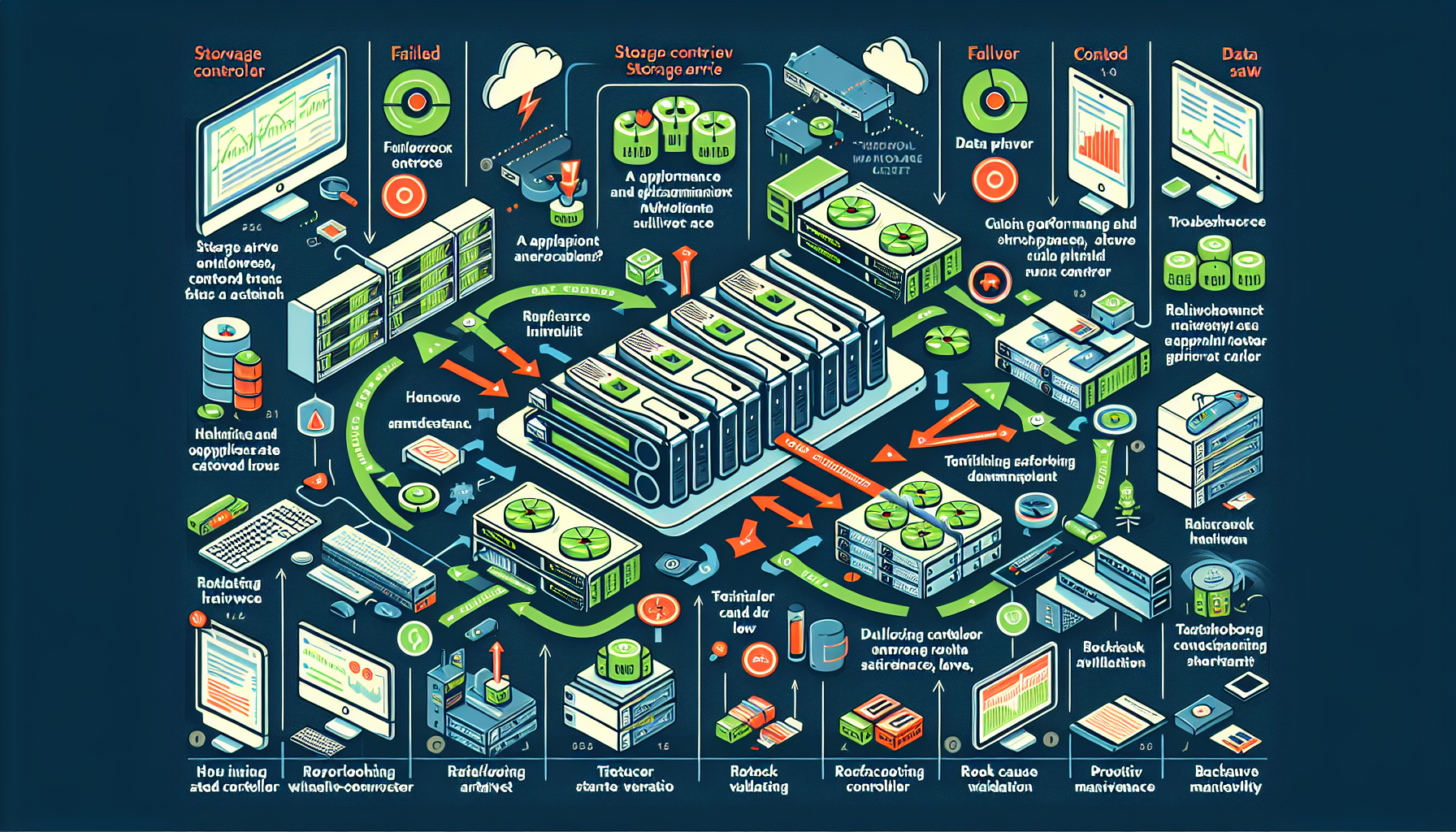
How do I handle storage array controller failures?

When a storage array controller fails, you need a clear sequence: identify, assess, communicate, fail over, diagnose, replace, validate, and document. Here’s the practical workflow. 1. Identify the Problem Check your storage management software or monitoring tools for alerts indicating a controller failure. Use the array management interface (GUI or CLI) to verify the failed […]

Scroll to top