Applications

How do I implement a software-defined data center (SDDC)?

Implementing a Software-Defined Data Center (SDDC) means transitioning traditional infrastructure into a fully virtualized, automated, and policy-driven environment. Here’s a step-by-step approach: 1. Understand SDDC Concepts and Objectives Before starting, make sure you and your team grasp the core layers: – Compute Virtualization: Virtual machines, containers, and Kubernetes. – Storage Virtualization: Software-defined storage (e.g., vSAN, […]
How do I optimize IT infrastructure for large-scale data migrations?

Large-scale data migrations live or die by infrastructure preparation. The steps below cover what actually moves the needle. 1. Assess the Scope of Migration Analyze the size, type, structure, and sensitivity of the data to be migrated. Evaluate the current infrastructure (source) and destination (on-premises, cloud, or hybrid). Identify dependencies on applications, databases, and services […]

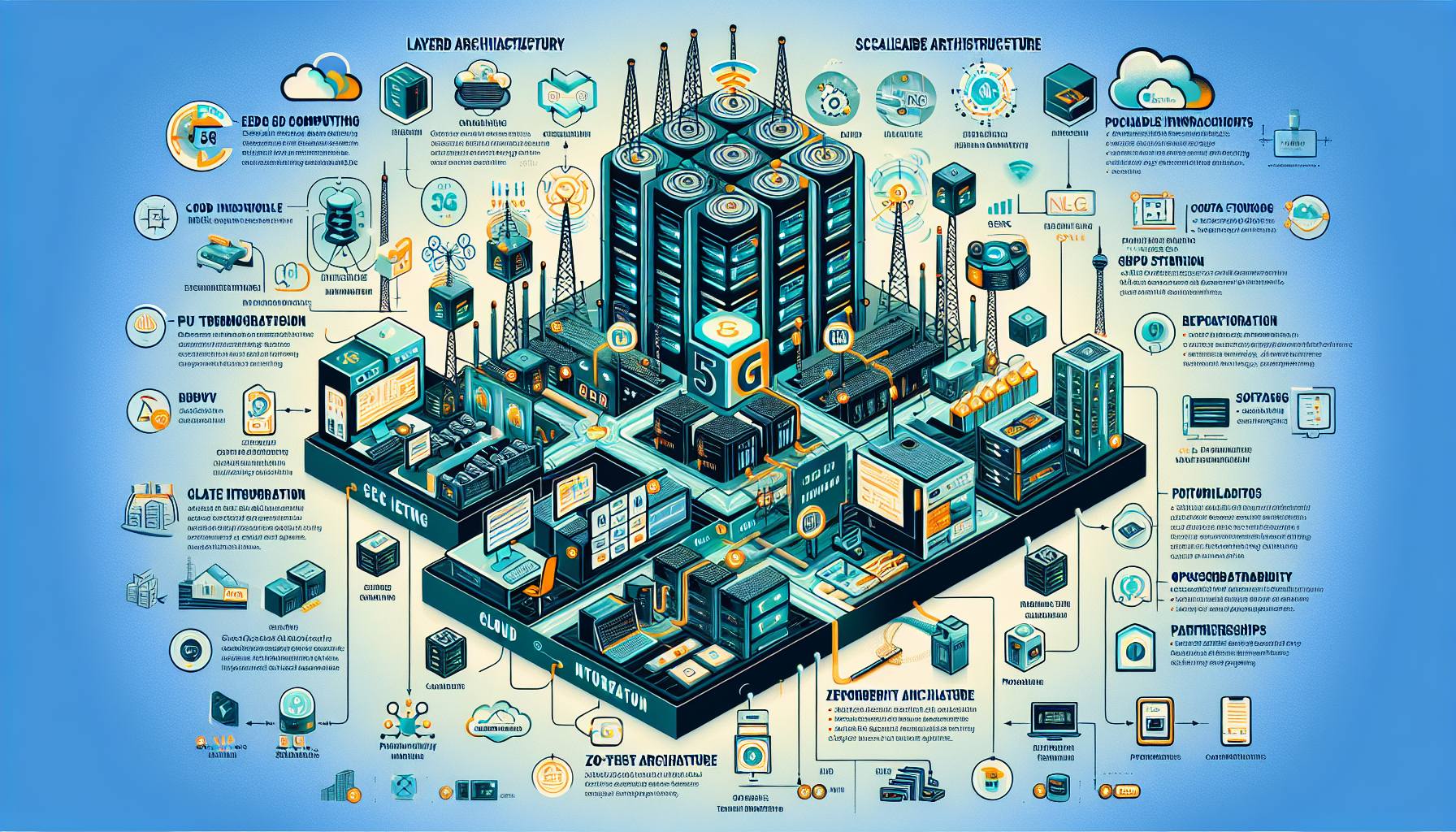
How do I implement IT infrastructure for 5G networks?

Implementing IT infrastructure for 5G networks takes a combination of capable hardware, advanced software, and scalable architecture to support the high-speed, low-latency, and massive connectivity demands of 5G. Here’s a step-by-step approach for an IT manager overseeing datacenters, storage, servers, virtualization, and related technologies: 1. Design the Infrastructure Architecture Edge Computing: Deploy edge datacenters close […]

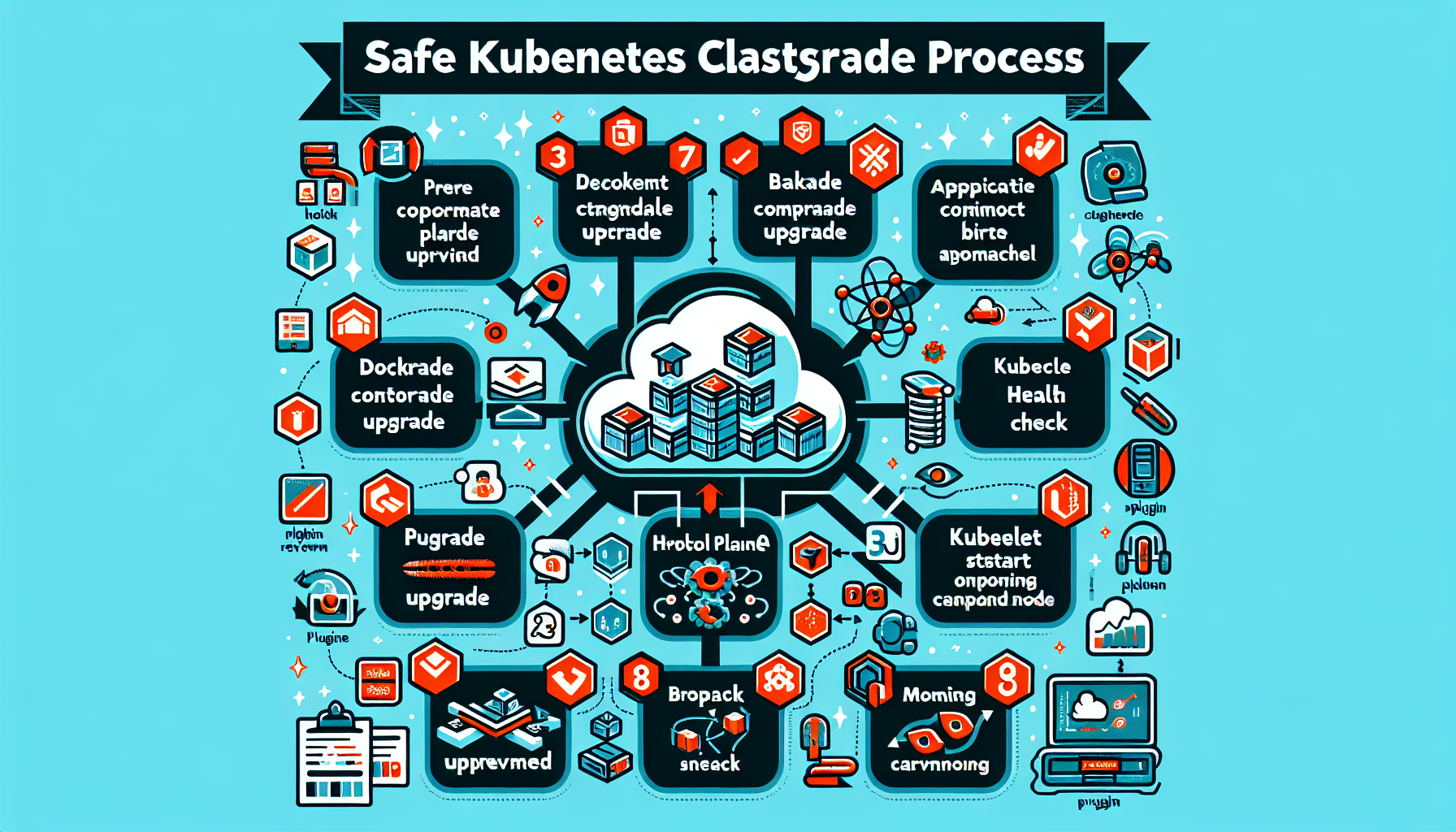
How do I upgrade a Kubernetes cluster safely?

Upgrading a Kubernetes cluster takes careful planning to avoid downtime and workload disruptions. Here are the steps: 1. Pre-Upgrade Planning a. Review Release Notes Check the Kubernetes Release Notes for the version you plan to upgrade to. Understand deprecations, breaking changes, and new features. Verify compatibility with add-ons, plugins, and third-party tools (e.g., CNI, CSI, […]

How do I configure IT infrastructure for cloud-native applications?

Configuring IT infrastructure for cloud-native applications requires careful planning and implementation of modern technologies that enable scalability, flexibility, and high availability. Here are the steps you can follow to set up your IT infrastructure: 1. Assess Requirements Understand Application Needs: Identify the resource requirements (CPU, memory, GPU, storage, etc.), containerization preferences, networking needs, and dependencies. […]

How do I configure IT infrastructure for large-scale distributed databases like Cassandra?

1. Hardware Requirements Compute Nodes CPU: Choose servers with strong multi-core CPUs (e.g., AMD EPYC or Intel Xeon). Cassandra is CPU-intensive for queries and writes. Memory: Allocate sufficient RAM. Cassandra benefits from large amounts of memory for caching, but it doesn’t store data in memory. A good starting point is 32 GB to 64 GB […]

Scroll to top