Cloud

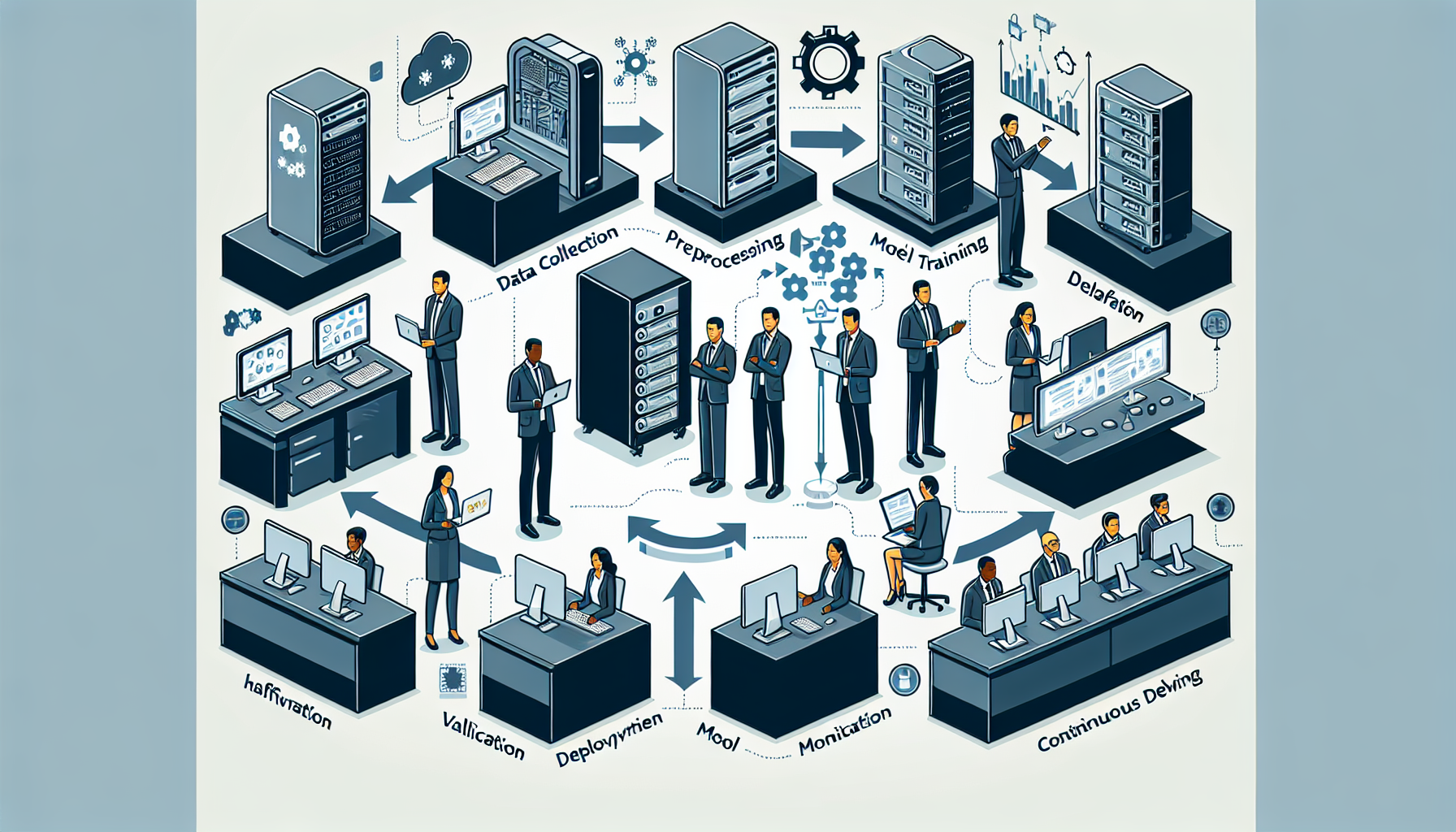
How do I implement machine learning operations (MLOps) infrastructure?

Implementing Enterprise-Grade MLOps Infrastructure: A Step-by-Step Guide MLOps is no longer a luxury—it’s a necessity for organizations looking to operationalize machine learning models at scale. In my experience managing AI deployments in enterprise environments, the difference between a successful MLOps rollout and a failed one often comes down to how the infrastructure is designed and […]
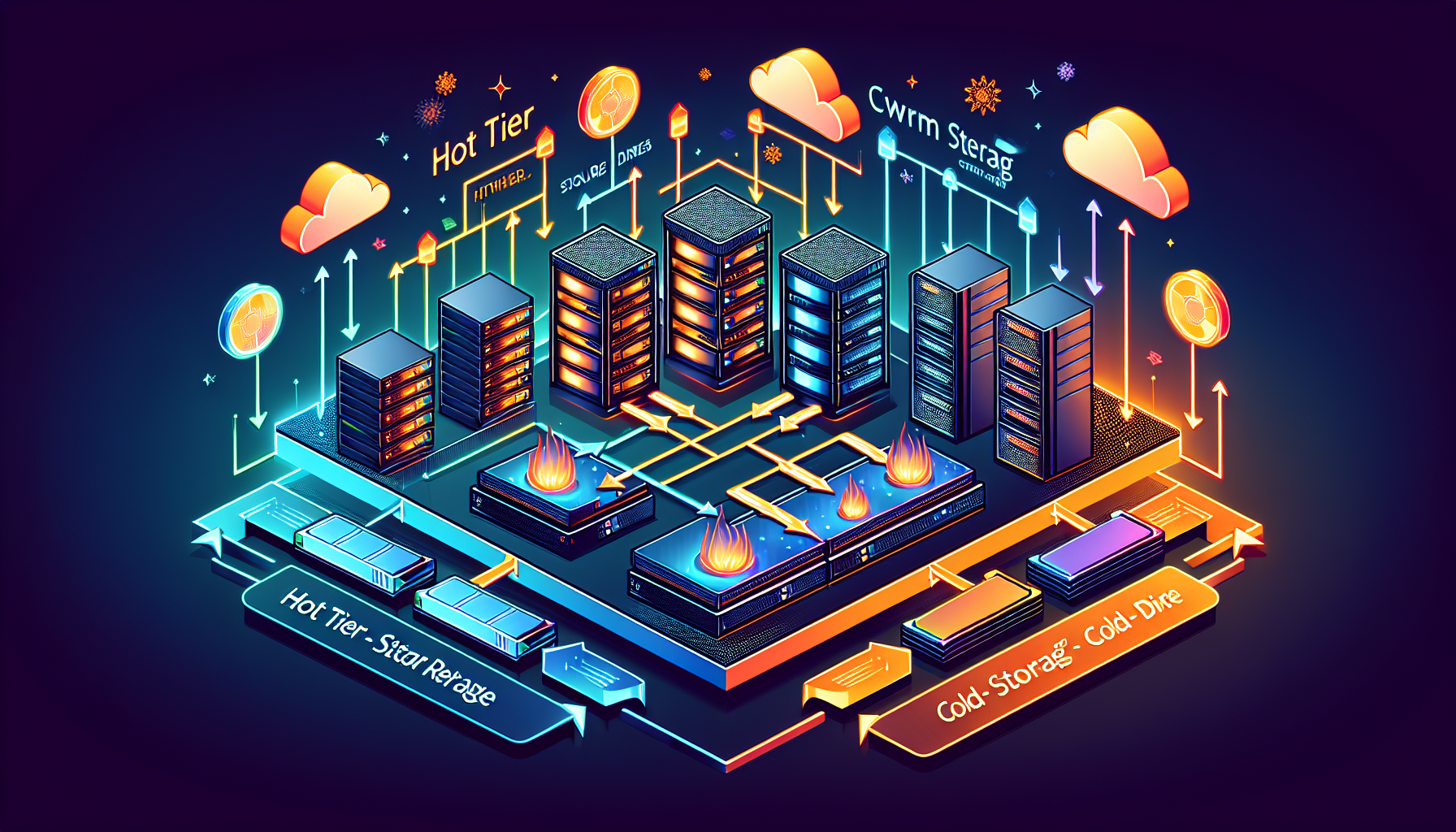
How do I configure storage tiering for AI workloads?

Configuring Storage Tiering for AI Workloads: A Step-by-Step Enterprise Guide In my experience managing AI infrastructure at scale, one of the most overlooked yet critical performance optimizations is storage tiering. AI workloads are notorious for high I/O requirements during training, but they also generate large volumes of data that don’t need to reside on expensive […]

How do I debug Kubernetes ingress controllers for HTTP 502 or 504 errors?

1. Understand the error codes HTTP 502 (Bad Gateway): The Ingress controller reached the backend, but the backend returned an invalid response. HTTP 504 (Gateway Timeout): The Ingress controller didn’t receive a response from the backend within the configured timeout. 2. Check the Ingress resource Start with the Ingress manifest: kubectl describe ingress <ingress-name> Verify: […]

How do I implement auto-scaling in Kubernetes?

Kubernetes auto-scaling comes in three layers: Horizontal Pod Autoscaler (HPA) for replica count, Vertical Pod Autoscaler (VPA) for pod resource requests, and Cluster Autoscaler for node count. You’ll typically use HPA first, add Cluster Autoscaler when nodes run out of capacity, and use VPA carefully — it restarts pods and can fight with HPA if […]

How do I implement just-in-time (JIT) access for critical IT infrastructure systems?

Just-In-Time (JIT) access reduces the attack surface by granting privileged access only when needed, for a limited time. Here’s how to implement it for critical infrastructure. 1. Define Scope and Objectives Identify Critical Systems: Pinpoint the systems requiring JIT access (servers, storage, virtualization platforms, Kubernetes clusters, network devices). Define Use Cases: Determine scenarios where JIT […]

How do I scale GPU resources for AI training?

Scaling GPU resources for AI training involves several considerations, including hardware, software, workload management, and infrastructure planning. Here are the steps to effectively scale GPU resources: 1. Assess Workload Requirements Understand the Model: Determine the size and complexity of the AI model you’re training. Larger models (e.g., transformer-based models like GPT) require more GPU memory […]

Scroll to top