Applications

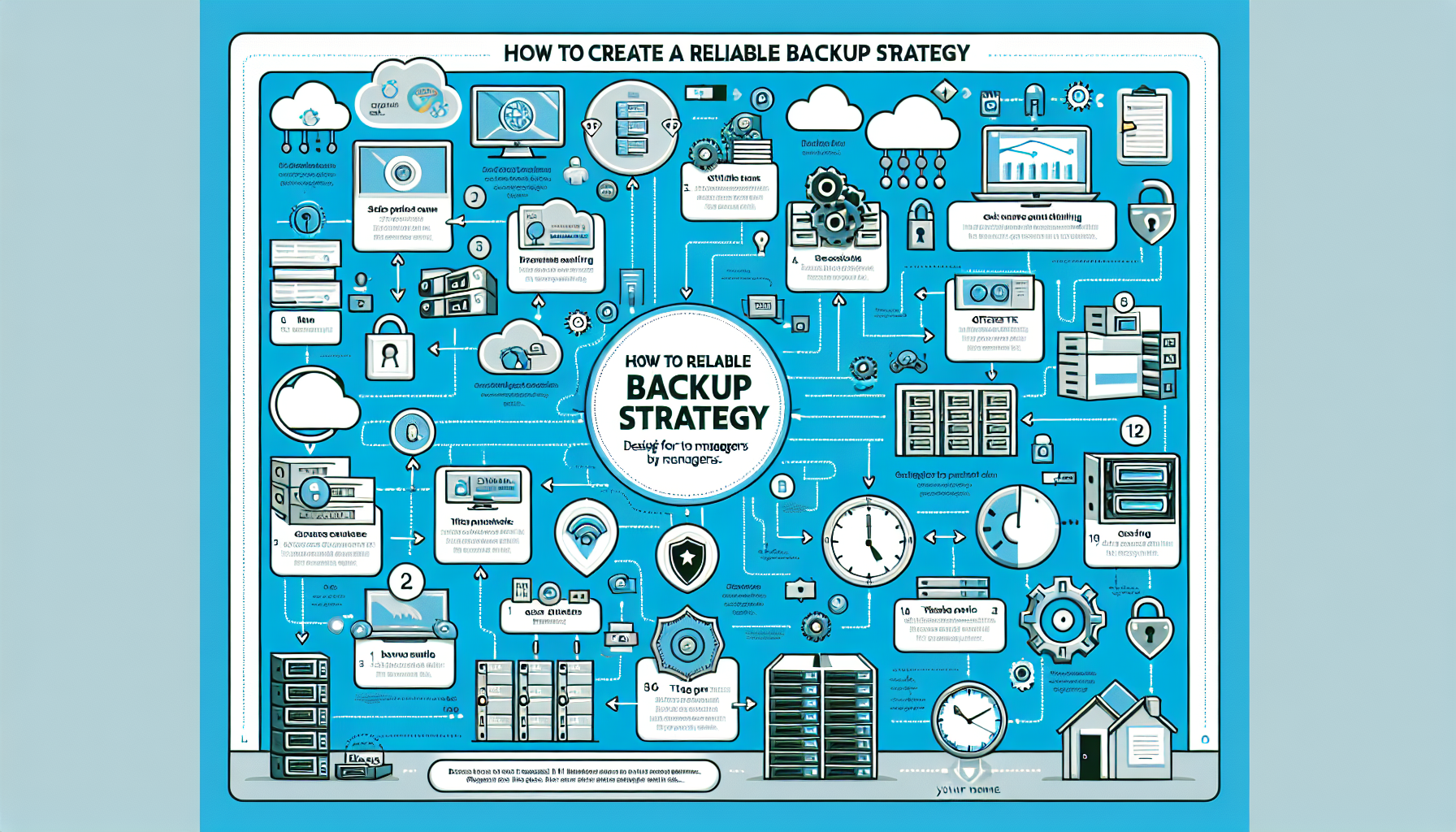
How do I create a reliable backup strategy?

A reliable backup strategy protects data integrity, availability, and disaster recovery. If you manage datacenters, storage, or infrastructure, here’s how to design one: 1. Define Objectives and Requirements Identify Critical Data: Determine which systems, applications, and data are mission-critical and need to be backed up. Recovery Time Objective (RTO): How quickly you need the data […]
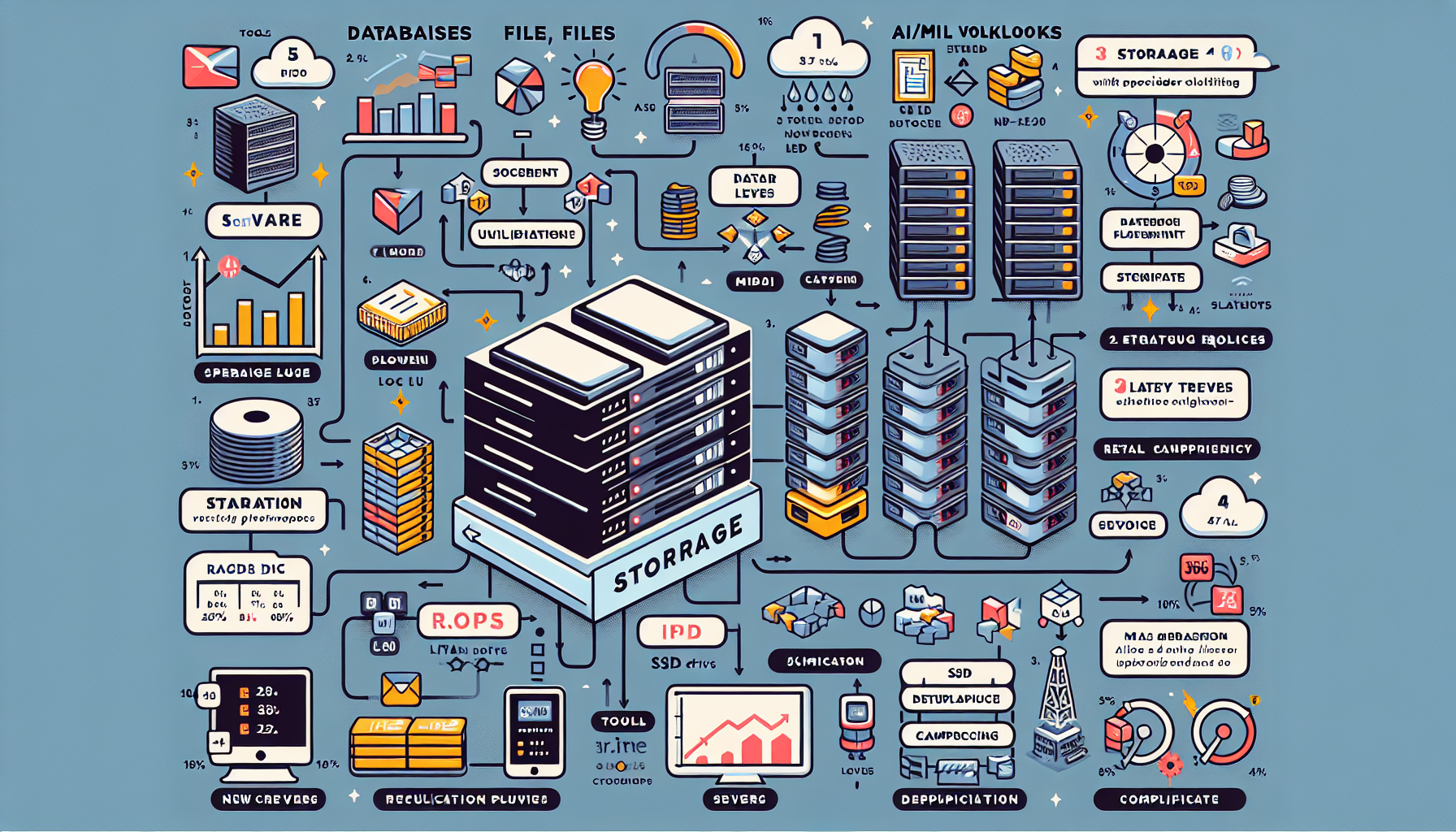
What are the best tools for monitoring datacenter infrastructure?

Monitoring a data center means covering servers, storage, backups, virtualization, Kubernetes, and the network. No single tool does all of it well. Below are the tools I reach for, grouped by what they actually monitor. 1. Comprehensive Data Center Monitoring End-to-end visibility across hardware, hypervisors, and applications: SolarWinds Server & Application Monitor (SAM): Covers Windows, […]

How do I calculate storage requirements for my infrastructure?

Calculating storage requirements for your infrastructure is a critical step to ensure optimal performance, scalability, and cost efficiency. Below are the key steps to help you assess and calculate your storage needs accurately: 1. Understand Your Workload and Data Types Identify Use Cases: Determine the purpose of the storage (e.g., database, file sharing, backups, virtual […]

How do I optimize IT infrastructure for CRM tools?

Optimizing IT infrastructure for CRM tools means focusing on availability, performance, scalability, and security. Here’s how to approach it. 1. Assess CRM Requirements Determine whether the CRM is cloud-based (Salesforce, HubSpot, Zoho) or self-hosted (Microsoft Dynamics on-premises, SuiteCRM). Identify required performance metrics: response time, concurrent users, data throughput. Map integration points with ERP, marketing automation, […]

How do I configure IT infrastructure for media production workflows?

Configuring IT infrastructure for media production workflows involves designing a scalable, high-performance, and reliable system to support the demanding requirements of video editing, rendering, post-production, asset management, and collaboration. Below is a step-by-step guide for configuring your IT infrastructure: 1. Assess Media Production Requirements Understand Workflow Needs: File types (e.g., 4K, 8K, RAW, ProRes, etc.). […]

How do I configure IT infrastructure for IoT data processing?

Configuring IT infrastructure for IoT data processing means designing a scalable, secure system to handle collection, storage, processing, and analysis of massive IoT data streams. 1. Assess Requirements and Plan Define objectives: understand the use case (predictive maintenance, smart cities, healthcare monitoring). Estimate data volume, velocity, and variety from your devices. Determine real-time or near-real-time […]

Scroll to top