data security

How do I implement immutable backups for ransomware protection?

Immutable backups protect your data from ransomware by making it impossible to alter, delete, or encrypt after writing. Here’s how to implement them effectively: 1. Understand Backup Immutability Immutable backups cannot be modified or deleted during a set retention period, no matter the permissions. This relies on Write Once Read Many (WORM) storage or immutable […]
How do I handle e-waste disposal for datacenter hardware?

You need to dispose of datacenter hardware. Here’s how to do it right: 1. Develop an E-Waste Disposal Policy Create a formal policy that outlines how your datacenter will handle outdated or unused IT hardware. Include processes for decommissioning, secure data erasure, recycling, and vendor selection. 2. Perform Asset Inventory Before disposing of hardware, conduct […]

How do I configure IT infrastructure for supply chain management systems?

Configuring IT infrastructure for supply chain management (SCM) systems means designing a resilient, scalable, and secure environment that ensures performance, availability, and data integrity. Here’s a step-by-step guide: 1. Understand the Requirements SCM Software Requirements: Identify supported operating systems, databases, middleware, and resource needs (CPU, RAM, storage). Performance Expectations: Define expected transaction volumes, concurrent users, […]

How do I secure data on shared storage systems?

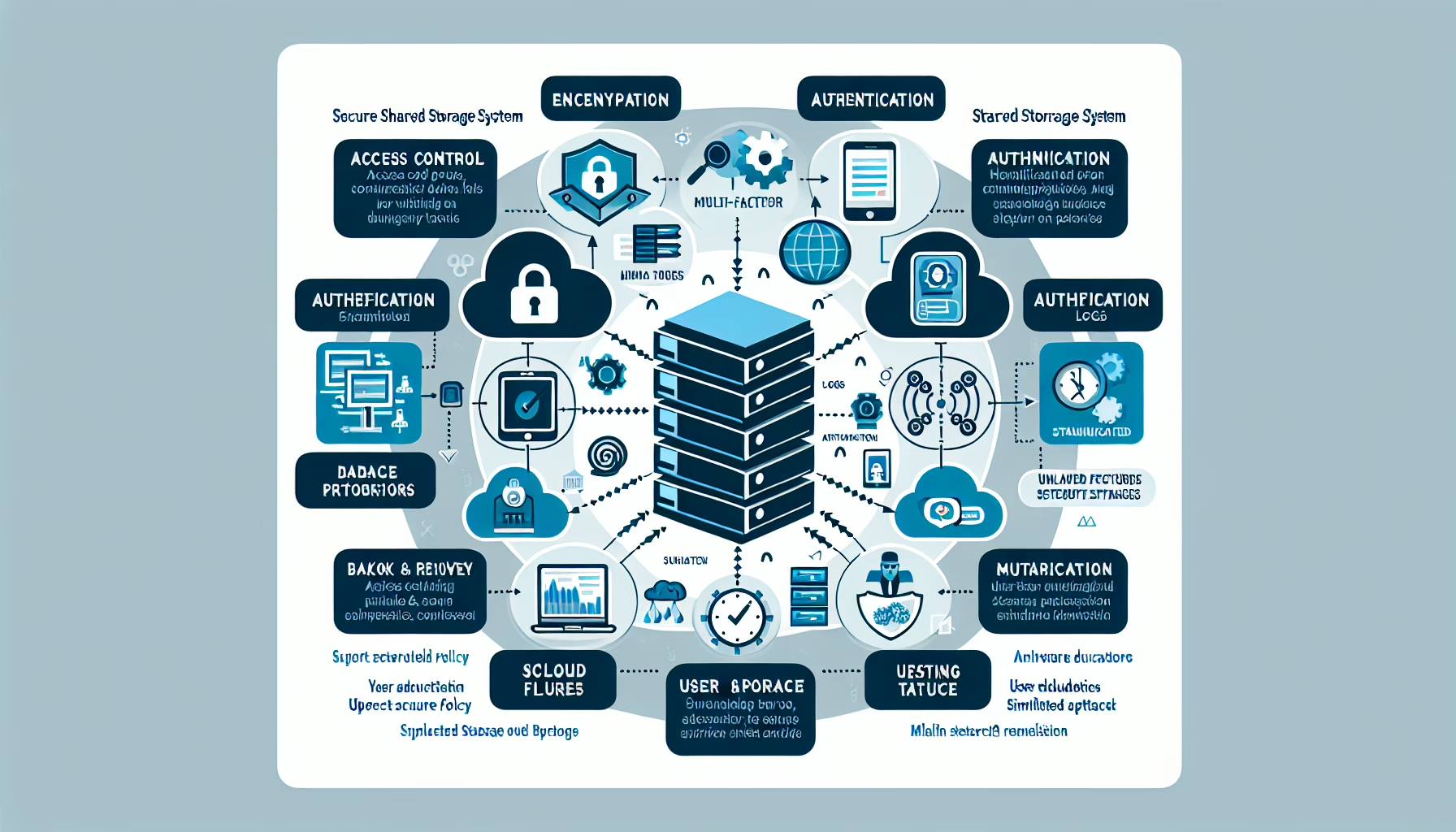
Securing data on shared storage systems prevents unauthorized access, data loss, and corruption. Here are the key practices: 1. Implement Access Control Policies Role-Based Access Control (RBAC): Assign permissions based on roles so users only access the data they need. Least Privilege Principle: Limit access rights to the minimum required for users or services to […]

What are the best practices for managing storage encryption?

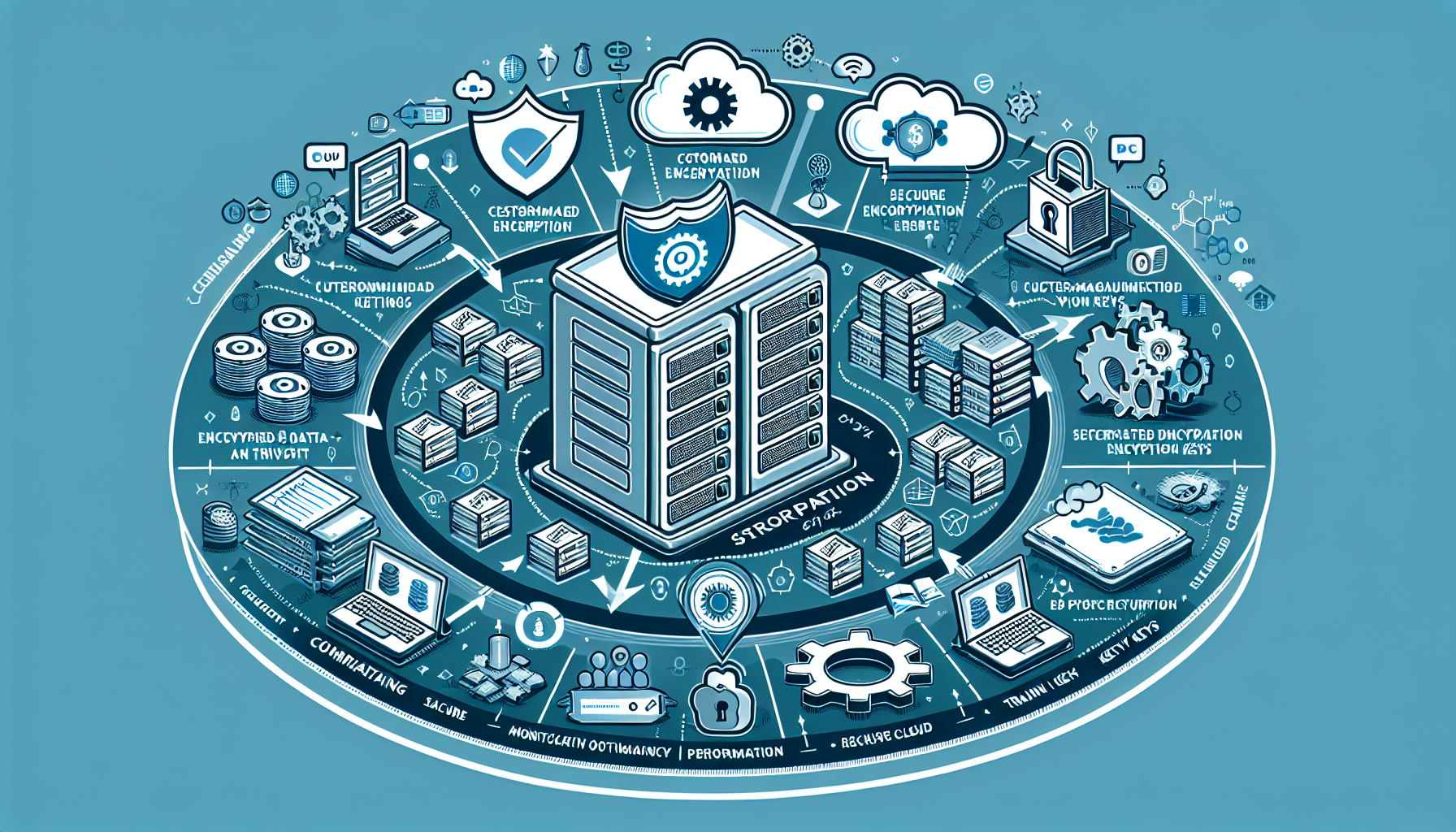
Storage encryption protects sensitive data, but only if you manage it right. Here’s what works in practice: 1. Use Industry-Standard Encryption Protocols Use AES-256. It’s the standard for a reason: widely vetted, compliant, and no known practical breaks. Skip proprietary or deprecated algorithms; they’re a liability. 2. Encrypt Data at Rest and In Transit Encrypt […]

How do I manage IT compliance and audits effectively?

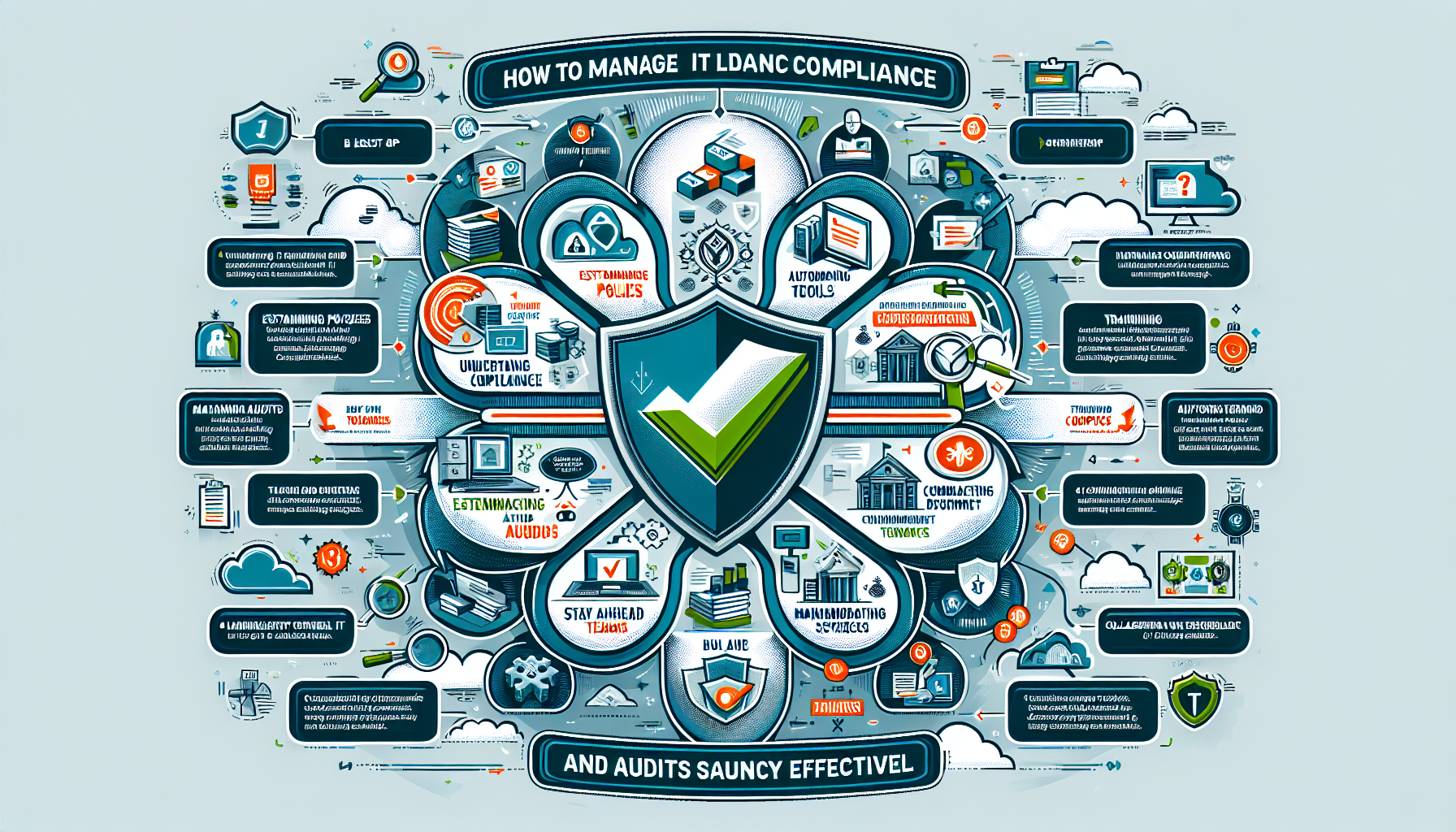
IT compliance and audits keep your infrastructure aligned with regulations, standards, and internal policy. Here’s how to run the program without drowning in paperwork. 1. Understand Compliance Requirements Identify the standards that apply — GDPR, HIPAA, PCI DSS, SOX, ISO 27001, or others — and read the actual control language. Map each requirement to the […]

Scroll to top