Kubernetes security

How do I secure IT infrastructure for biometric authentication systems?

1. Secure the Biometric Data Encrypt biometric data at rest (AES-256) and in transit (TLS 1.2/1.3). Store biometric data separately from other datasets with tightly controlled access. Enforce least-privilege access so only authorized systems, applications, and personnel reach the biometric database. Anonymize biometric data where possible to avoid direct linkage to individuals. 2. Harden Servers […]
How do I secure IT infrastructure for research and development environments?

Research and development environments hold sensitive data, intellectual property, and experimental workloads that make them high-value targets. Here are the key controls to put in place. 1. Understand the Environment and Data Classify data: Identify and categorize sensitive data — intellectual property, proprietary research, customer data. Risk assessment: Map vulnerabilities and threats specific to your […]

How do I integrate IT infrastructure with IAM (Identity and Access Management)?

Integrating your IT infrastructure with an Identity and Access Management (IAM) solution strengthens security, improves operational efficiency, and helps meet compliance requirements. Here’s a step-by-step approach: 1. Assess Your IT Infrastructure and IAM Requirements Inventory your infrastructure: document servers, storage systems, virtualization platforms, Kubernetes clusters, and cloud resources. Define access needs: identify which systems and […]

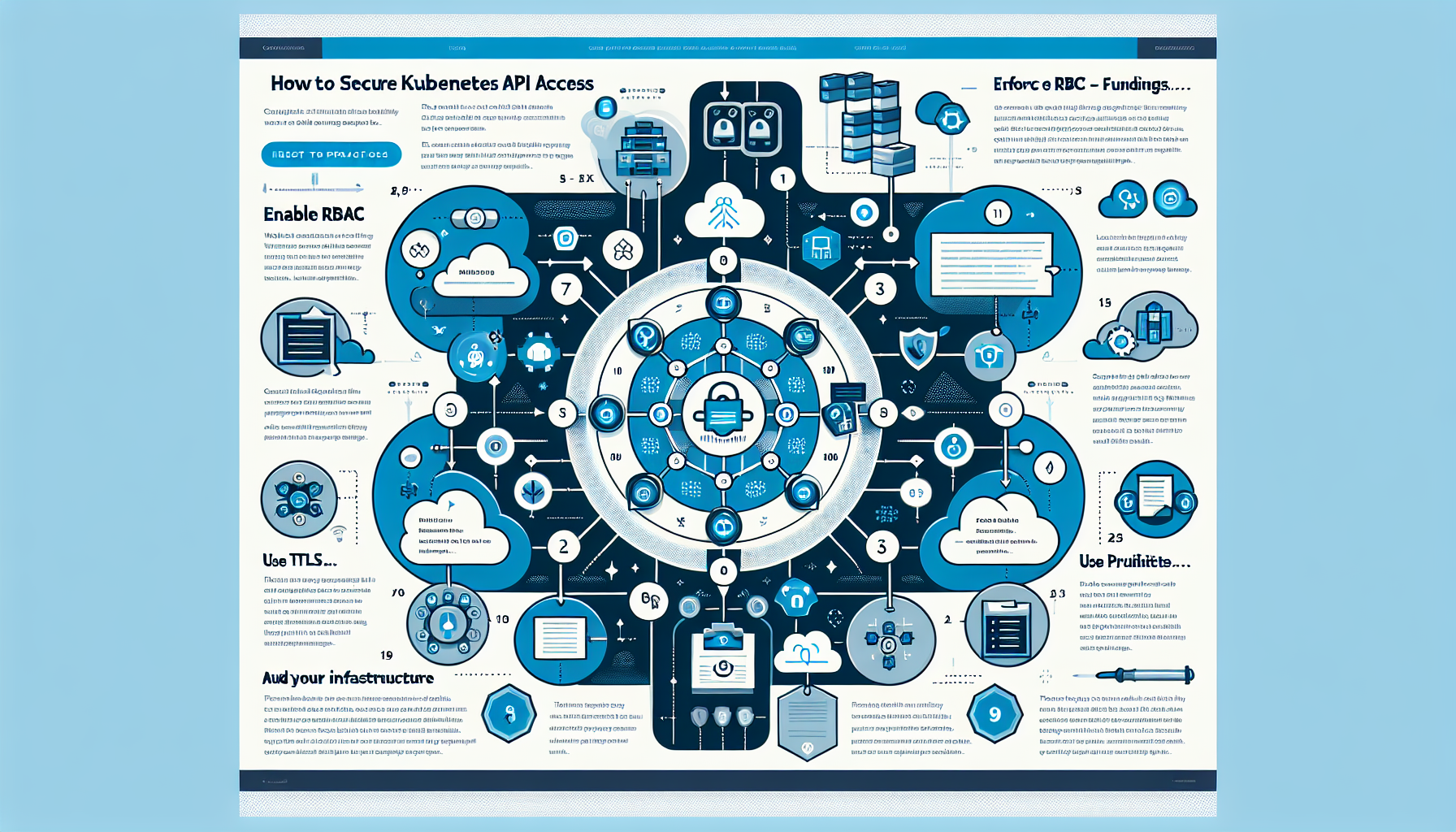
How do I secure Kubernetes API access?

1. Enable Role-Based Access Control (RBAC) RBAC lets you enforce granular access policies by defining roles and binding them to specific users or service accounts. Create roles and cluster roles with the principle of least privilege. Bind roles to users, groups, or service accounts using RoleBindings or ClusterRoleBindings. bash kubectl create rolebinding <name> –role=<role-name> –user=<user-name> […]

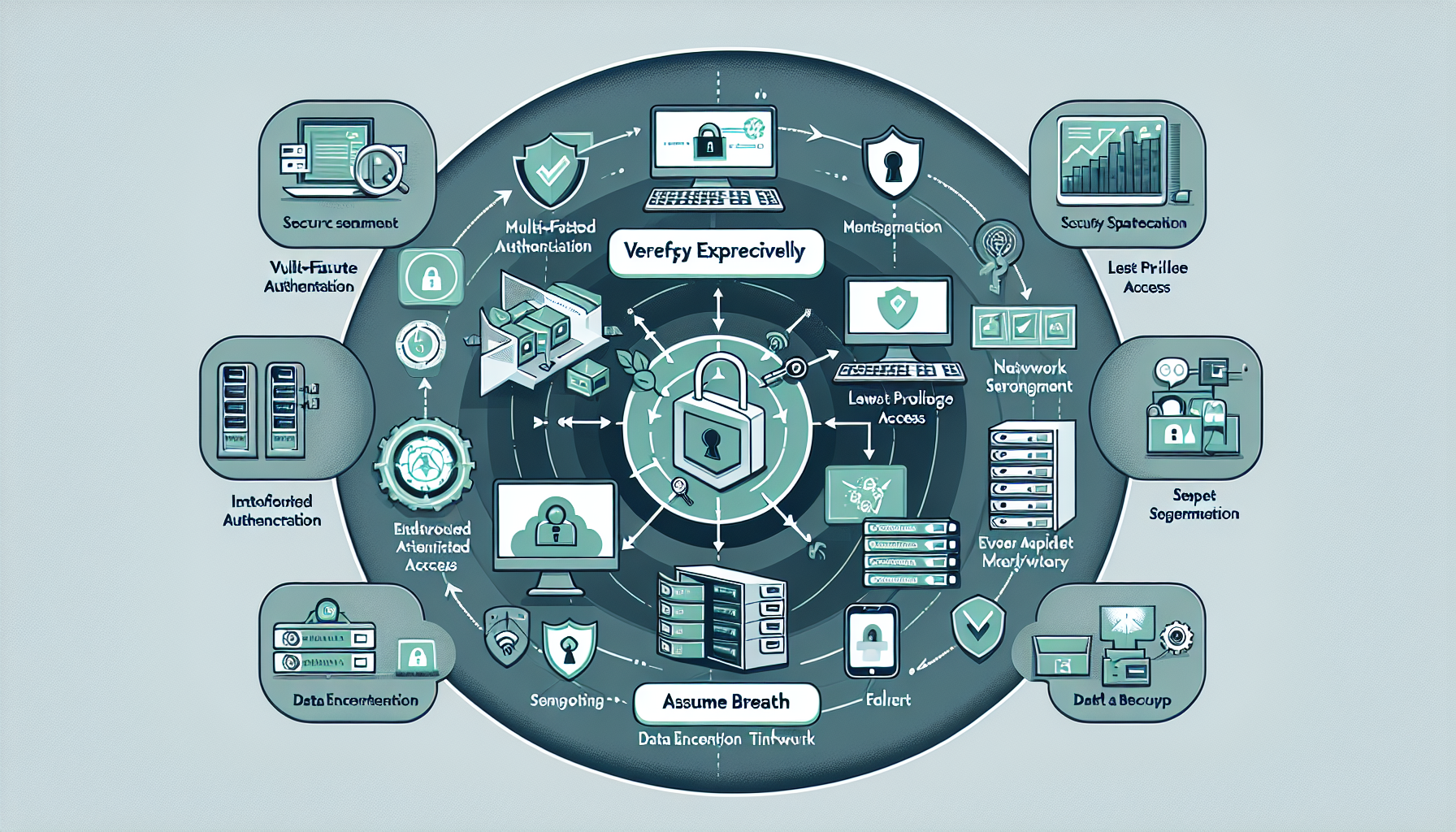
How do I implement a zero-trust security model in IT infrastructure?

Implementing a zero-trust security model in your IT infrastructure is a critical step in ensuring robust protection against modern cybersecurity threats. Below is a step-by-step guide on how to achieve this in an environment that includes datacenters, storage, servers, virtualization, Windows, Linux, Kubernetes, and AI workloads: 1. Understand Zero-Trust Principles Zero-trust operates on the principle […]

How do I secure IT infrastructure for international operations?

Securing IT infrastructure across borders means juggling compliance, geopolitical risk, and a wider threat surface. Here’s how to approach it. 1. Understand Local Regulations and Compliance Requirements Data Sovereignty: Store and process data per local law — GDPR in Europe, CCPA in California, PDPA in Singapore, and so on. Cross-Border Data Transfers: Use Standard Contractual […]

Scroll to top