DevOps

How do I use Helm to manage application deployments in Kubernetes?

Mastering Application Deployments in Kubernetes with Helm: A Step-by-Step Guide from Real-World Experience Helm has become the de facto package manager for Kubernetes, enabling teams to deploy, upgrade, and manage complex applications with ease. In my experience managing enterprise-scale Kubernetes clusters, Helm has saved countless hours by standardizing deployments, handling configuration overrides, and enabling quick […]

What are the best practices for managing Kubernetes secrets?

Kubernetes secrets hold your most sensitive data — passwords, API keys, certificates. Here’s how to handle them properly. 1. Use Kubernetes Secrets objects Store sensitive information in Secret objects, not in ConfigMaps, environment variables, or container images. Secrets are base64-encoded, not encrypted. Treat them as plaintext until you enable encryption at rest. 2. Enable encryption […]

How do I implement IT infrastructure for DevOps pipelines?

Building IT infrastructure for DevOps pipelines means creating a scalable, reliable environment that supports continuous integration, continuous delivery, and automated workflows. Here’s how to approach it: 1. Assess Requirements Identify the specific requirements of the applications and services the pipeline will support. Select tools for source control, CI/CD, build automation, artifact management, and monitoring (Git, […]

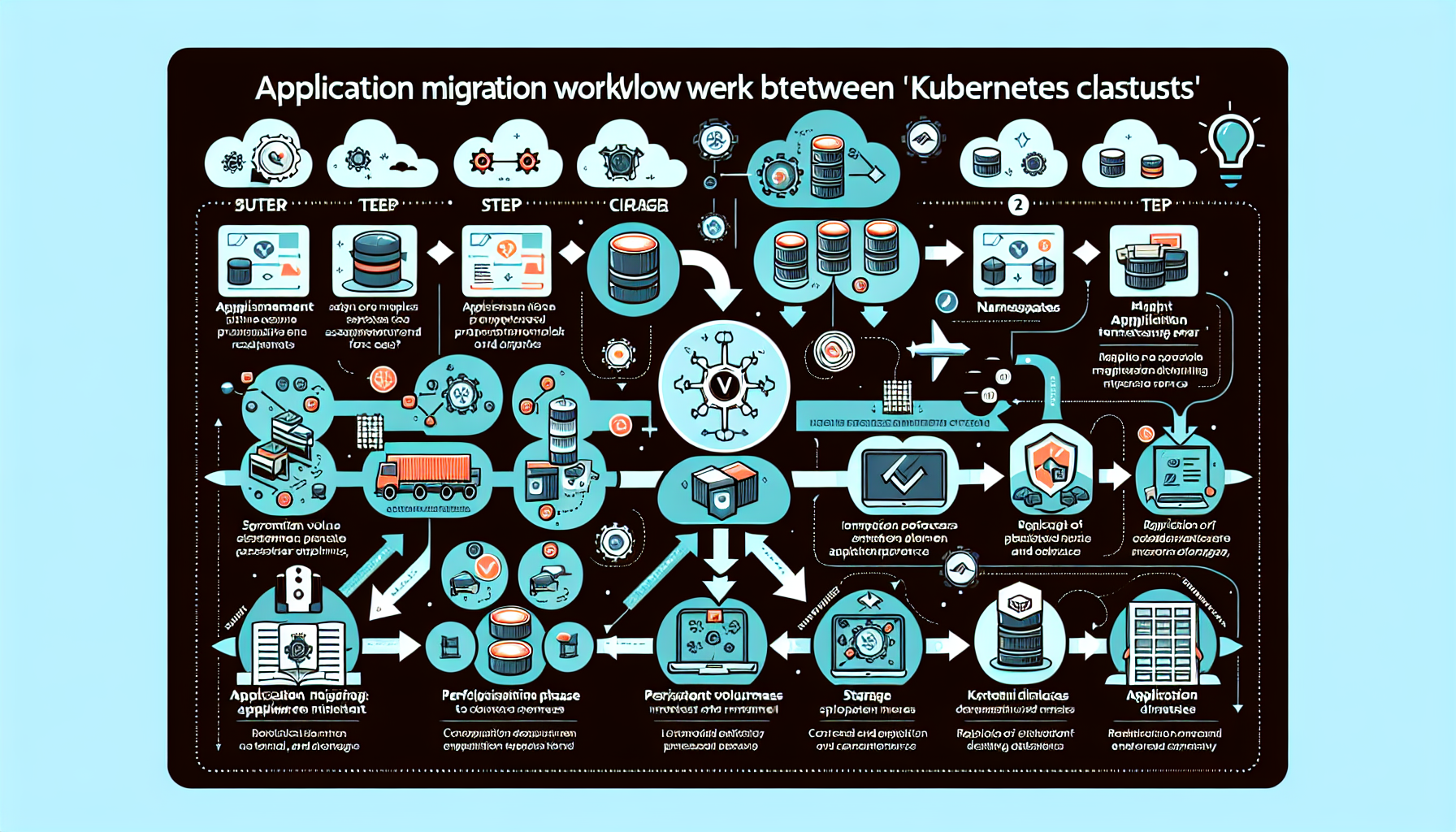
How do I migrate applications from one Kubernetes cluster to another?

Migrating applications from one Kubernetes cluster to another can be a complex process that requires careful planning and execution to avoid downtime and data loss. Here’s a step-by-step guide to help you manage the migration effectively: 1. Assess the Source and Target Cluster Source Cluster: Evaluate the current state of the source cluster. Note Kubernetes […]

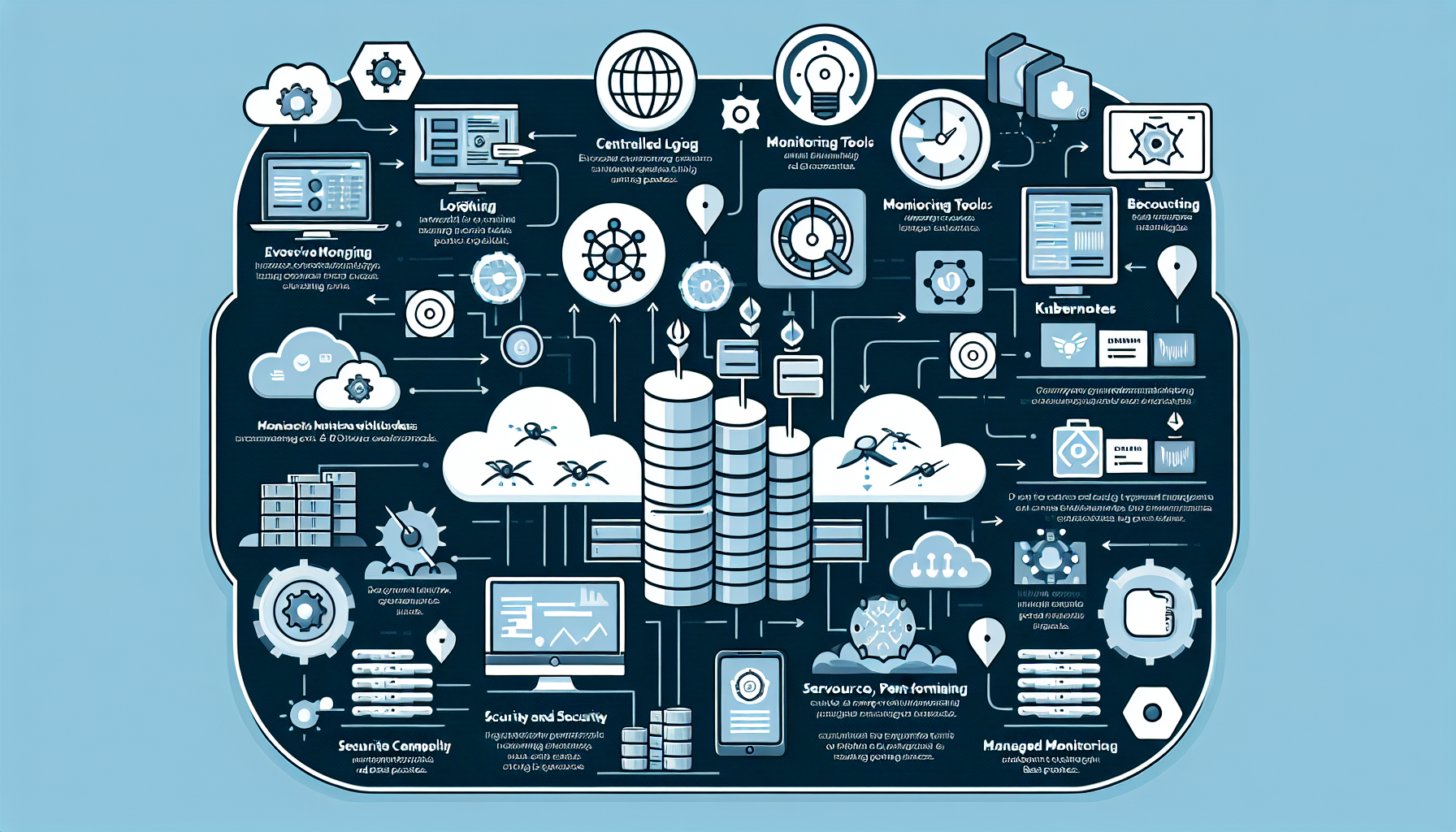
How do I monitor and log Kubernetes workloads effectively?

Monitoring and logging Kubernetes workloads effectively is crucial for ensuring the availability, performance, and security of your applications. 1. Set Up a Centralized Logging Solution Kubernetes workloads generate logs from applications, containers, and the control plane. Centralizing these logs is critical for efficient management and troubleshooting. ELK Stack (Elasticsearch, Logstash, Kibana): log aggregation, indexing, and […]

Scroll to top