network configuration

How do I configure dynamic routing protocols like OSPF or BGP in IT infrastructure?

Configuring OSPF (Open Shortest Path First) or BGP (Border Gateway Protocol) correctly keeps traffic moving efficiently across your network. The steps below assume Cisco IOS; adapt syntax for other platforms. Configuring OSPF (Open Shortest Path First) OSPF runs inside a single Autonomous System (AS). It builds a link-state database and calculates shortest paths using cost […]

How do I troubleshoot frequent NIC (Network Interface Card) failures in servers?

Troubleshooting frequent NIC (Network Interface Card) failures in servers is critical to maintaining a reliable IT infrastructure. Below are steps you can follow to identify and resolve the issue: 1. Gather Information Document the Issue: Note the frequency, nature, and patterns of NIC failures (e.g., specific times, workloads, or environmental conditions). Check Logs: Review system […]

How do I configure IT infrastructure for VoIP systems?

Configuring IT infrastructure for Voice over IP (VoIP) takes planning to get voice quality, reliability, and security right. Here’s a practical step-by-step guide for datacenter, server, virtualization, and network teams. 1. Assess Requirements Capacity Planning: Estimate concurrent calls, expected volume, and growth headroom. Bandwidth: Plan for roughly 80–100 Kbps per call with overhead (G.711 ~87 […]

How do I configure QoS (Quality of Service) for critical applications?

Configuring Quality of Service (QoS) for critical applications ensures your network prioritizes their traffic, reducing latency, jitter, and packet loss. Here’s a step-by-step guide. 1. Identify Critical Applications and Their Traffic Requirements List the applications that need prioritization (VoIP, video conferencing, database replication, etc.). Identify the traffic type each generates: TCP or UDP, port numbers, […]

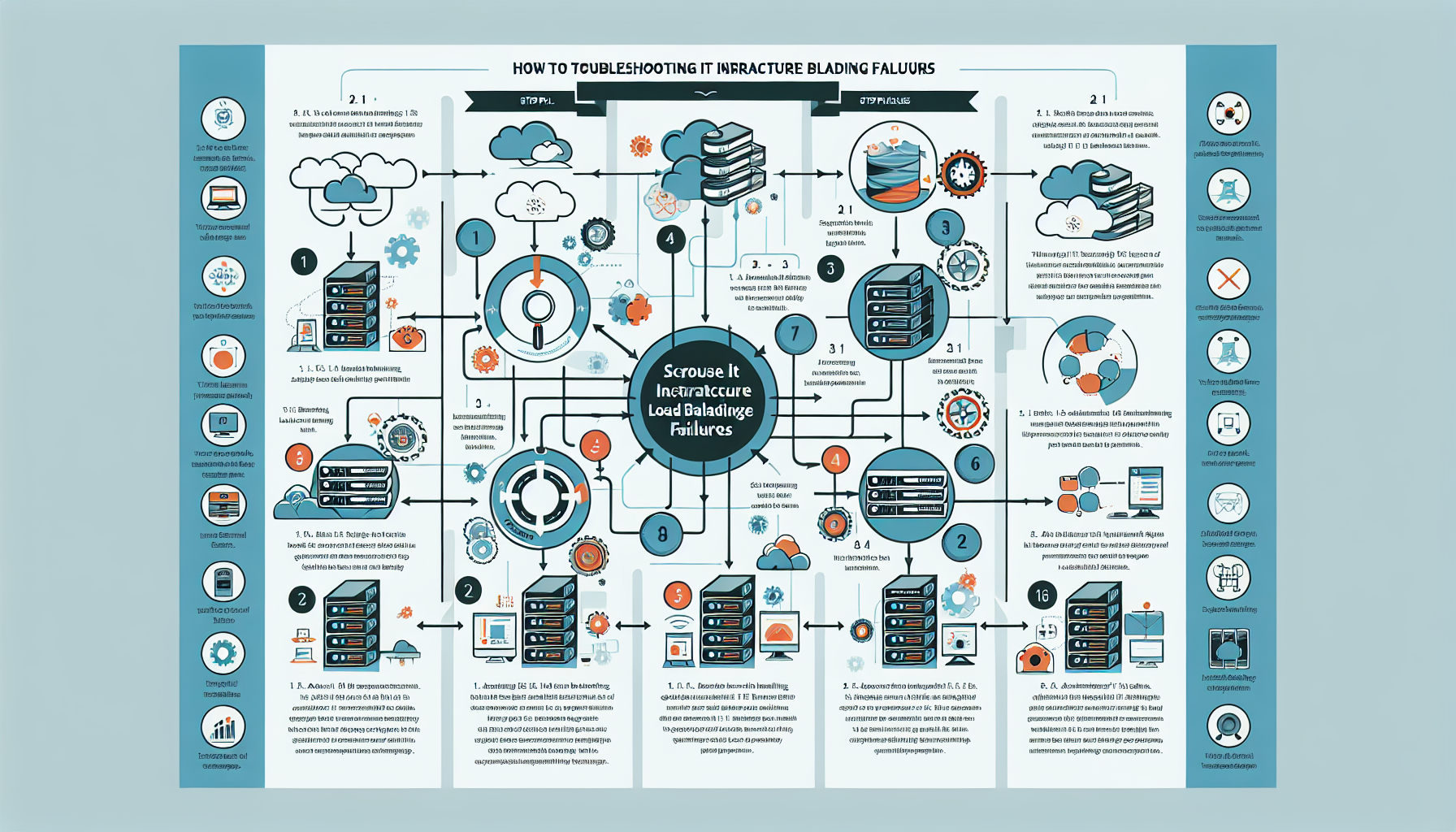
How do I troubleshoot IT infrastructure load balancing failures?

Troubleshooting load balancing failures in an IT infrastructure requires a structured, methodical approach to identify and resolve the issue effectively. Here’s a step-by-step guide you can follow: 1. Verify the Scope of the Problem Identify affected services and users: Determine if the issue is localized to a specific application, service, or user group or if […]

How do I troubleshoot VLAN misconfigurations?

VLAN misconfigurations break connectivity in predictable ways. Start with the symptoms, then work through the layers: switch ports, trunk links, routing, spanning tree, and end devices. 1. Identify the Symptoms Devices in the same VLAN can’t talk to each other. Devices can’t reach other VLANs (inter-VLAN routing failure). Specific users or services report connectivity loss. […]

Scroll to top