sysarticles

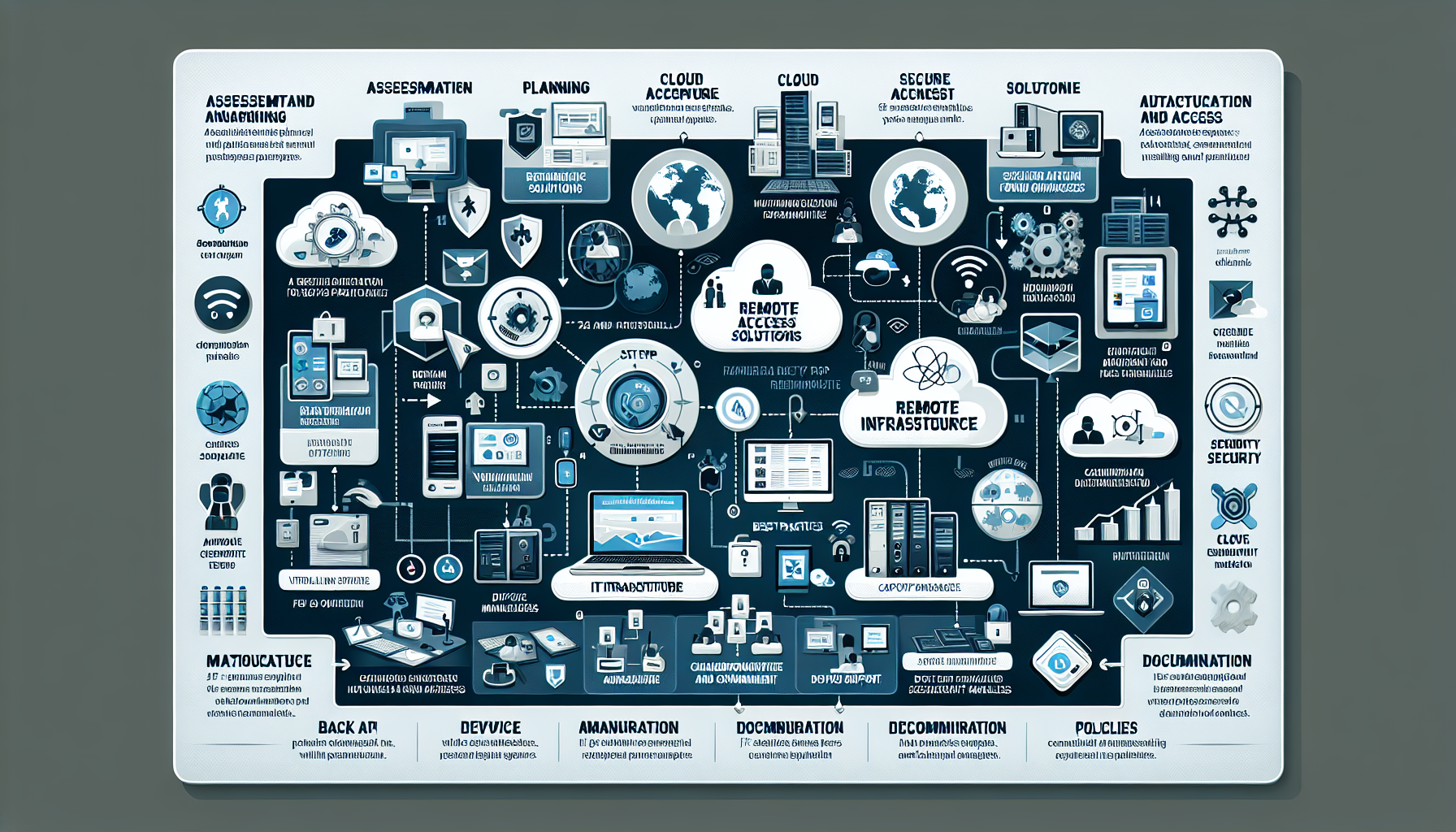
How do I configure IT infrastructure for remote workforces?

Configuring IT infrastructure for a remote workforce requires planning, security, and a usable experience to keep people productive. Here’s how to set it up: 1. Assessment and Planning Business needs: List the applications, storage, collaboration tools, and on-premises resources your remote teams need. Existing infrastructure: Review what you have and whether it scales to support […]
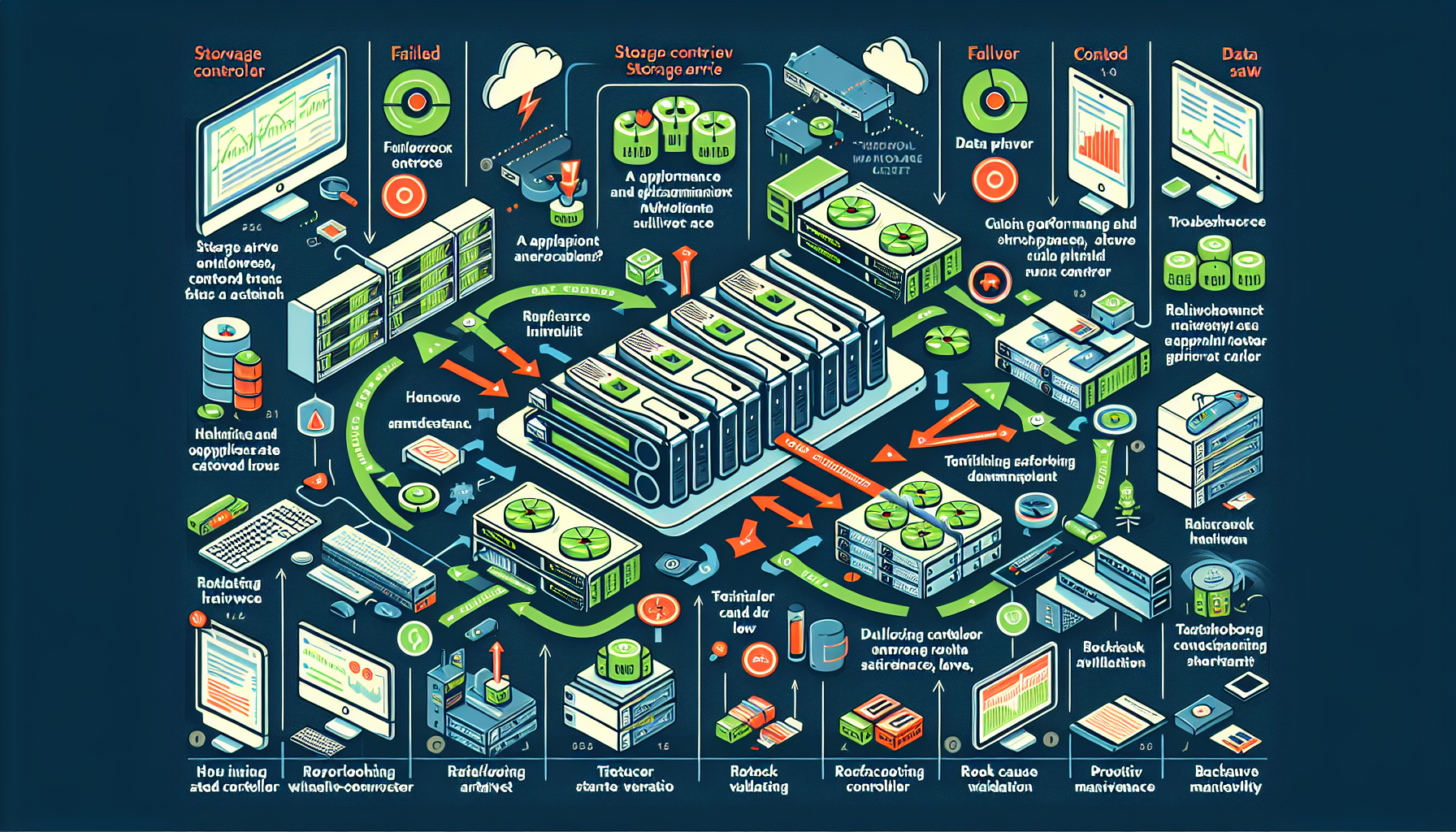
How do I handle storage array controller failures?

When a storage array controller fails, you need a clear sequence: identify, assess, communicate, fail over, diagnose, replace, validate, and document. Here’s the practical workflow. 1. Identify the Problem Check your storage management software or monitoring tools for alerts indicating a controller failure. Use the array management interface (GUI or CLI) to verify the failed […]

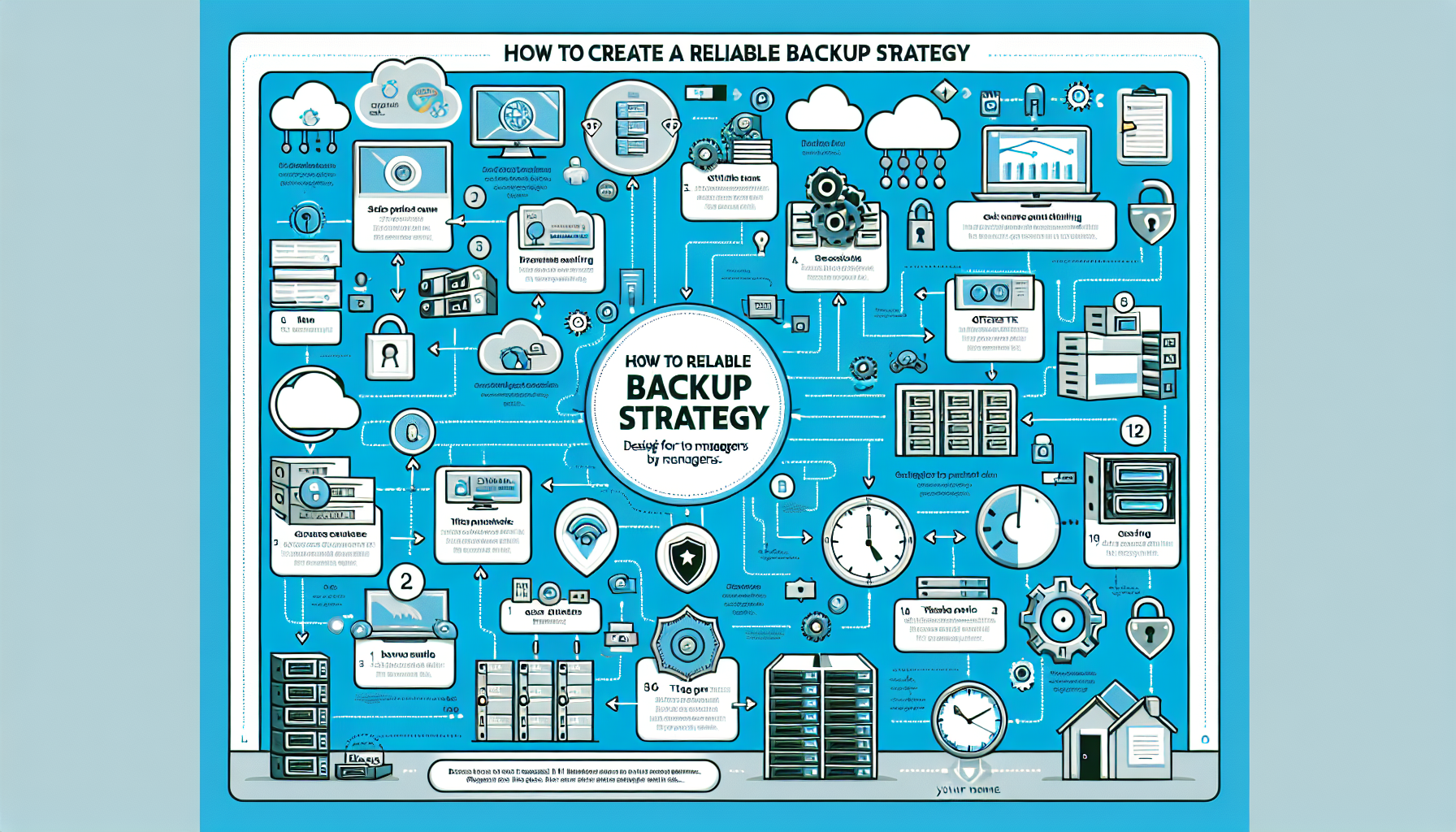
How do I create a reliable backup strategy?

A reliable backup strategy protects data integrity, availability, and disaster recovery. If you manage datacenters, storage, or infrastructure, here’s how to design one: 1. Define Objectives and Requirements Identify Critical Data: Determine which systems, applications, and data are mission-critical and need to be backed up. Recovery Time Objective (RTO): How quickly you need the data […]

How do I prevent GPU overheating in data-intensive tasks?

1. Optimize Data Center Cooling Arrange servers and racks for efficient airflow. Use hot-aisle/cold-aisle containment to separate hot and cold air streams. Monitor temperature and humidity continuously with environmental sensors. For high-density GPU racks, evaluate liquid cooling or upgraded HVAC. 2. Monitor GPU Temperatures Use nvidia-smi, AMD Radeon Software, or Prometheus/Grafana for telemetry. Set alerts […]

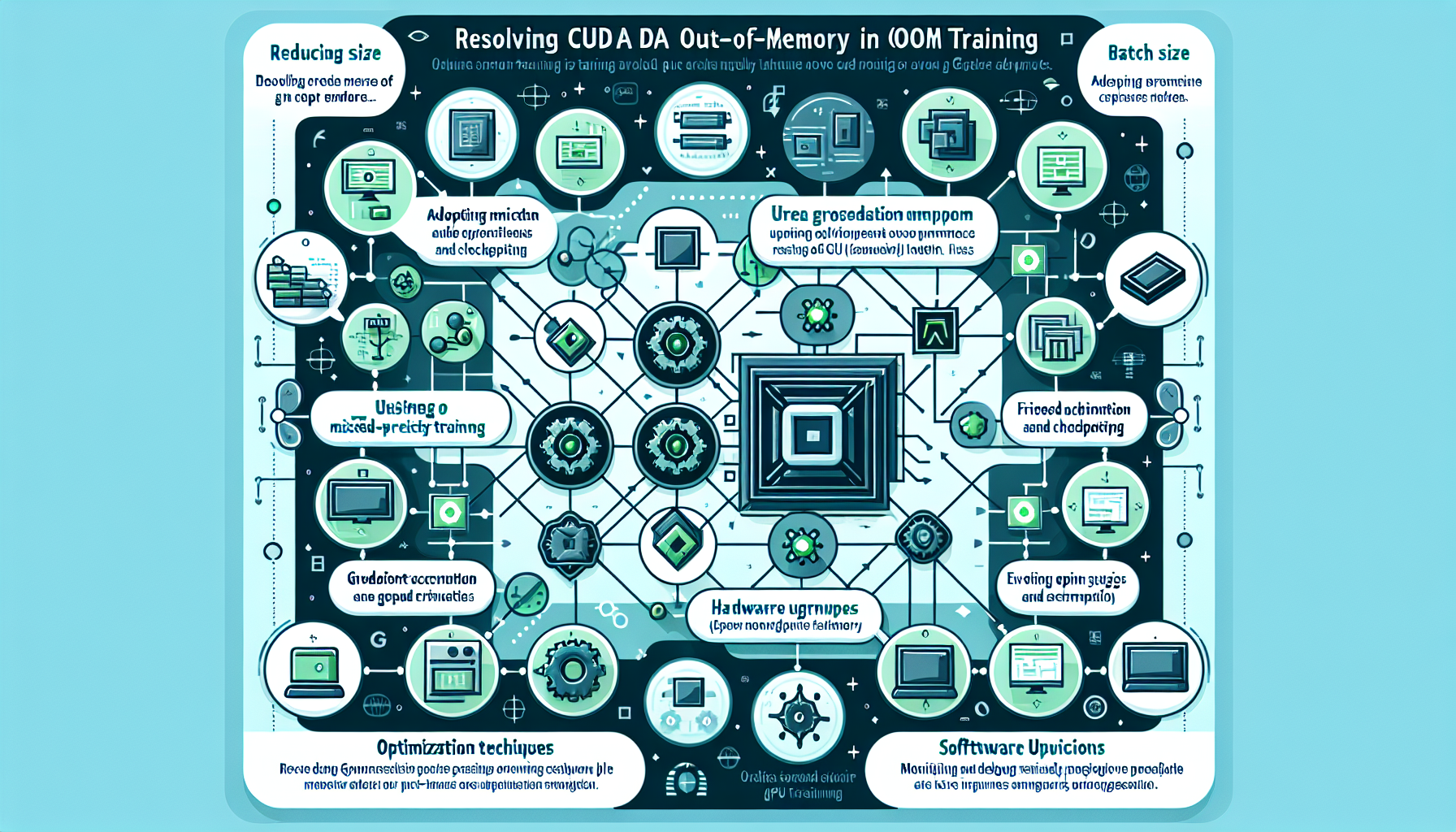
How do I resolve CUDA out-of-memory (OOM) errors during AI training?

Resolving CUDA Out-Of-Memory (OOM) errors during AI model training requires a combination of optimization techniques, hardware considerations, and software adjustments. Here are some practical steps to address this issue: 1. Reduce Batch Size Why: Batch size directly affects how much data is loaded into GPU memory at a time. Larger batches consume more memory. Solution: […]

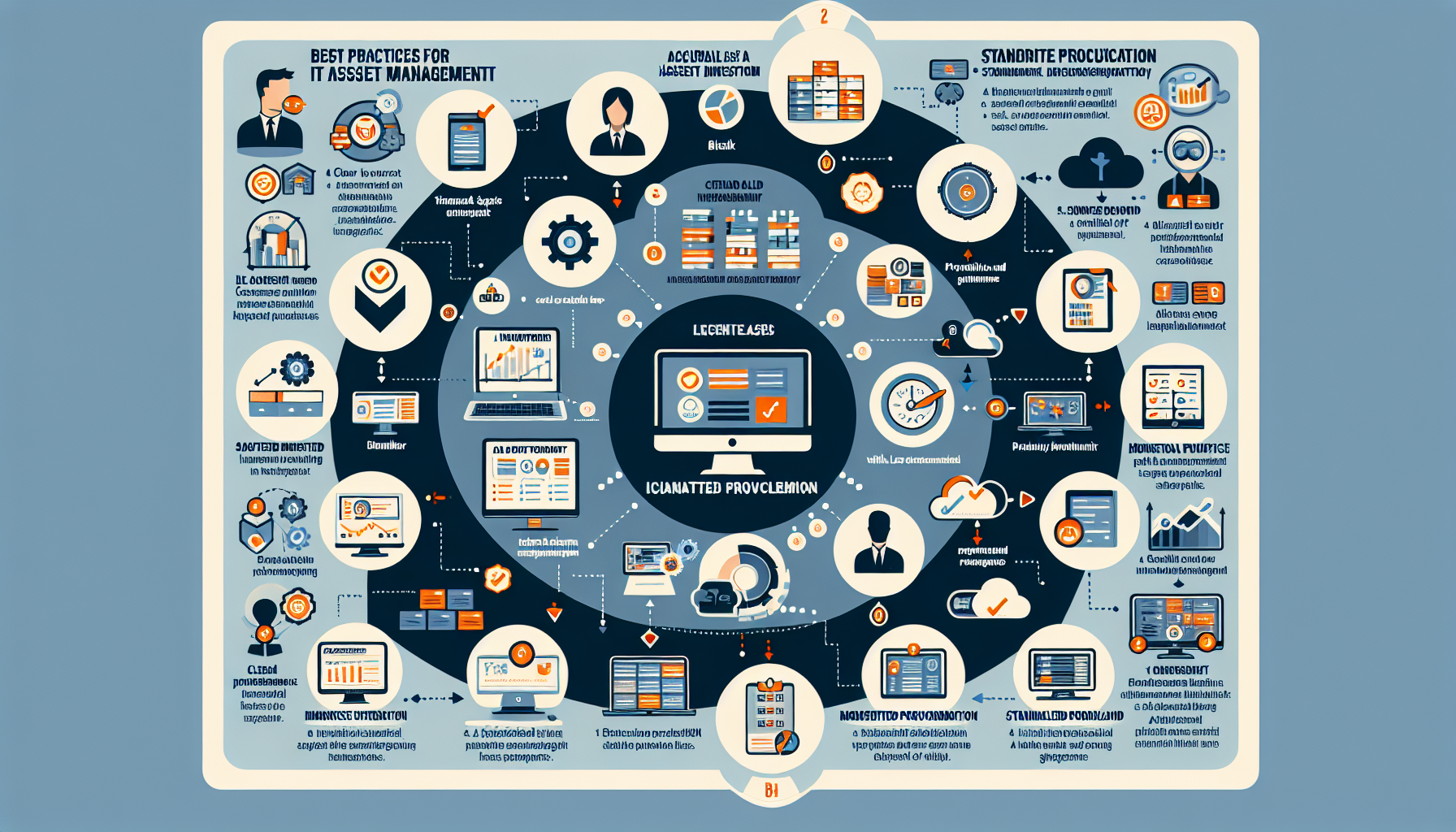
What are the best practices for IT asset management?

Effective IT asset management (ITAM) keeps your infrastructure efficient, secure, and scalable. Here are the practices that work. 1. Implement a Centralized IT Asset Management System Use an ITAM platform to consolidate all asset data in one place. ServiceNow, SolarWinds, Freshservice, or open-source options like Snipe-IT all work. Integrate with your CMDB, ticketing system, and […]

Scroll to top