sysarticles

How do I configure IT infrastructure for real-time fraud detection systems?

Configuring IT infrastructure for real-time fraud detection systems demands careful planning to ensure performance, scalability, reliability, and security. These systems rely on advanced analytics, machine learning, and real-time data processing. Here’s a practical guide to building that infrastructure: 1. Define Requirements Fraud detection scope: Determine the fraud types (financial, e-commerce, identity theft) and evaluate data […]
How do I configure jumbo frames on a server and validate performance improvement?

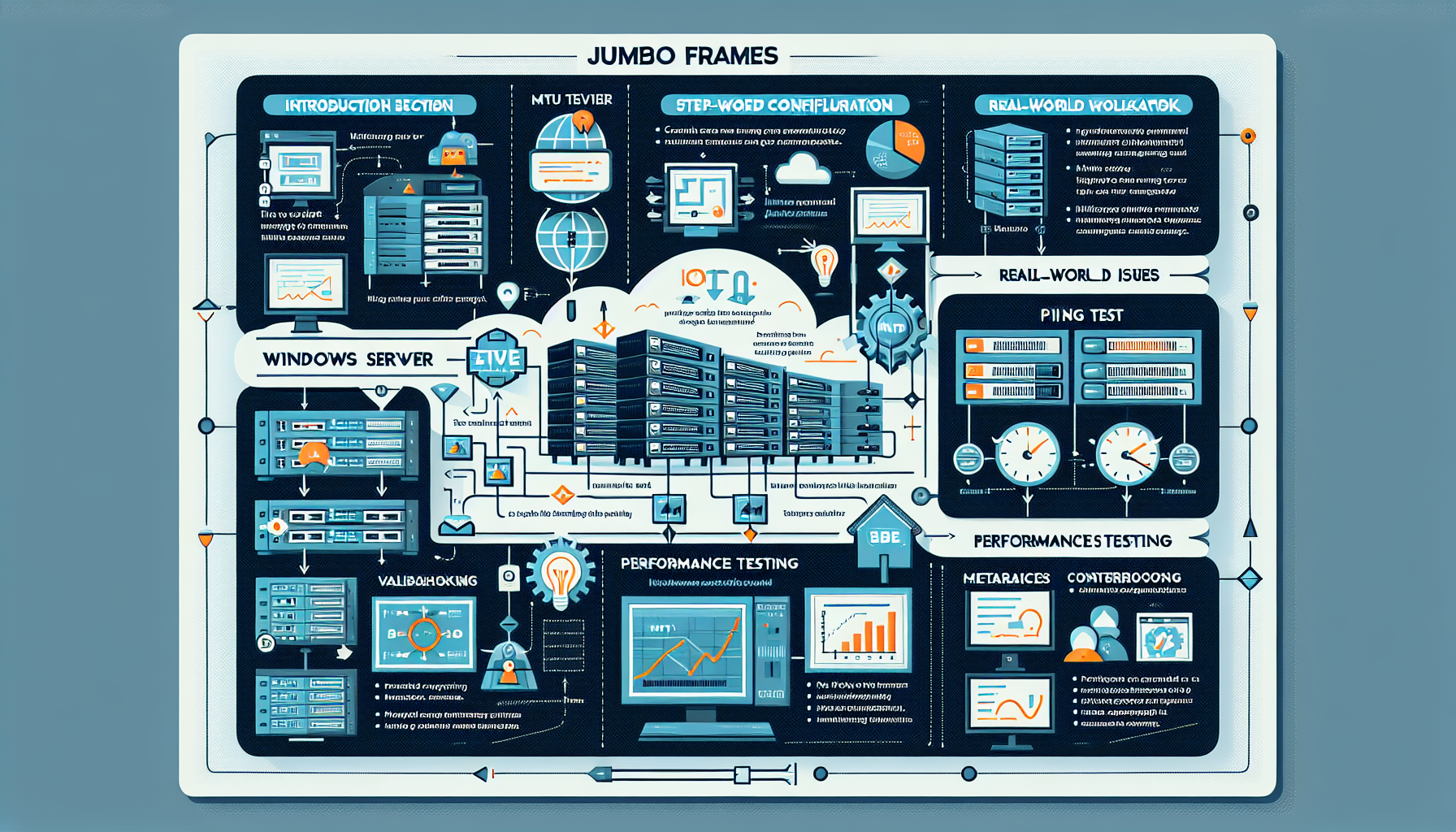
Configuring jumbo frames on a server involves enabling and optimizing larger Ethernet frame sizes (typically 9000 bytes) to improve network performance, especially in environments with high data throughput such as storage networks, virtualization, and AI workloads. Below are the steps to configure jumbo frames and validate the performance improvement: 1. Understand the Environment Check compatibility: […]

How do I configure secure FTP servers for file transfers?

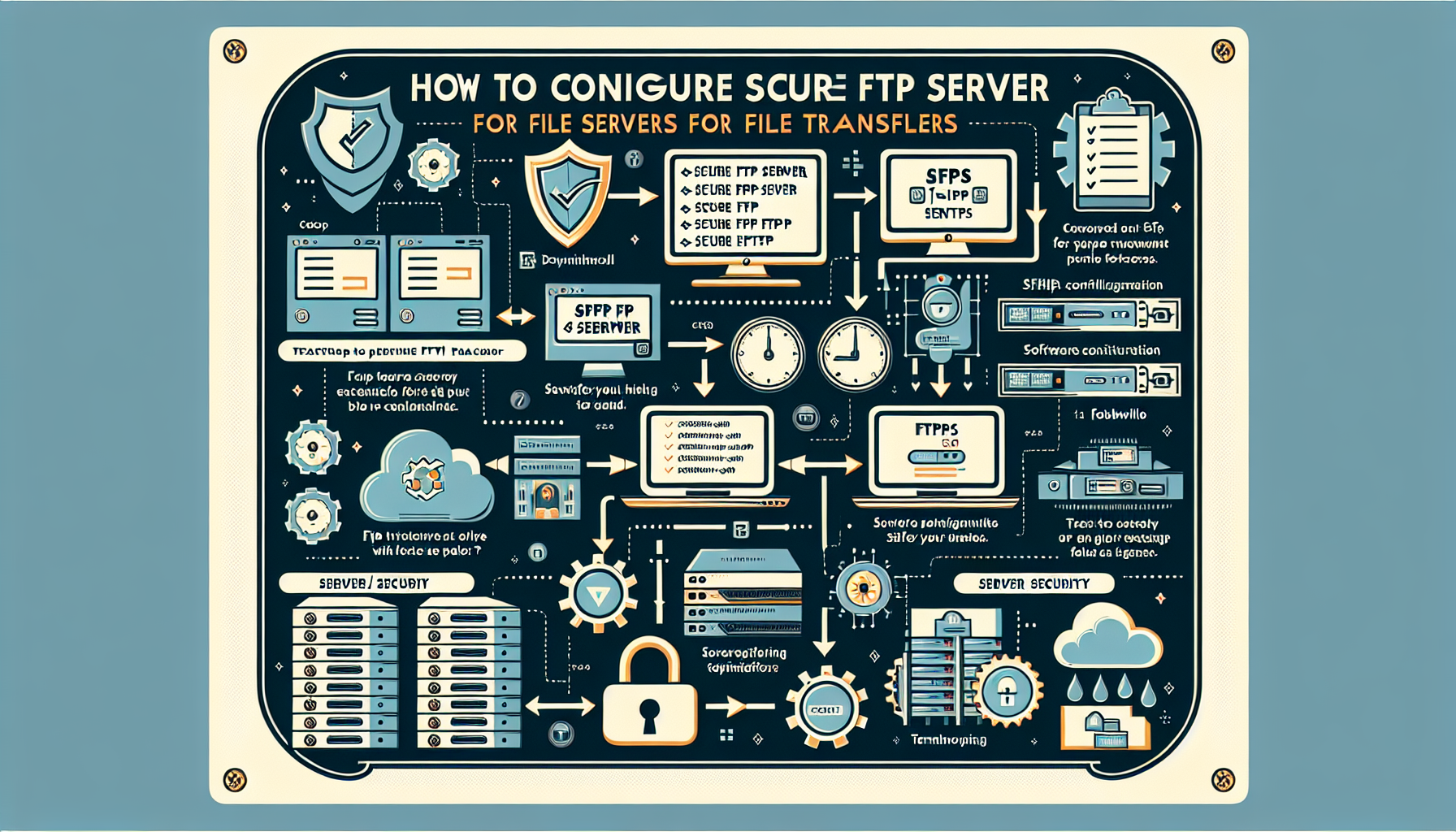
Configuring a secure FTP (SFTP or FTPS) server is essential for secure file transfers. Below is a step-by-step guide to setting up a secure FTP server, considering best practices for security: 1. Choose the Type of Secure FTP Server SFTP: Uses SSH (Secure Shell) for encryption. No additional ports are needed, as it runs on […]

How do I implement storage snapshots for data protection?

A storage snapshot is a point-in-time copy of your data, typically implemented at the storage array or file system level. Snapshots track changes to original data blocks rather than copying everything, making them space-efficient and fast to create. 1. Assess Your Infrastructure Verify your storage array or file system supports snapshots. Check vendor documentation (NetApp, […]

How do I troubleshoot IT infrastructure load balancing failures?

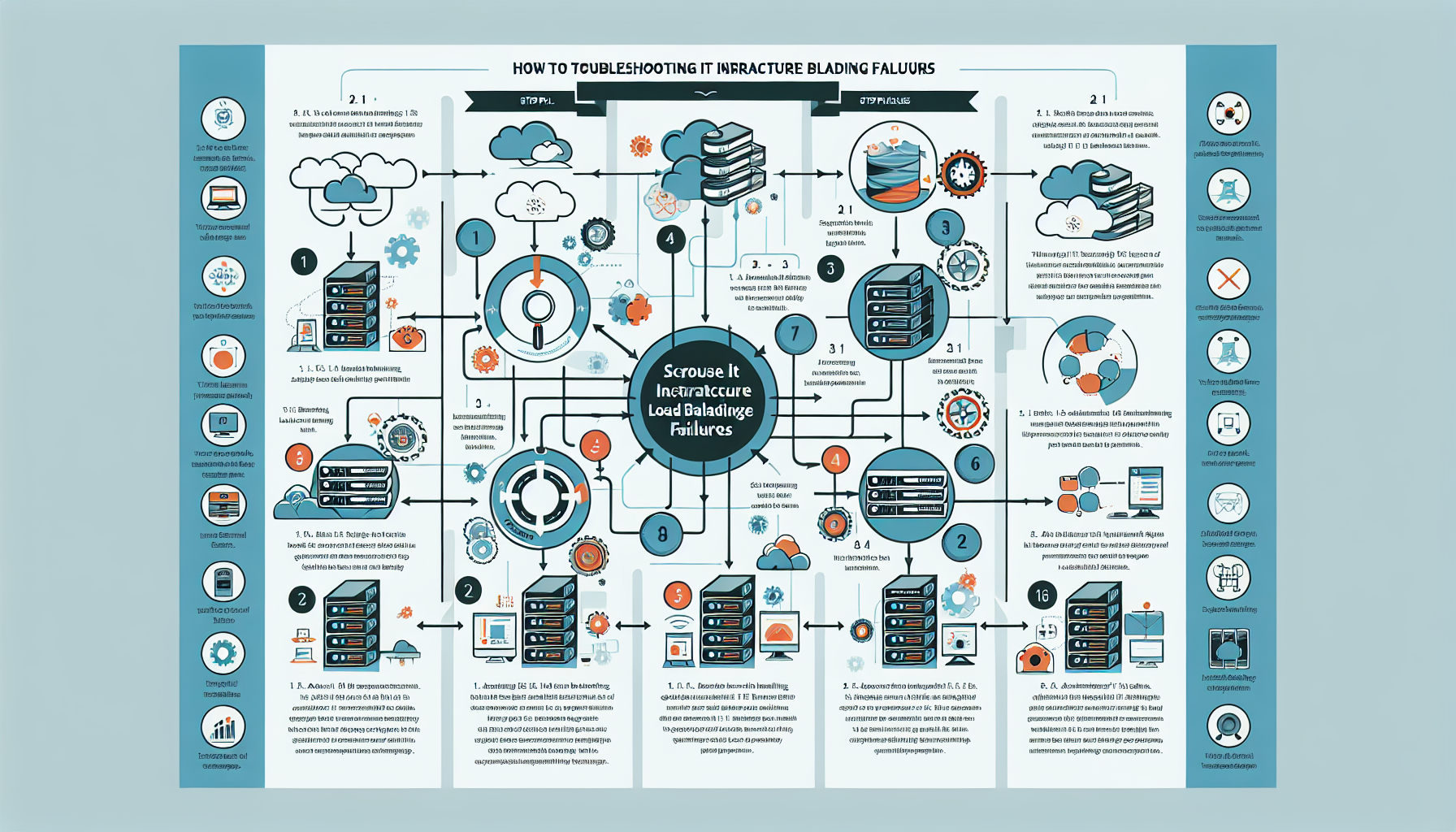
Troubleshooting load balancing failures in an IT infrastructure requires a structured, methodical approach to identify and resolve the issue effectively. Here’s a step-by-step guide you can follow: 1. Verify the Scope of the Problem Identify affected services and users: Determine if the issue is localized to a specific application, service, or user group or if […]

How do I manage multi-GPU setups for deep learning?

Multi-GPU deep learning works when the hardware, software stack, and training strategy line up. Miss one and you’ll waste cycles debugging throughput instead of training models. 1. Choose the Right Hardware GPU Selection: Pick GPUs built for deep learning: NVIDIA A100, RTX 4090, or RTX 3090/3080. VRAM must fit your largest model plus activations and […]

Scroll to top