Kubernetes

How do I configure IT infrastructure for cloud-native applications?

Configuring IT infrastructure for cloud-native applications requires careful planning and implementation of modern technologies that enable scalability, flexibility, and high availability. Here are the steps you can follow to set up your IT infrastructure: 1. Assess Requirements Understand Application Needs: Identify the resource requirements (CPU, memory, GPU, storage, etc.), containerization preferences, networking needs, and dependencies. […]
How do I manage persistent storage in Kubernetes?

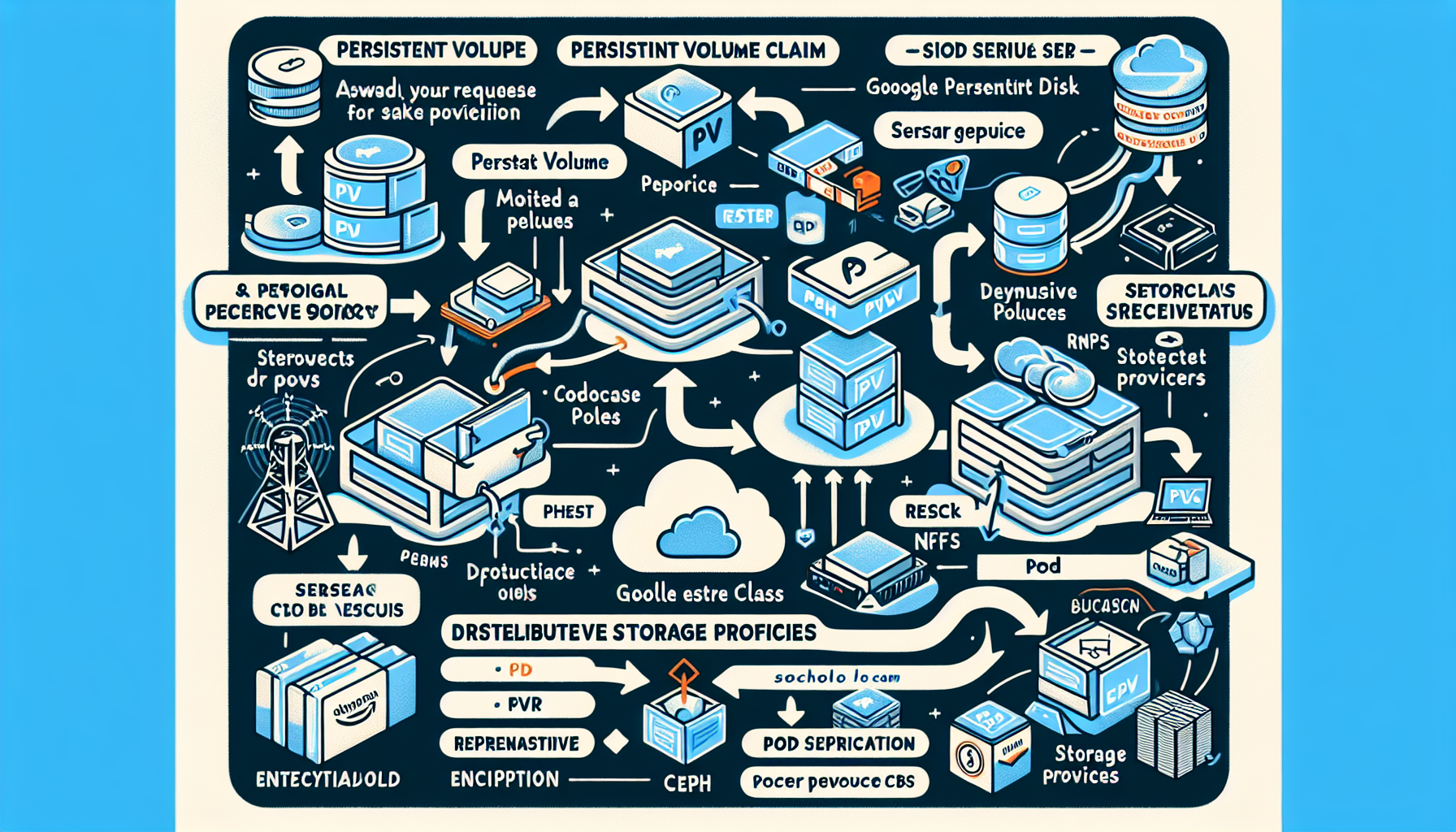
Managing persistent storage in Kubernetes takes a few moving parts. Here’s how the pieces fit together. 1. Understand Kubernetes Storage Concepts Kubernetes abstracts storage through three main objects: PersistentVolume (PV): A piece of storage in the cluster — local disk, NFS, iSCSI, cloud block volume, etc. PersistentVolumeClaim (PVC): A pod’s request for storage. PVCs bind […]

How do I configure IT infrastructure for real-time collaboration tools?

Real-time collaboration tools — Microsoft Teams, Zoom, Slack, Google Workspace — run mostly in the vendor’s cloud. Your infrastructure job is network, identity, endpoint, and (if you self-host any components) the supporting servers and storage. Here’s the practical breakdown. 1. Assess Requirements Collaboration tools: List what you’re running (Teams, Zoom, Slack, Google Workspace, or self-hosted […]

What are the best practices for IT asset management?

Effective IT asset management (ITAM) keeps your infrastructure efficient, secure, and scalable. Here are the practices that work. 1. Implement a Centralized IT Asset Management System Use an ITAM platform to consolidate all asset data in one place. ServiceNow, SolarWinds, Freshservice, or open-source options like Snipe-IT all work. Integrate with your CMDB, ticketing system, and […]

How do I implement custom metrics in Kubernetes Horizontal Pod Autoscaler (HPA)?

Custom metrics let you scale Kubernetes workloads on signals that matter to your application, not just CPU or memory. Here’s how to wire them into the Horizontal Pod Autoscaler. 1. Understand HPA and Custom Metrics HPA pulls metrics from the Kubernetes Metrics API. For custom metrics, you need a component that serves those metrics to […]

How do I configure Kubernetes taints and tolerations for node scheduling?

Taints and tolerations let you control which pods can schedule on specific nodes in your cluster. Here’s how to configure them. 1. Understand Taints and Tolerations Taints are applied to nodes to mark them as unschedulable for certain pods. Tolerations are applied to pods to allow them to “tolerate” those taints and be scheduled on […]

Scroll to top