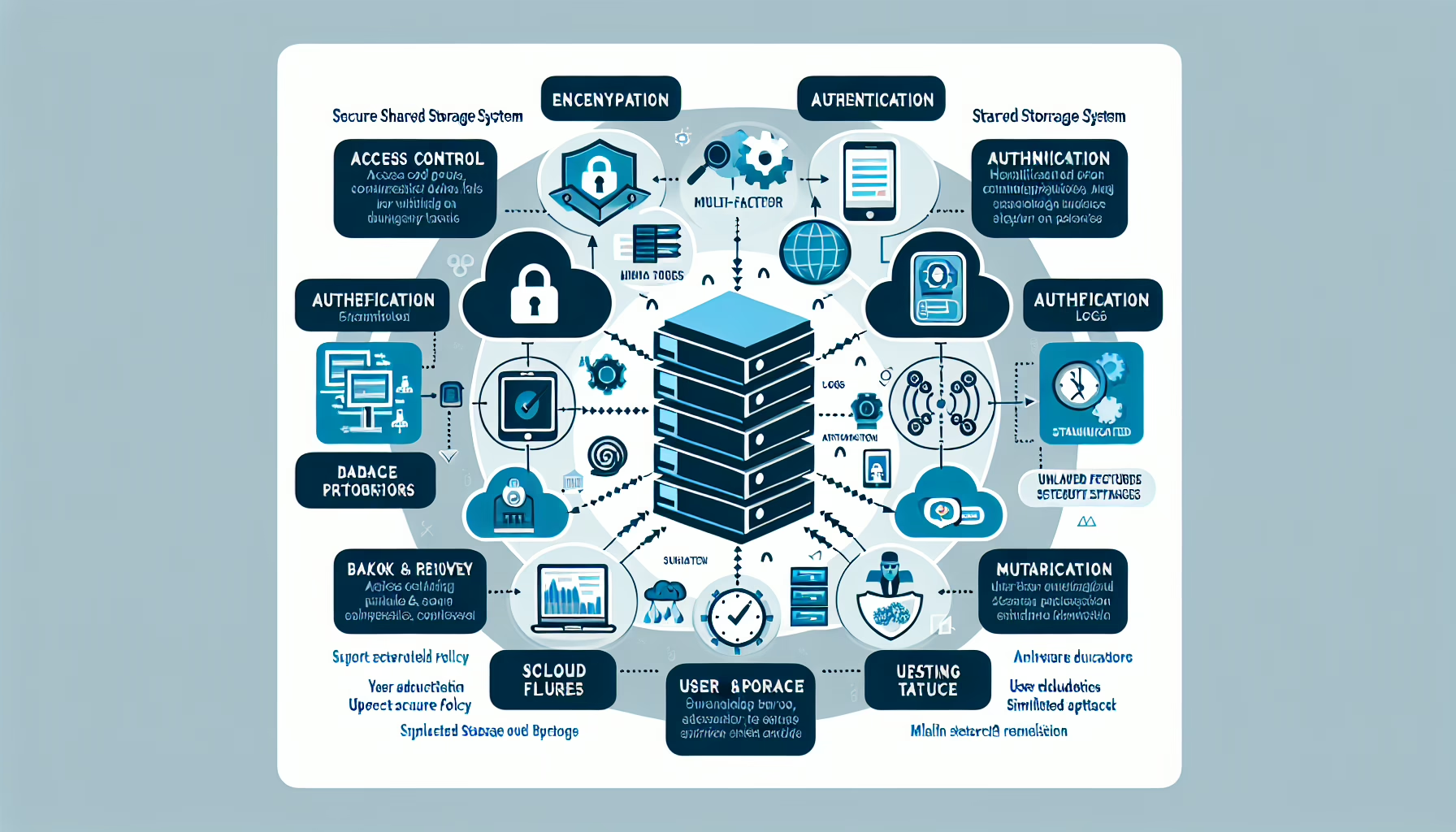
1. Secure the Biometric Data
- Encrypt biometric data at rest (AES-256) and in transit (TLS 1.2/1.3).
- Store biometric data separately from other datasets with tightly controlled access.
- Enforce least-privilege access so only authorized systems, applications, and personnel reach the biometric database.
- Anonymize biometric data where possible to avoid direct linkage to individuals.
2. Harden Servers and Storage Systems
- Patch servers, storage systems, and software regularly to eliminate vulnerabilities.
- Restrict access with firewalls; allow only necessary services and protocols inbound and outbound.
- Use storage with built-in encryption and RAID for redundancy.
- Enable detailed logging on storage systems and forward logs to a SIEM for real-time alerting.
3. Implement Network Security
- Isolate biometric authentication systems from other network segments to reduce attack surface.
- Require VPNs or private networks for remote access to biometric systems.
- Deploy IDS/IPS to detect and block malicious traffic targeting biometric systems.
4. Virtualization and Kubernetes Security
- Enable hypervisor-level security: Secure Boot, VM encryption, disk isolation.
- Secure Kubernetes clusters by:
- Implementing RBAC.
- Using network policies to restrict pod communication.
- Managing secrets with tools like HashiCorp Vault.
- Scanning container images for vulnerabilities on a schedule.
- Run biometric applications in isolated containers or VMs, separate from other workloads.
5. Secure Backup and Disaster Recovery
- Encrypt all backups of biometric data and store them in a secure, isolated environment.
- Test backup and recovery procedures frequently to verify data integrity and availability.
- Maintain offline or air-gapped backups to protect against ransomware and breaches.
6. GPU and AI Infrastructure Security
- Keep GPU drivers and firmware current; monitor for unusual activity.
- Store and deploy AI models used for biometric recognition securely; protect training data from tampering.
- Isolate AI inference systems from other workloads and monitor for suspicious behavior.
7. Endpoint and Application Security
- Secure endpoint biometric devices (fingerprint scanners, facial recognition cameras) with firmware updates, physical access controls, and health monitoring.
- Conduct security code reviews for biometric applications.
- If biometric authentication runs on mobile devices, enforce policies via MDM.
8. Compliance and Legal Considerations
- Adhere to regulations governing biometric data (GDPR, CCPA, etc.).
- Define and enforce policies for collection, storage, and use of biometric data.
- Maintain detailed audit trails for compliance evidence and forensic investigations.
9. Continuous Monitoring and Incident Response
- Monitor biometric systems and data access patterns for anomalies.
- Develop and test an incident response plan specific to biometric systems.
- Run regular penetration tests and vulnerability assessments.
10. Employee Training and Awareness
- Train staff on secure handling of biometric data and the importance of protecting authentication systems.
- Educate users on phishing and social engineering attacks targeting biometric systems.

Ali YAZICI is a Senior IT Infrastructure Manager with 15+ years of enterprise experience. While a recognized expert in datacenter architecture, multi-cloud environments, storage, and advanced data protection and Commvault automation , his current focus is on next-generation datacenter technologies, including NVIDIA GPU architecture, high-performance server virtualization, and implementing AI-driven tools. He shares his practical, hands-on experience and combination of his personal field notes and “Expert-Driven AI.” he use AI tools as an assistant to structure drafts, which he then heavily edit, fact-check, and infuse with my own practical experience, original screenshots , and “in-the-trenches” insights that only a human expert can provide.
If you found this content valuable, [support this ad-free work with a coffee]. Connect with him on [LinkedIn].
Related Posts: