RBAC

How do I implement just-in-time (JIT) access for critical IT infrastructure systems?

Just-In-Time (JIT) access reduces the attack surface by granting privileged access only when needed, for a limited time. Here’s how to implement it for critical infrastructure. 1. Define Scope and Objectives Identify Critical Systems: Pinpoint the systems requiring JIT access (servers, storage, virtualization platforms, Kubernetes clusters, network devices). Define Use Cases: Determine scenarios where JIT […]
How do I integrate IT infrastructure with IAM (Identity and Access Management)?

Integrating your IT infrastructure with an Identity and Access Management (IAM) solution strengthens security, improves operational efficiency, and helps meet compliance requirements. Here’s a step-by-step approach: 1. Assess Your IT Infrastructure and IAM Requirements Inventory your infrastructure: document servers, storage systems, virtualization platforms, Kubernetes clusters, and cloud resources. Define access needs: identify which systems and […]

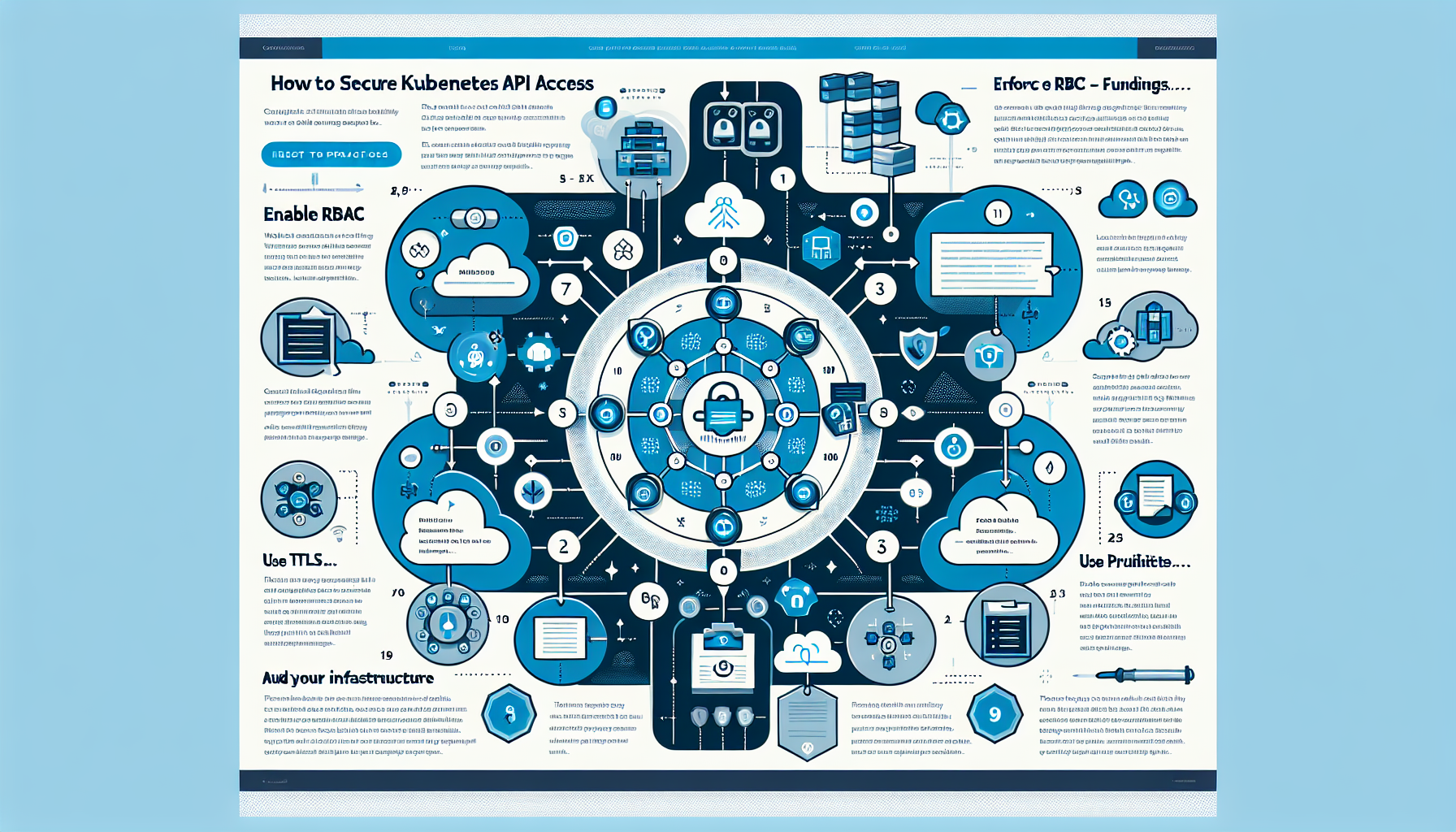
How do I secure Kubernetes API access?

1. Enable Role-Based Access Control (RBAC) RBAC lets you enforce granular access policies by defining roles and binding them to specific users or service accounts. Create roles and cluster roles with the principle of least privilege. Bind roles to users, groups, or service accounts using RoleBindings or ClusterRoleBindings. bash kubectl create rolebinding <name> –role=<role-name> –user=<user-name> […]

Scroll to top