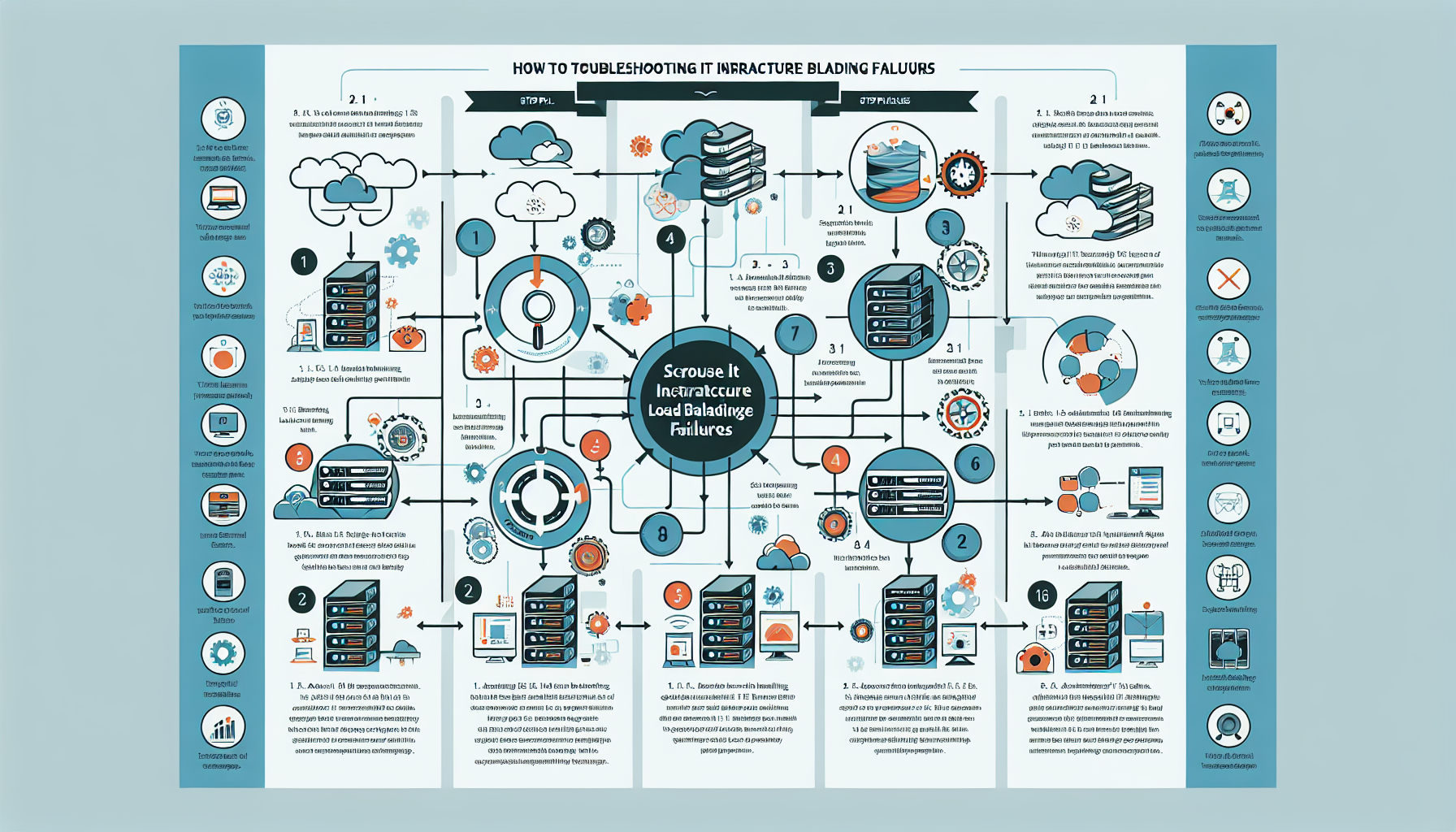
How do I troubleshoot IT infrastructure load balancing failures?

Troubleshooting load balancing failures in an IT infrastructure requires a structured, methodical approach to identify and resolve the issue effectively. Here’s a step-by-step guide you can follow: 1. Verify the Scope of the Problem Identify affected services and users: Determine if the issue is localized to a specific application, service, or user group or if […]
How do I manage multi-GPU setups for deep learning?

Multi-GPU deep learning works when the hardware, software stack, and training strategy line up. Miss one and you’ll waste cycles debugging throughput instead of training models. 1. Choose the Right Hardware GPU Selection: Pick GPUs built for deep learning: NVIDIA A100, RTX 4090, or RTX 3090/3080. VRAM must fit your largest model plus activations and […]

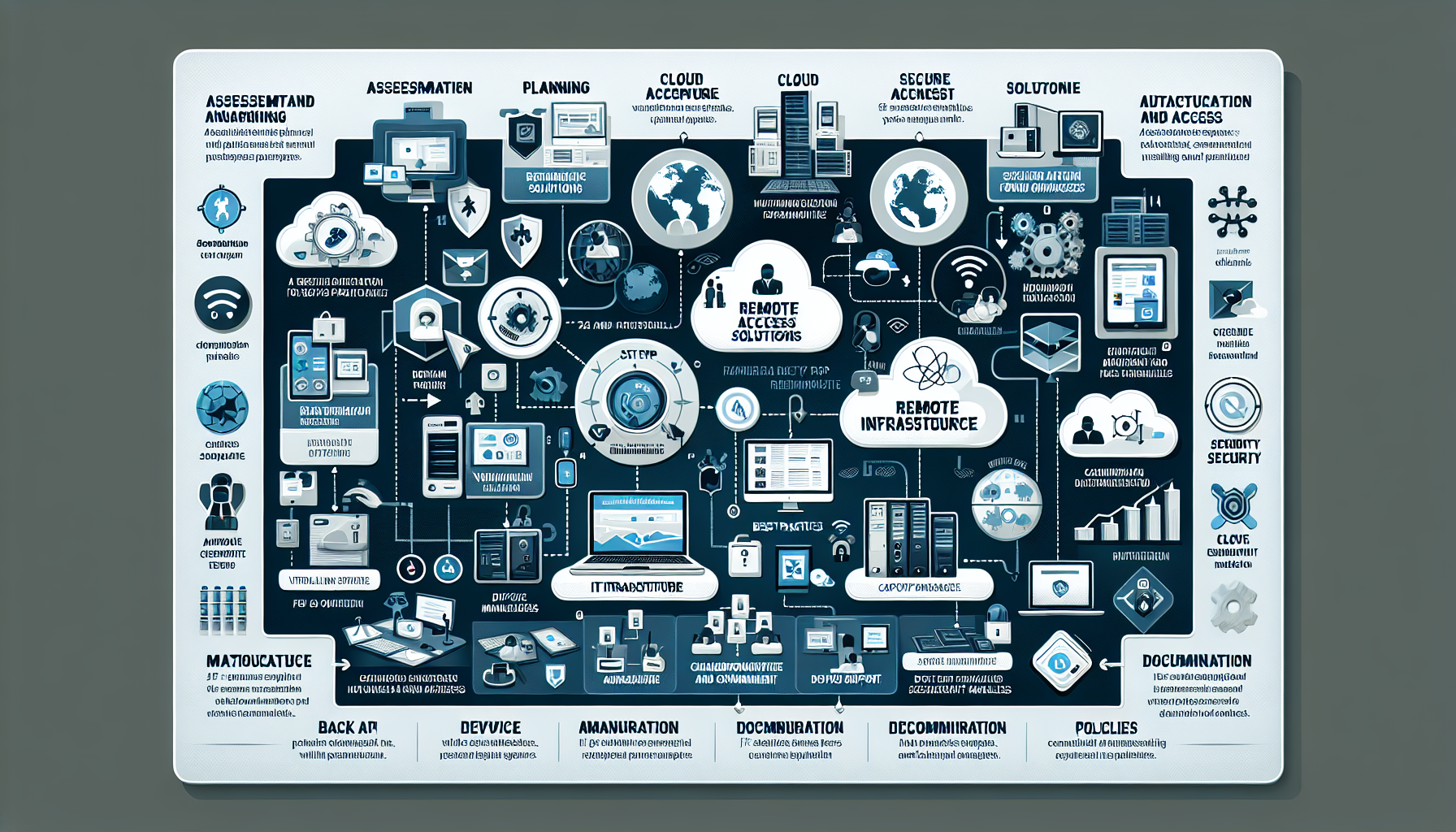
How do I configure IT infrastructure for remote workforces?

Configuring IT infrastructure for a remote workforce requires planning, security, and a usable experience to keep people productive. Here’s how to set it up: 1. Assessment and Planning Business needs: List the applications, storage, collaboration tools, and on-premises resources your remote teams need. Existing infrastructure: Review what you have and whether it scales to support […]

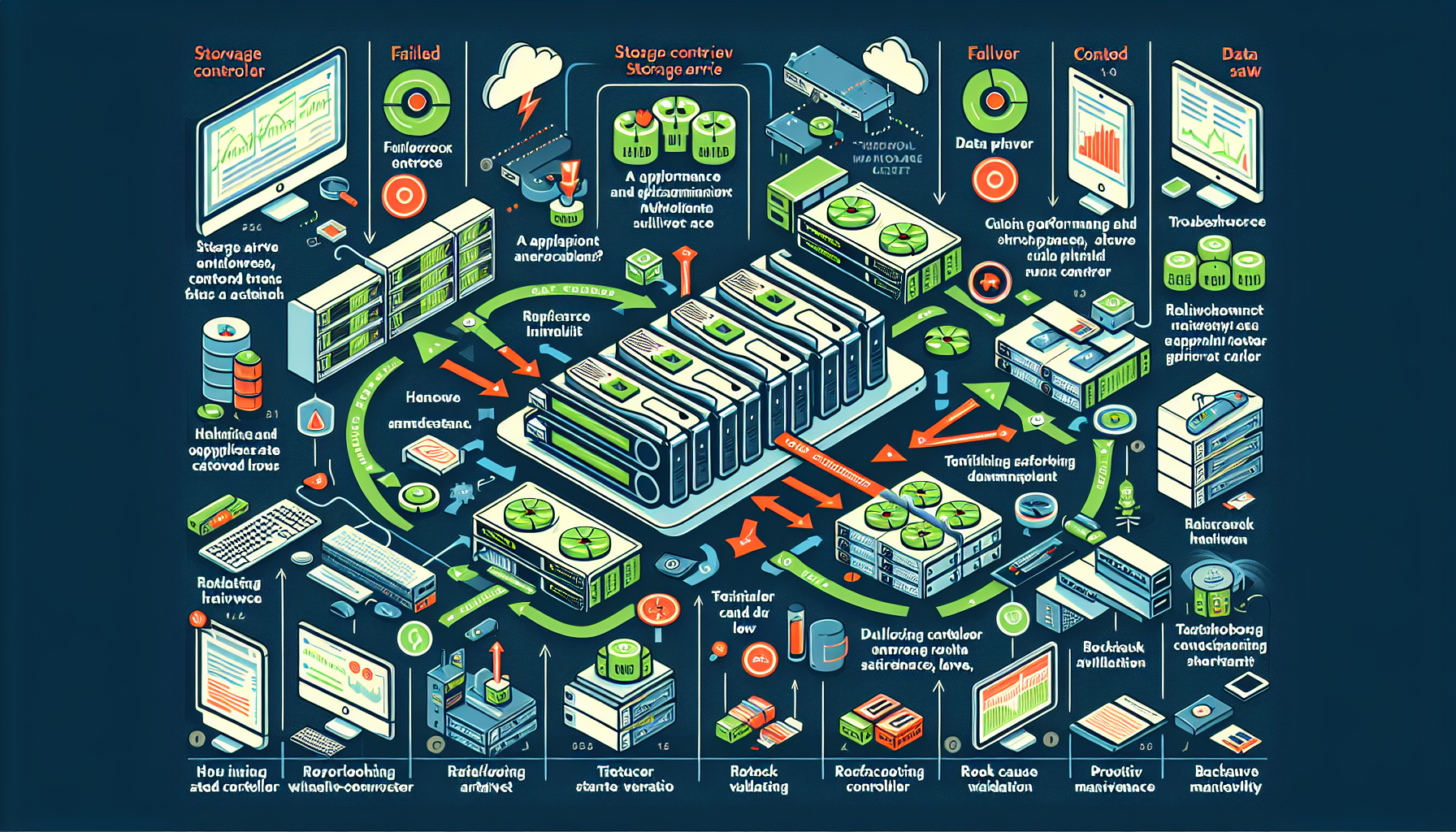
How do I handle storage array controller failures?

When a storage array controller fails, you need a clear sequence: identify, assess, communicate, fail over, diagnose, replace, validate, and document. Here’s the practical workflow. 1. Identify the Problem Check your storage management software or monitoring tools for alerts indicating a controller failure. Use the array management interface (GUI or CLI) to verify the failed […]

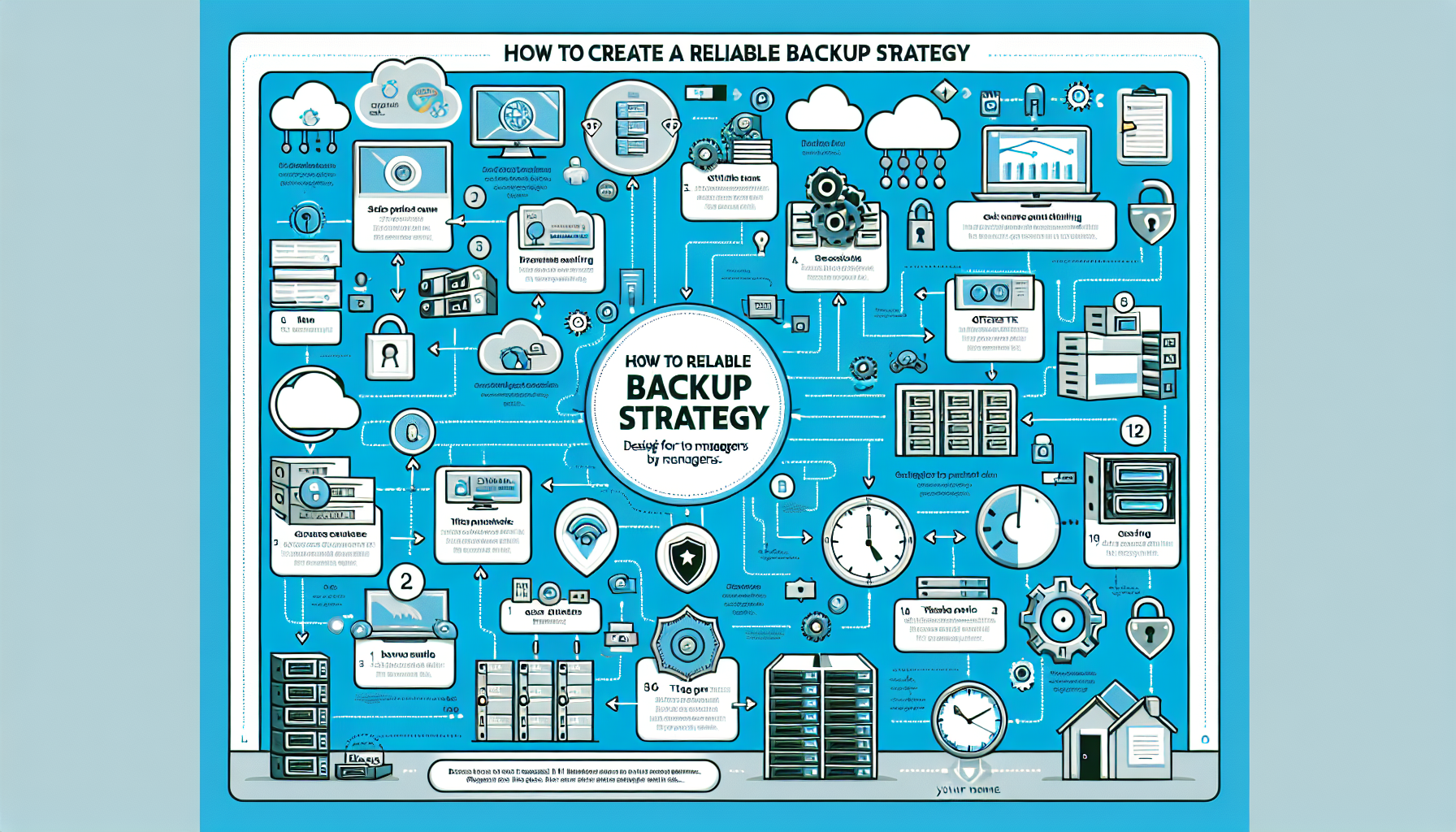
How do I create a reliable backup strategy?

A reliable backup strategy protects data integrity, availability, and disaster recovery. If you manage datacenters, storage, or infrastructure, here’s how to design one: 1. Define Objectives and Requirements Identify Critical Data: Determine which systems, applications, and data are mission-critical and need to be backed up. Recovery Time Objective (RTO): How quickly you need the data […]

How do I prevent GPU overheating in data-intensive tasks?

1. Optimize Data Center Cooling Arrange servers and racks for efficient airflow. Use hot-aisle/cold-aisle containment to separate hot and cold air streams. Monitor temperature and humidity continuously with environmental sensors. For high-density GPU racks, evaluate liquid cooling or upgraded HVAC. 2. Monitor GPU Temperatures Use nvidia-smi, AMD Radeon Software, or Prometheus/Grafana for telemetry. Set alerts […]

Scroll to top