sysarticles

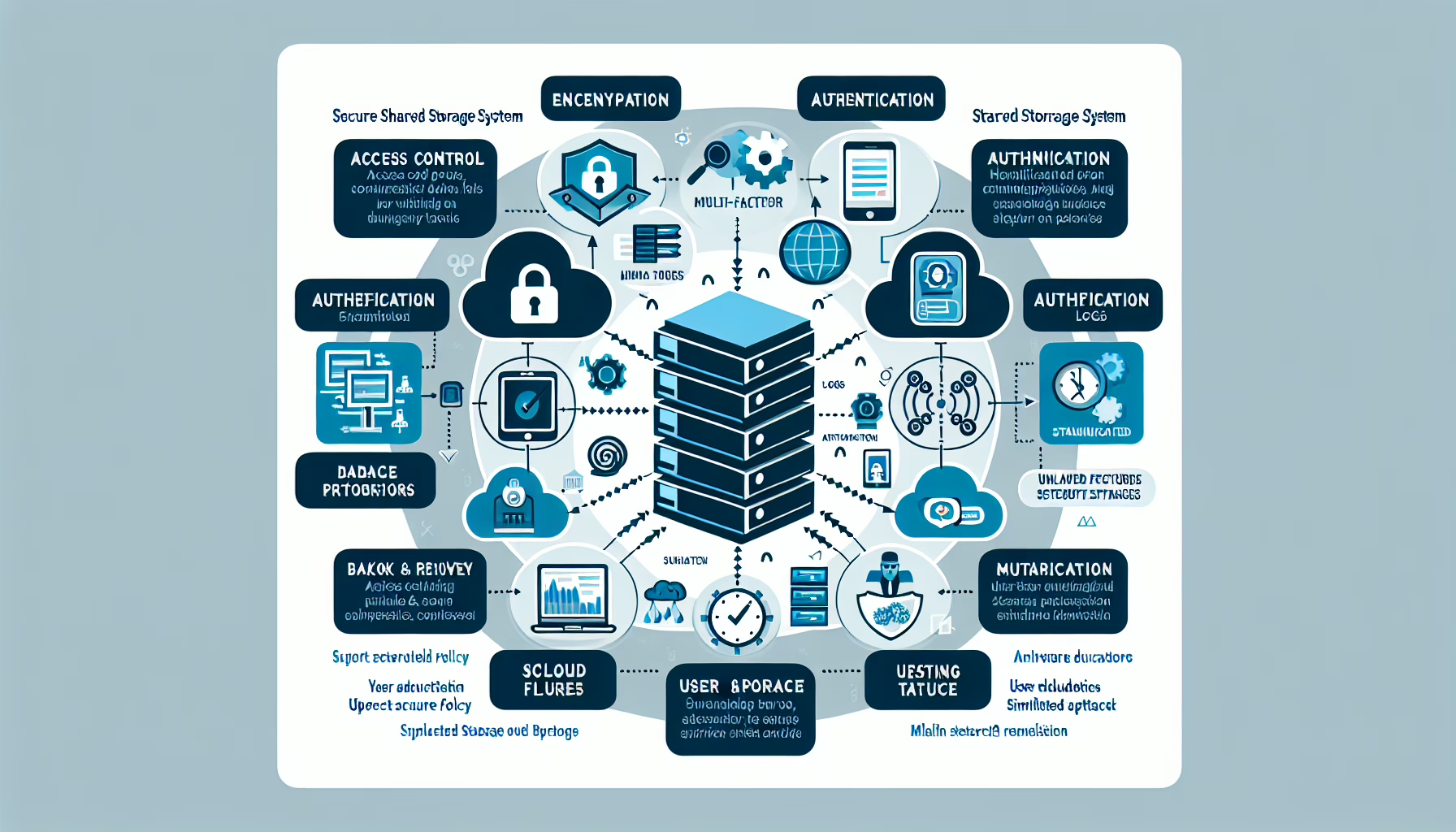
How do I secure data on shared storage systems?

Securing data on shared storage systems prevents unauthorized access, data loss, and corruption. Here are the key practices: 1. Implement Access Control Policies Role-Based Access Control (RBAC): Assign permissions based on roles so users only access the data they need. Least Privilege Principle: Limit access rights to the minimum required for users or services to […]
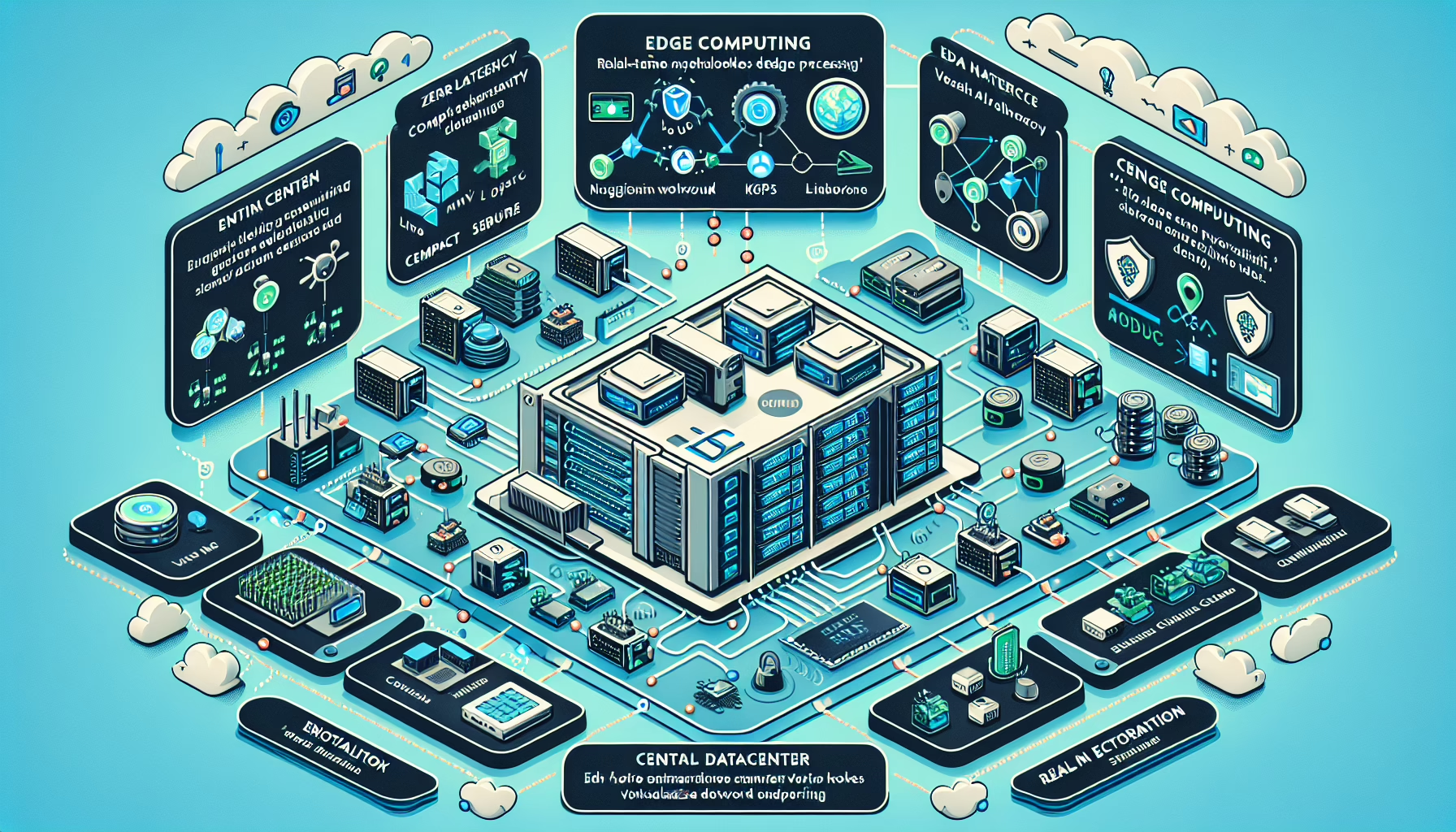
How do I implement edge computing within a datacenter?

1. Define Use Cases and Requirements Identify workloads that need low latency, high bandwidth, or real-time processing — AI inference, IoT, video analytics. Clarify the business objectives: reducing latency, improving performance, offloading central datacenter resources. Assess how the edge solution will scale over time and accommodate future needs. 2. Plan the Edge Architecture Design a […]

What are the best practices for configuring RAID 10 for high write workloads?

RAID 10 combines mirroring (RAID 1) and striping (RAID 0), giving you high I/O performance and redundancy — ideal for write-heavy workloads. Here are the practices that matter. 1. Select Enterprise-Grade Disks Use enterprise SSDs or HDDs rated for high write endurance. SSDs generally deliver better write speeds for intensive workloads. Match capacity, speed, and […]

What are the best practices for server patch management?

Patch management keeps your servers secure, stable, and performing. Here are the practices that work in production: 1. Establish a Patch Management Policy Document the process: roles, responsibilities, timelines, and procedures. Define criticality: categorize patches by importance — security, stability, feature updates. Compliance: align the policy with standards like GDPR, PCI-DSS, or HIPAA. 2. Inventory […]

How do I configure IT infrastructure for hybrid cloud data sharing?

Configuring IT infrastructure for hybrid cloud data sharing means integrating on-premises and cloud environments so data moves securely, performs well, and scales. Here are the steps and considerations. 1. Define Business Requirements Data Types: Identify what you’re sharing — structured, unstructured, sensitive, regulated. Use Cases: Analytics, disaster recovery, collaboration, burst compute — each drives different […]

How do I configure IT infrastructure for containerized applications?

Configuring infrastructure for containerized applications means building an environment that supports orchestration, networking, storage, and security at scale. Here’s how to approach it. 1. Assess Requirements Workload analysis: determine whether your applications are stateful or stateless, CPU-bound, memory-heavy, or GPU-dependent. Scalability: define horizontal and vertical scaling targets. Performance: quantify CPU, memory, I/O, and GPU needs. […]

Scroll to top