data redundancy

How do I set up a storage cluster for high availability?

Setting up a storage cluster for high availability requires planning, the right hardware and software, and configuration for redundancy, fault tolerance, and automatic failover. Here’s a step-by-step guide for data center and storage infrastructure teams: Step 1: Define Requirements Capacity: Estimate storage needs for current and future workloads. Performance: Determine IOPS, latency, and throughput requirements. […]
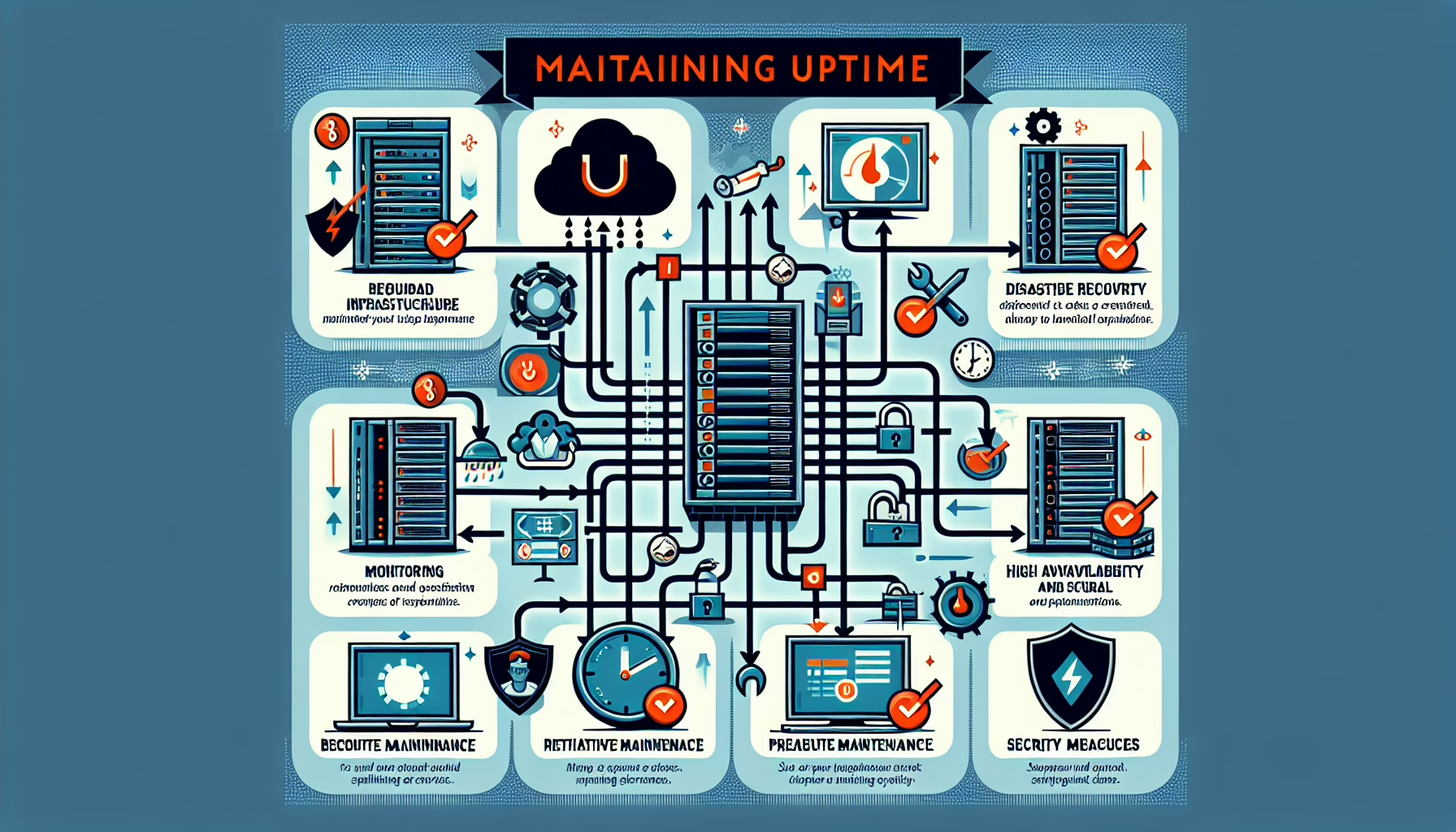
How do I maintain uptime in a datacenter?

1. Redundant infrastructure Power: Deploy UPS units, backup generators, and dual power feeds for continuous supply. Network: Use multiple ISPs and redundant paths (BGP) to prevent connectivity loss. Cooling: Implement N+1 or 2N cooling redundancy to handle equipment heat during failures. 2. Disaster recovery and backup Back up critical systems and data regularly; store copies […]

What are the best practices for configuring RAID 10 for high write workloads?

RAID 10 combines mirroring (RAID 1) and striping (RAID 0), giving you high I/O performance and redundancy — ideal for write-heavy workloads. Here are the practices that matter. 1. Select Enterprise-Grade Disks Use enterprise SSDs or HDDs rated for high write endurance. SSDs generally deliver better write speeds for intensive workloads. Match capacity, speed, and […]

Scroll to top