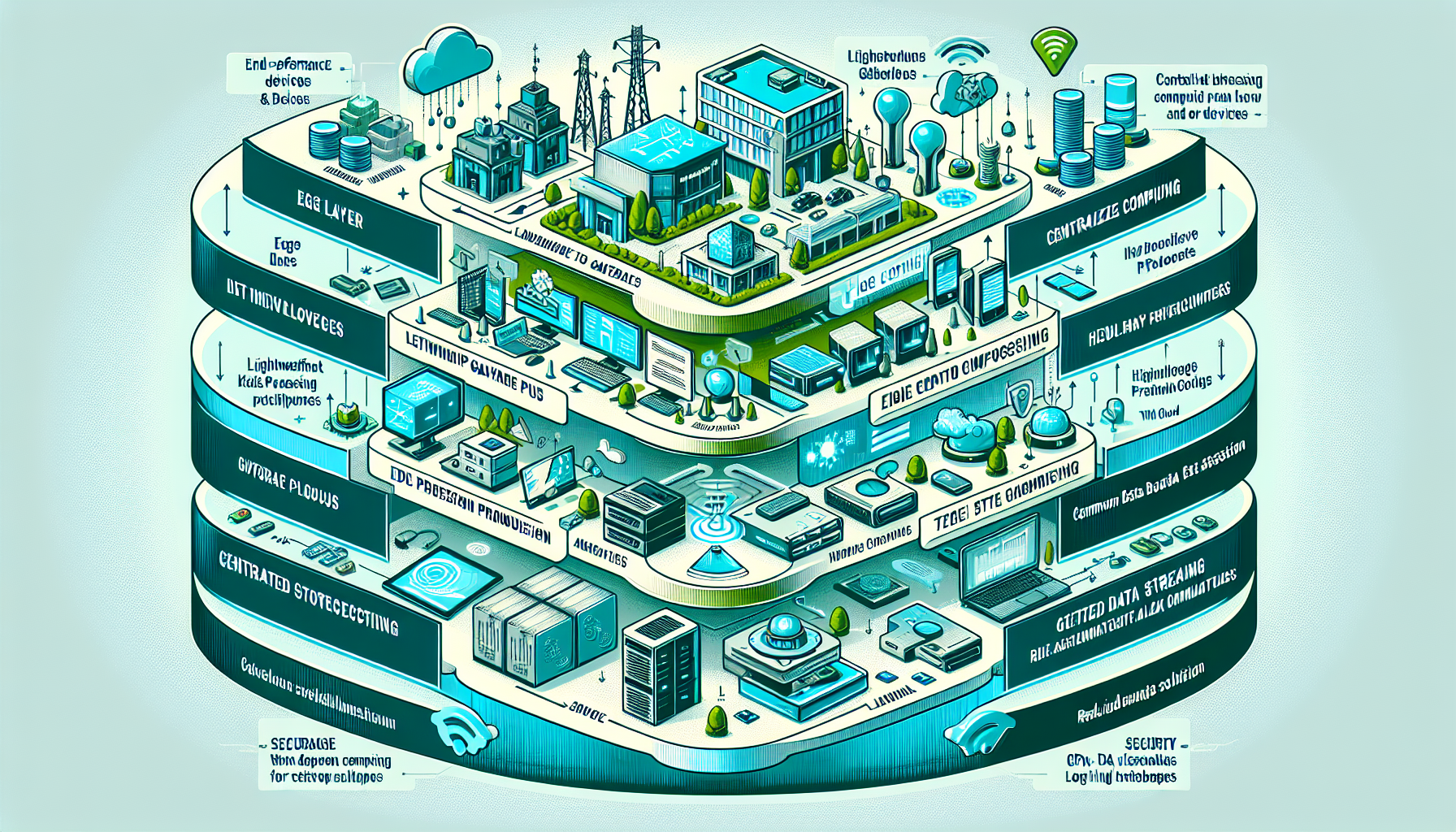
How do I configure IT infrastructure for IoT data processing?

Configuring IT infrastructure for IoT data processing means designing a scalable, secure system to handle collection, storage, processing, and analysis of massive IoT data streams. 1. Assess Requirements and Plan Define objectives: understand the use case (predictive maintenance, smart cities, healthcare monitoring). Estimate data volume, velocity, and variety from your devices. Determine real-time or near-real-time […]
How do I configure IT infrastructure for real-time inventory systems?

Configuring IT infrastructure for a real-time inventory system means solving for three things: data accuracy at scale, sub-second latency, and uptime that doesn’t blink during a warehouse shift. Here’s how to build it. 1. Define the Requirements First Data flow: Map every input — IoT sensors, barcode scanners, RFID gates, manual entry — to the […]

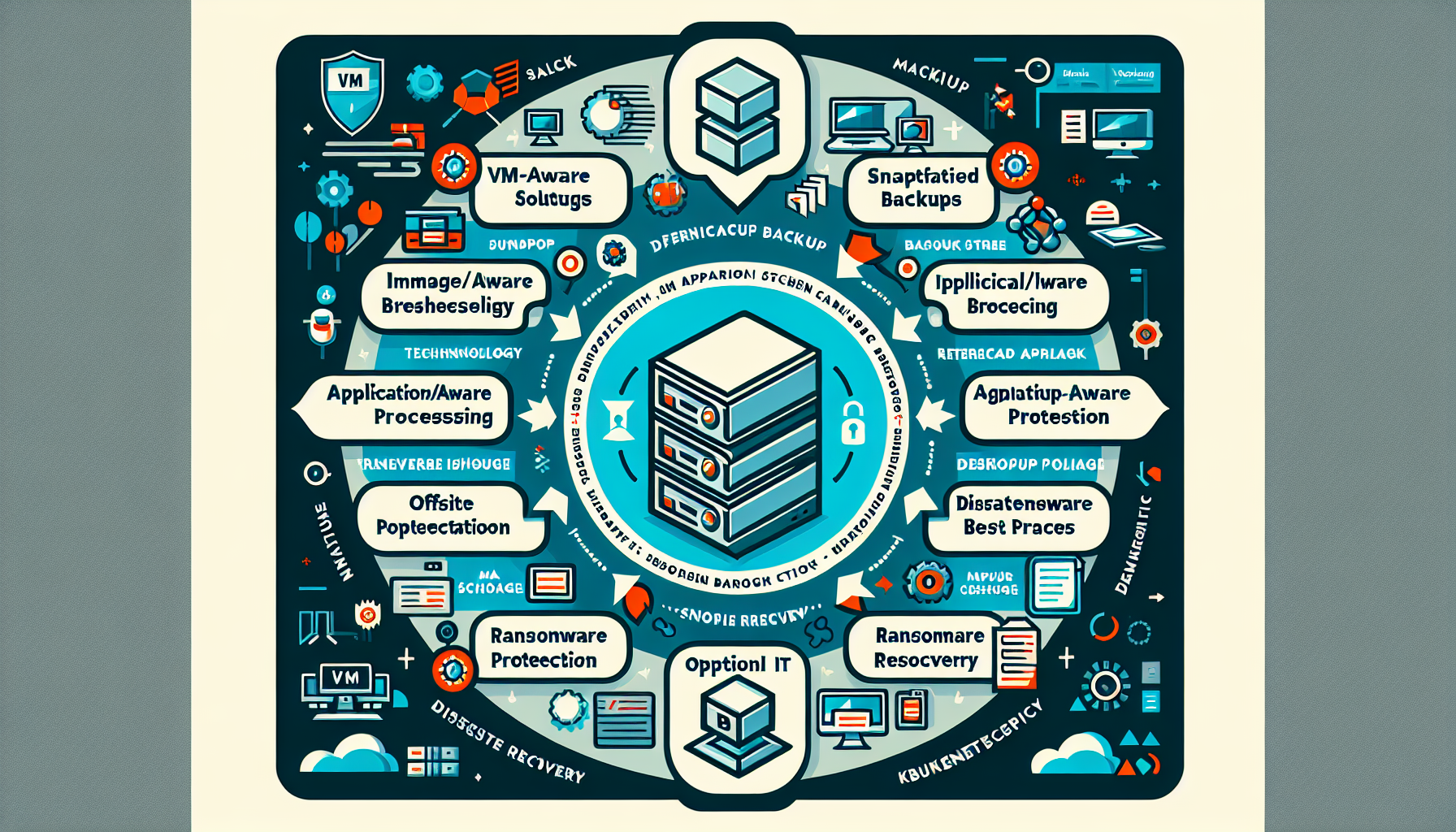
How do I back up virtual machines effectively?

Backing up virtual machines (VMs) effectively is critical to ensuring business continuity, disaster recovery, and data protection. Here are best practices and strategies to back up VMs effectively in your IT environment: 1. Choose the Right Backup Solution Select a VM-aware backup solution that is designed for virtualized environments such as VMware vSphere, Microsoft Hyper-V, […]

How do I configure Active Directory (AD) sites and services for multi-branch networks?

Configuring Active Directory (AD) Sites and Services for a multi-branch network is crucial to ensure efficient authentication, replication, and resource access. Below is a step-by-step guide to properly configure AD Sites and Services for a multi-branch network: 1. Understand Your Network Topology Before configuring AD Sites and Services, gather the following information: – Locations of […]

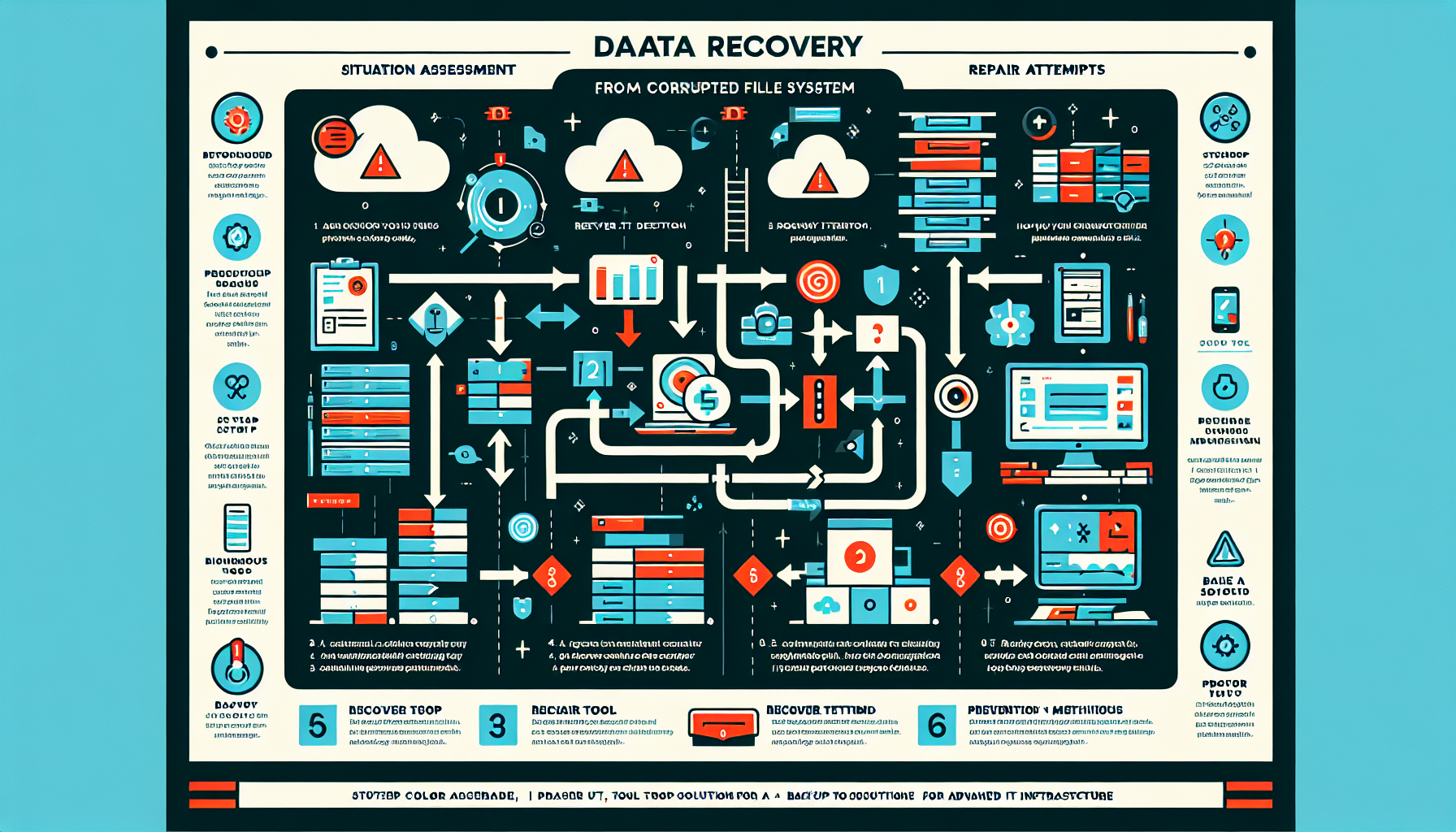
How do I recover data from a corrupted file system?

Recovering data from a corrupted file system is a delicate process that requires careful planning to avoid causing further damage. Below is a step-by-step guide to help you recover the data effectively: Step 1: Assess the Situation Identify the symptoms. Are files missing, unreadable, or inaccessible? Is the entire file system unmountable? Stop writing to […]

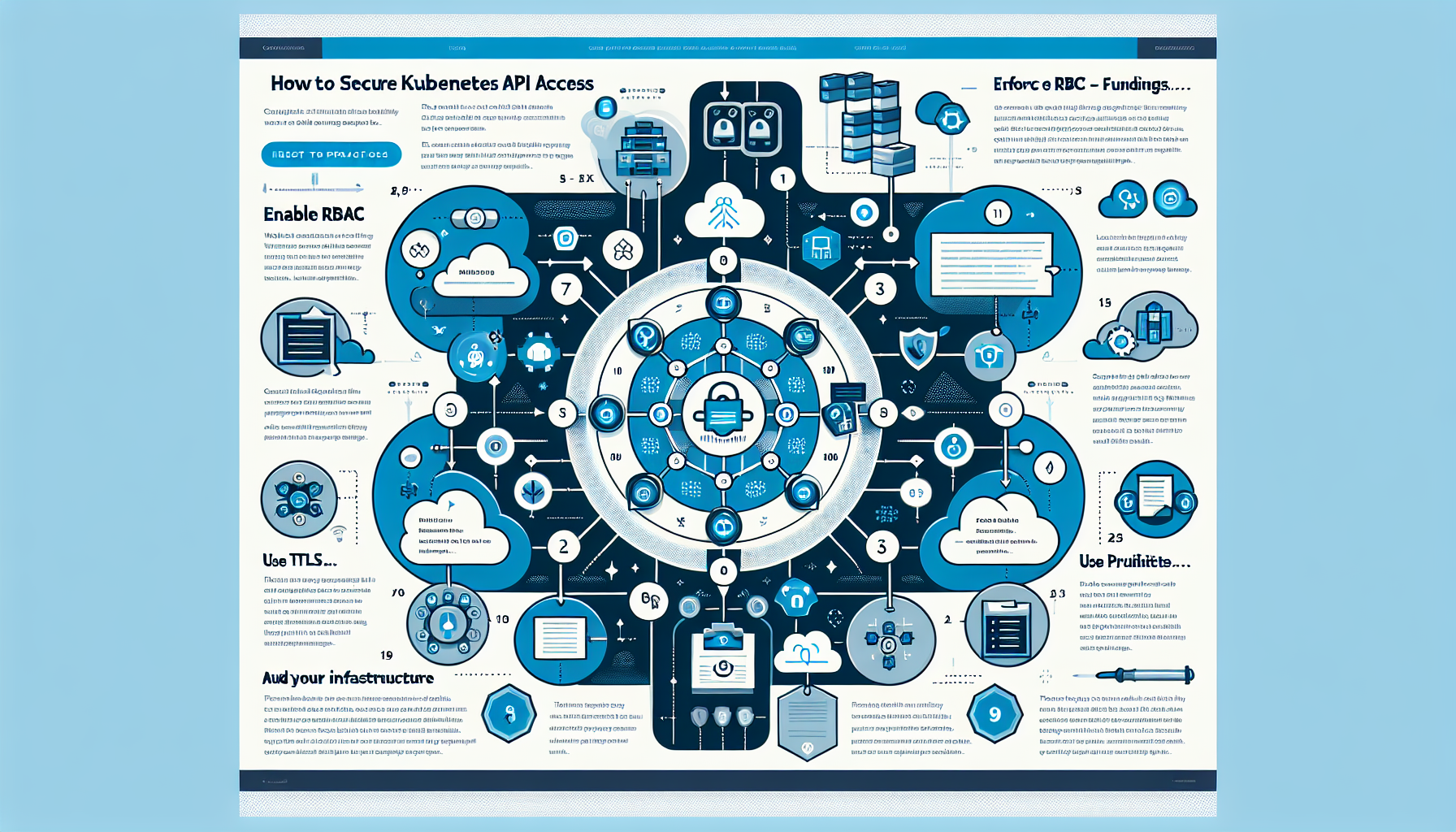
How do I secure Kubernetes API access?

1. Enable Role-Based Access Control (RBAC) RBAC lets you enforce granular access policies by defining roles and binding them to specific users or service accounts. Create roles and cluster roles with the principle of least privilege. Bind roles to users, groups, or service accounts using RoleBindings or ClusterRoleBindings. bash kubectl create rolebinding <name> –role=<role-name> –user=<user-name> […]

Scroll to top