How do I configure IT infrastructure for containerized applications?

Configuring infrastructure for containerized applications means building an environment that supports orchestration, networking, storage, and security at scale. Here’s how to approach it. 1. Assess Requirements Workload analysis: determine whether your applications are stateful or stateless, CPU-bound, memory-heavy, or GPU-dependent. Scalability: define horizontal and vertical scaling targets. Performance: quantify CPU, memory, I/O, and GPU needs. […]

How do I optimize ZFS file systems for high-throughput workloads?

Optimizing ZFS for high-throughput workloads means tuning at the hardware, pool, and workload levels. Here are the practices that matter. 1. Hardware Considerations a. Storage Devices Use high-endurance, low-latency SSDs or NVMe drives for the SLOG (Separate Log Device) to accelerate synchronous writes. Add fast SSDs or NVMe for L2ARC to extend read caching beyond […]

How do I implement a patch management strategy for IT systems?

You manage datacenters, storage, backup, servers, virtualization, operating systems, Kubernetes, and the rest of the stack. Here is a practical patch management strategy you can put into production. 1. Establish Patch Management Policy Define scope: which systems, servers, applications, and devices are included (Windows, Linux, Kubernetes clusters, network gear, firmware). Set objectives: keep systems current, […]

How do I configure and secure SMB file shares on Windows Server?

Configure and secure SMB file shares on Windows Server with these steps. 1. Configure SMB File Shares Step 1: Create the File Share Log in to the Windows Server with an account that has administrative privileges. Create a folder to share. Navigate to the target directory, right-click the folder, select Properties, then go to the […]

How do I optimize network performance in a datacenter?

Start by establishing a baseline. You can’t improve what you don’t measure. 1. Baseline Network Performance Use monitoring tools like SolarWinds, Nagios, or PRTG to capture latency, packet loss, throughput, and error rates over a representative period. Analyze traffic patterns to identify peak periods, bottlenecks, and which applications consume the most bandwidth. 2. Upgrade Network […]

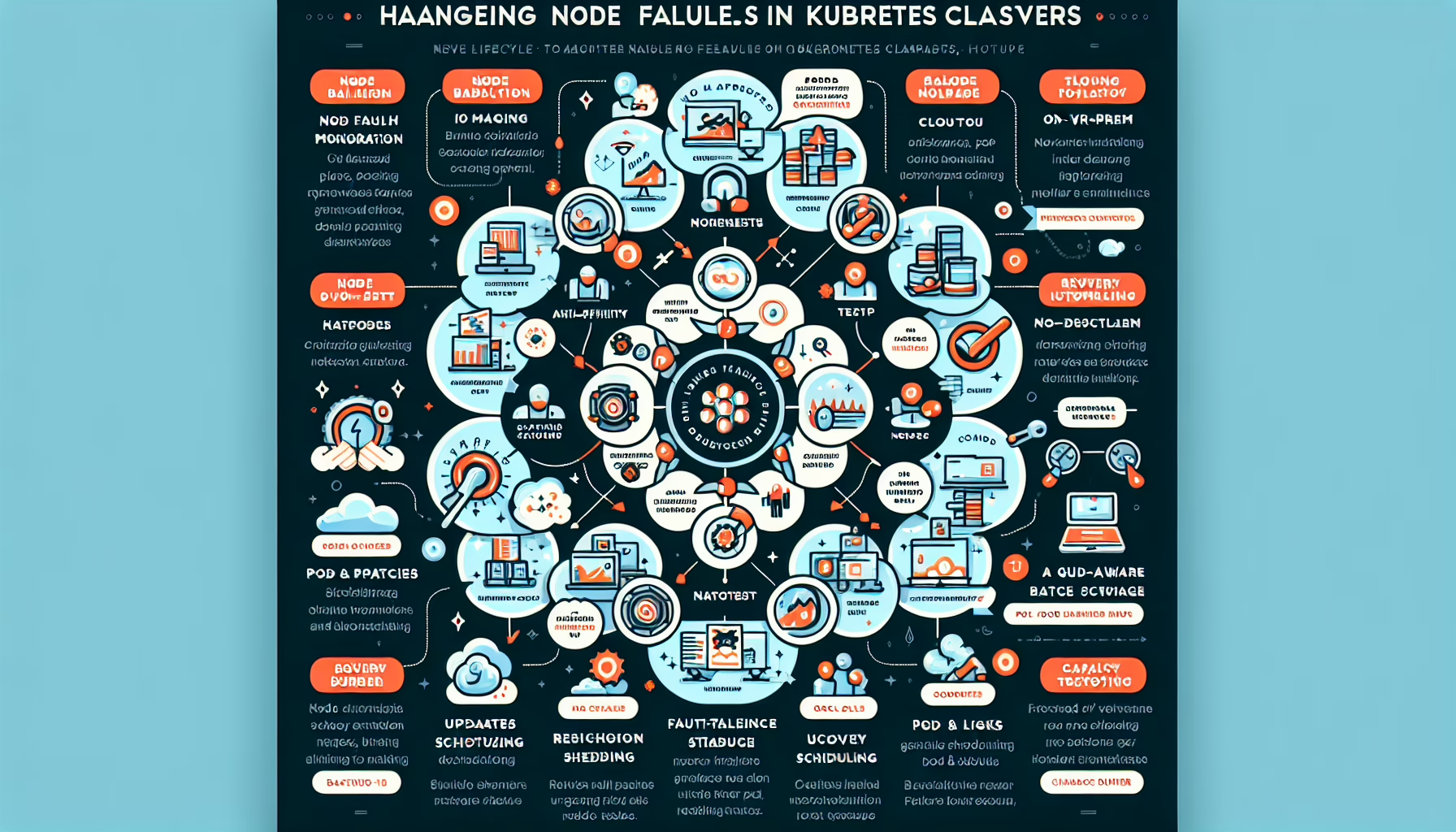
How do I handle node failures in Kubernetes clusters?

Handling node failures in Kubernetes clusters is essential for high availability. Here are practices and steps to manage node failures: 1. Understand Kubernetes Node Failure Behavior Kubernetes tolerates node failures by redistributing workloads across healthy nodes. When a node fails: – Pods on the failed node enter “Terminating” or “Unknown” state. – The control plane […]

Scroll to top