The AI landscape is evolving quickly, and staying current means tracking the latest moves from Google, OpenAI, Anthropic, and other players. Here are the developments shaping where the field is headed.
Google’s recent I/O conference aimed to showcase its AI advancements and reassert dominance after OpenAI’s strong demos. The event delivered a slew of announcements but left many observers underwhelmed.
Key Announcements from Google I/O:
Gemini 1.5 Pro and Flash: Google introduced Gemini 1.5 Pro and its lighter counterpart, Gemini 1.5 Flash. Both improve on code generation, logical reasoning, and multi-modal support, though neither felt revolutionary.
Project Astra: This agent framework acts as a personal assistant, integrating video and voice inputs. It’s designed to understand complex environments and maintain context over time.
Imagen 3 and Veo: Imagen 3, Google’s new image generation model, rivals Midjourney v6 and DALL-E 3 in detail fidelity. Veo generates high-quality 1080p video, combining strengths from earlier models.
Trillium TPU: Google unveiled its latest training hardware, the Trillium TPU, promising significant performance and energy-efficiency gains.
Why It Matters:
Tech Industry Competition: Google’s broad launch highlights intense competition. The lack of breakthrough innovation underscores the difficulty of staying ahead of rivals like OpenAI.
User Experience: Upgrades aim to improve AI interactions, but the absence of live, detailed demos left questions. Real-world implementation will determine practical impact.
Strategic Positioning: Google’s comprehensive yet conservative approach reflects the strategic importance of remaining competitive. Matching and slightly exceeding existing capabilities signals a cautious but determined effort to hold market position.
Anthropic, a key OpenAI competitor, appointed Instagram co-founder Mike Krieger as chief product officer. The hire signals serious intent to strengthen product engineering, management, and design.
The Details:
Leadership Appointment: Krieger will oversee product engineering, management, and design, aiming to expand Anthropic’s AI business applications and bring Claude to a wider audience.
Product Expansion: His remit includes enterprise services, subscriptions, and software offerings — critical for Anthropic’s growth.
Recent Developments: Anthropic recently launched its Claude 3 models, a business tier, and a Claude iOS app.
Why It Matters:
Industry Impact: Krieger’s expertise should enhance Anthropic’s product development and market presence, strengthening its competitive position.
Product Innovation: His leadership in expanding AI applications and improving Claude could drive innovative solutions and enterprise adoption.
Strategic Moves: Hiring a high-profile industry figure underscores Anthropic’s commitment to growth and signals increased competition ahead.
OpenAI is navigating significant transformation after the resignations of Jan Leike and Chief Scientist Ilya Sutskever. These departures raise questions about the future of the “superalignment” team.
The Details:
Superalignment Team: Created to solve the challenge of steering AI systems smarter than humans, the team had a four-year goal and 20% of OpenAI’s compute resources.
Recent Resignations: Leike and Sutskever’s exits, alongside other departures, could affect OpenAI’s strategic direction and ability to meet ambitious goals.
Organizational Stability: Multiple high-profile departures in a short period can signal internal challenges and affect morale.
Why It Matters:
Leadership Changes: Losing key figures could impact strategic direction, particularly in AI alignment.
AI Alignment Efforts: The superalignment team’s work is crucial for ensuring advanced AI systems align with human values. Leadership changes may slow progress.
Future Directions: How OpenAI fills these roles will shape its efforts in developing safe, beneficial AI.
Stability AI, the company behind Stable Diffusion, faces significant financial challenges and has explored sale talks. Despite initial success, monetization and cash flow remain problems.
The Details:
Financial Struggles: Stability AI has struggled to monetize, leading to dwindling reserves. The company owes nearly $100 million to cloud providers and other creditors.
Revenue and Losses: In Q1 2024, revenue came in under $5 million against losses exceeding $30 million.
Leadership and Staff Changes: The company cut 10% of staff following CEO Emad Mostaque’s resignation and other key researcher departures.
Why It Matters:
Industry Competition: Stability AI’s challenges highlight pressure in the AI image-generation market, with Midjourney eroding market share and revenue.
Financial Health: The struggles underscore difficulties in monetizing AI products even with strong funding and partnerships, raising sustainability questions for similar startups.
Impact on Innovation: Leadership turnover and financial instability can hinder innovation. A potential sale could shift strategic direction and product development.
The AI ecosystem is in flux. Google’s ambitious but conservative launches, Anthropic’s strategic hire, OpenAI’s leadership turnover, and Stability AI’s financial trouble all illustrate how dynamic and competitive the field remains. For practitioners, staying informed and adaptable is the only way to keep up. The coming months will bring more shifts — we’ll track them as they happen.
For more insights on AI and technology, subscribe to our newsletter. Comments and thoughts are welcome below.
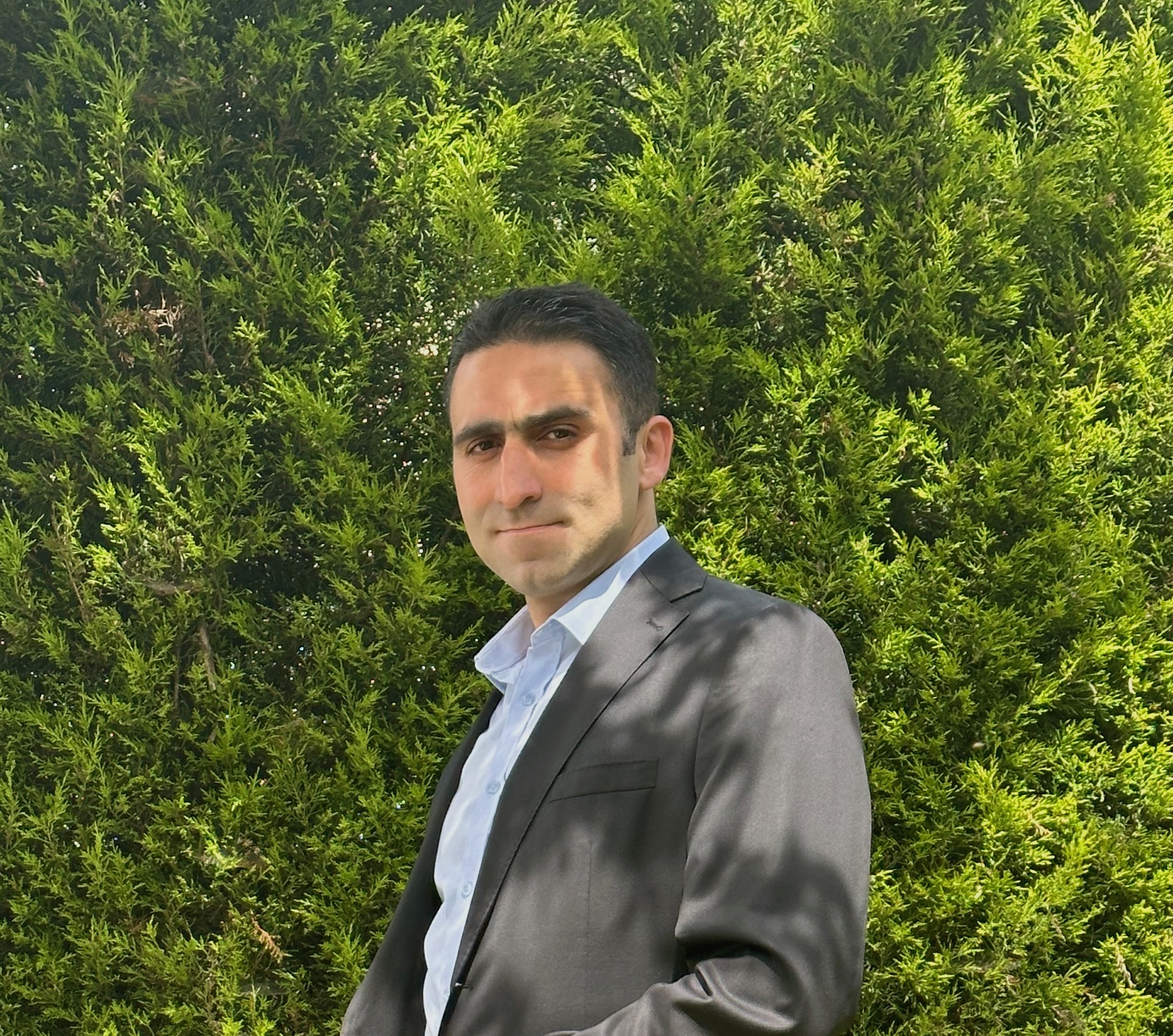
Ali YAZICI is a Senior IT Infrastructure Manager with 15+ years of enterprise experience. While a recognized expert in datacenter architecture, multi-cloud environments, storage, and advanced data protection and Commvault automation , his current focus is on next-generation datacenter technologies, including NVIDIA GPU architecture, high-performance server virtualization, and implementing AI-driven tools. He shares his practical, hands-on experience and combination of his personal field notes and “Expert-Driven AI.” he use AI tools as an assistant to structure drafts, which he then heavily edit, fact-check, and infuse with my own practical experience, original screenshots , and “in-the-trenches” insights that only a human expert can provide.