sysarticles

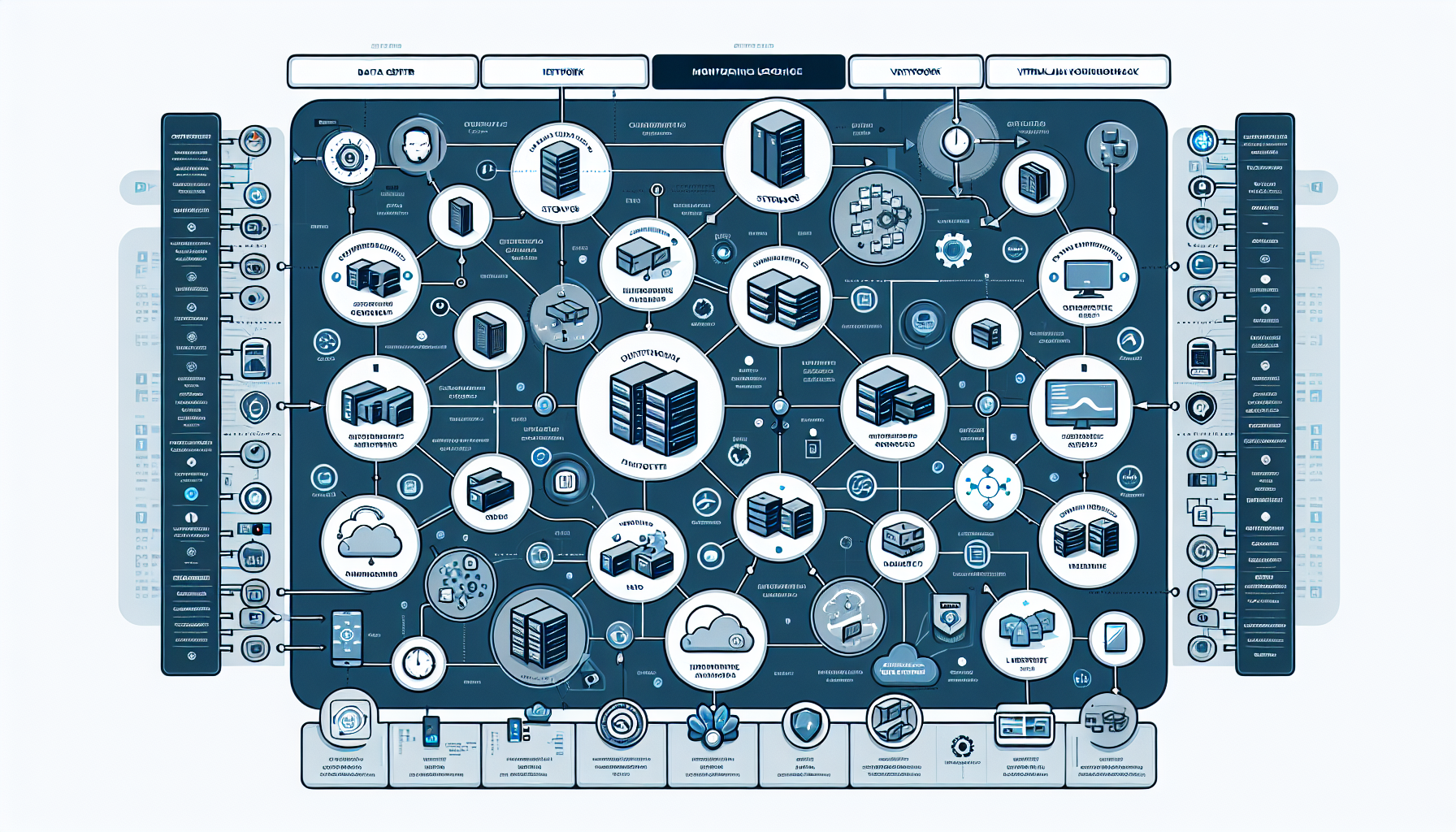
How do I implement IT infrastructure monitoring and logging?

Monitoring and logging keep your infrastructure healthy, performant, and secure. Here’s how to set them up effectively: 1. Define Your Objectives Before implementing monitoring and logging, clearly define what you want to achieve: Proactive Issue Detection: Identify issues before they affect users. Performance Optimization: Monitor resource usage to optimize performance. Capacity Planning: Track trends to […]

How do I resolve issues with VMware Tools not installing or updating in VMs?

VMware Tools is crucial for ensuring optimal performance and functionality of virtual machines (VMs) in a VMware environment. If you’re encountering issues with VMware Tools not installing or updating, follow these steps to troubleshoot and resolve the problem: 1. Verify VM Compatibility and Settings Check VMware Tools Compatibility: Ensure that the version of VMware Tools […]

How do I troubleshoot DNS resolution issues in IT infrastructure?

Troubleshooting DNS resolution issues is a core skill for infrastructure engineers. DNS underpins almost all network communication, so when it breaks, things stop working fast. Here’s how to isolate and fix the problem: 1. Verify the Problem Identify whether the issue affects specific systems, services, or the entire network. Try pinging the hostname (e.g., ping […]

How do I configure IT infrastructure for cloud-native applications?

Configuring IT infrastructure for cloud-native applications requires careful planning and implementation of modern technologies that enable scalability, flexibility, and high availability. Here are the steps you can follow to set up your IT infrastructure: 1. Assess Requirements Understand Application Needs: Identify the resource requirements (CPU, memory, GPU, storage, etc.), containerization preferences, networking needs, and dependencies. […]

How do I configure IT infrastructure for large-scale distributed databases like Cassandra?

1. Hardware Requirements Compute Nodes CPU: Choose servers with strong multi-core CPUs (e.g., AMD EPYC or Intel Xeon). Cassandra is CPU-intensive for queries and writes. Memory: Allocate sufficient RAM. Cassandra benefits from large amounts of memory for caching, but it doesn’t store data in memory. A good starting point is 32 GB to 64 GB […]

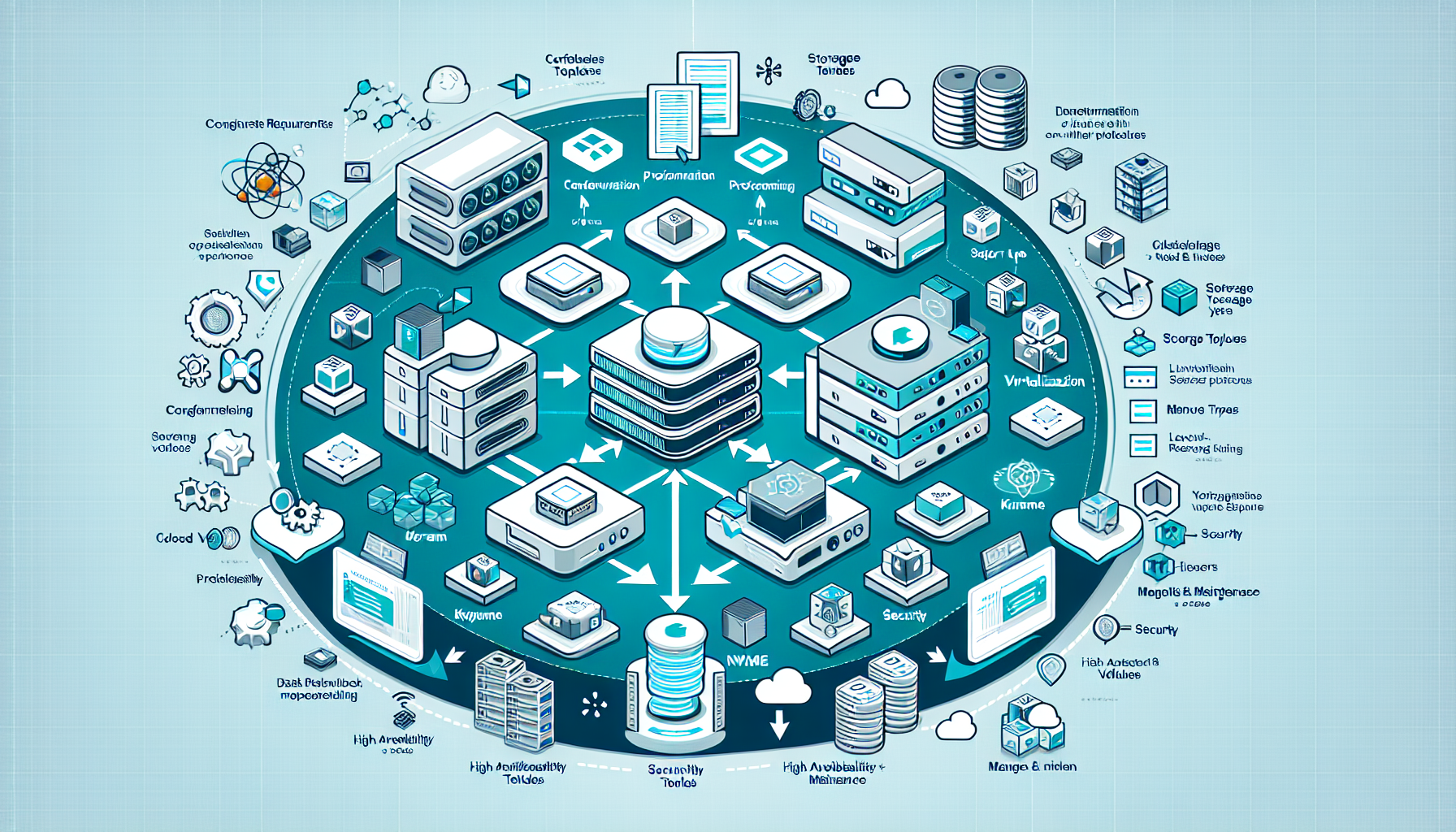
How do I integrate storage with virtualization platforms?

Storage integration makes or breaks a virtualization platform. Get it wrong and you’ll chase performance issues forever. Get it right and the infrastructure mostly runs itself. Here’s how to approach it. 1. Assess Your Storage Requirements Determine capacity based on actual VM workloads, not vendor sizing guides. Identify IOPS, throughput, and latency requirements for each […]

Scroll to top