servers and virtualization

How do I implement a software-defined data center (SDDC)?

Implementing a Software-Defined Data Center (SDDC) means transitioning traditional infrastructure into a fully virtualized, automated, and policy-driven environment. Here’s a step-by-step approach: 1. Understand SDDC Concepts and Objectives Before starting, make sure you and your team grasp the core layers: – Compute Virtualization: Virtual machines, containers, and Kubernetes. – Storage Virtualization: Software-defined storage (e.g., vSAN, […]
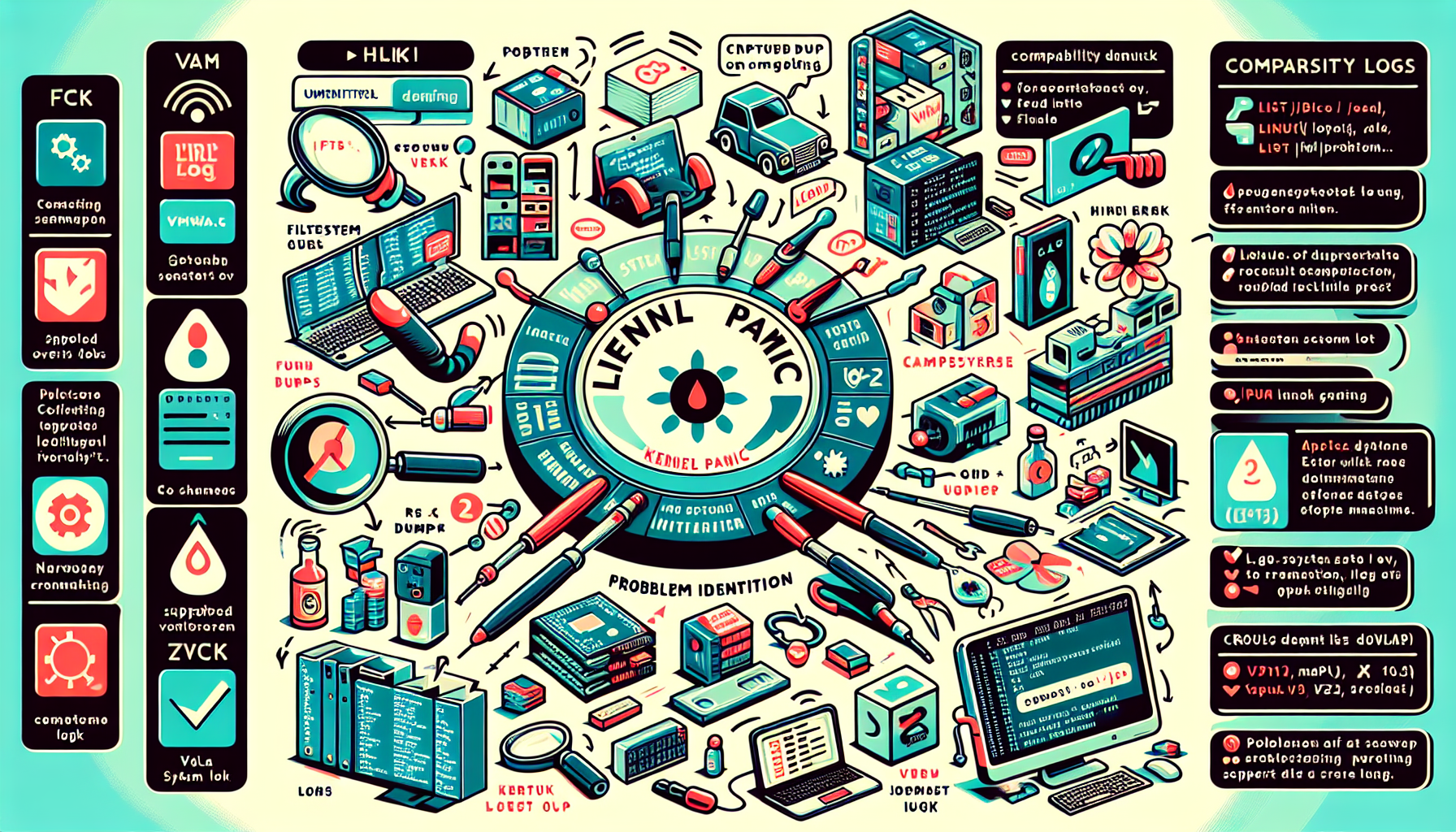
How do I resolve kernel panic issues in Linux VMs running on VMware?

Resolving kernel panic issues in Linux VMs running on VMware can be challenging, as it involves diagnosing the root cause of the problem. Here are the steps you can take to identify and resolve the issue: 1. Understand the Kernel Panic A kernel panic is triggered when the Linux kernel encounters a critical error that […]

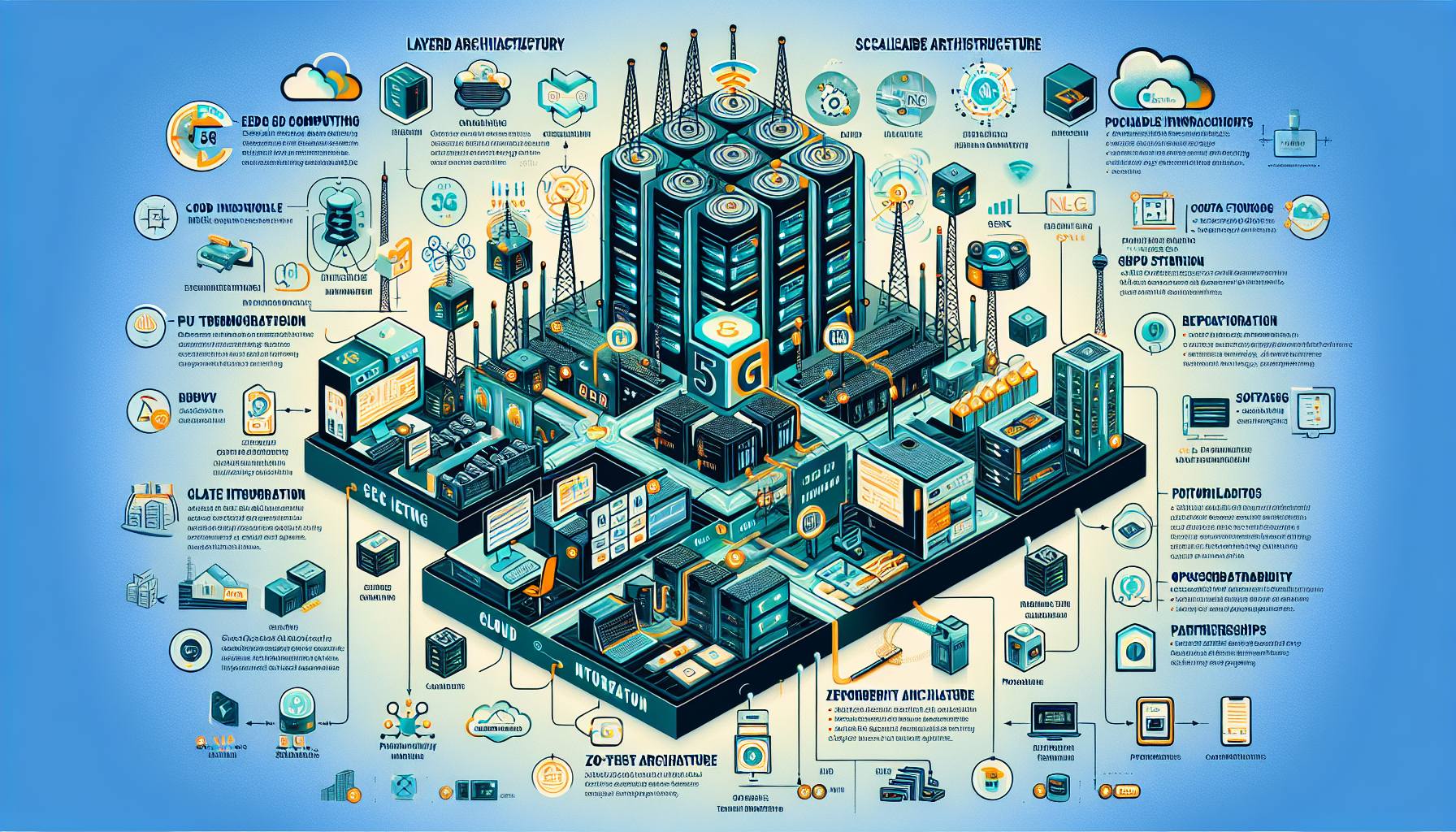
How do I implement IT infrastructure for 5G networks?

Implementing IT infrastructure for 5G networks takes a combination of capable hardware, advanced software, and scalable architecture to support the high-speed, low-latency, and massive connectivity demands of 5G. Here’s a step-by-step approach for an IT manager overseeing datacenters, storage, servers, virtualization, and related technologies: 1. Design the Infrastructure Architecture Edge Computing: Deploy edge datacenters close […]

How do I configure IT infrastructure for cloud-native applications?

Configuring IT infrastructure for cloud-native applications requires careful planning and implementation of modern technologies that enable scalability, flexibility, and high availability. Here are the steps you can follow to set up your IT infrastructure: 1. Assess Requirements Understand Application Needs: Identify the resource requirements (CPU, memory, GPU, storage, etc.), containerization preferences, networking needs, and dependencies. […]

How do I configure IT infrastructure for real-time collaboration tools?

Real-time collaboration tools — Microsoft Teams, Zoom, Slack, Google Workspace — run mostly in the vendor’s cloud. Your infrastructure job is network, identity, endpoint, and (if you self-host any components) the supporting servers and storage. Here’s the practical breakdown. 1. Assess Requirements Collaboration tools: List what you’re running (Teams, Zoom, Slack, Google Workspace, or self-hosted […]

Scroll to top