Kubernetes

What are the best practices for IT infrastructure performance tuning?

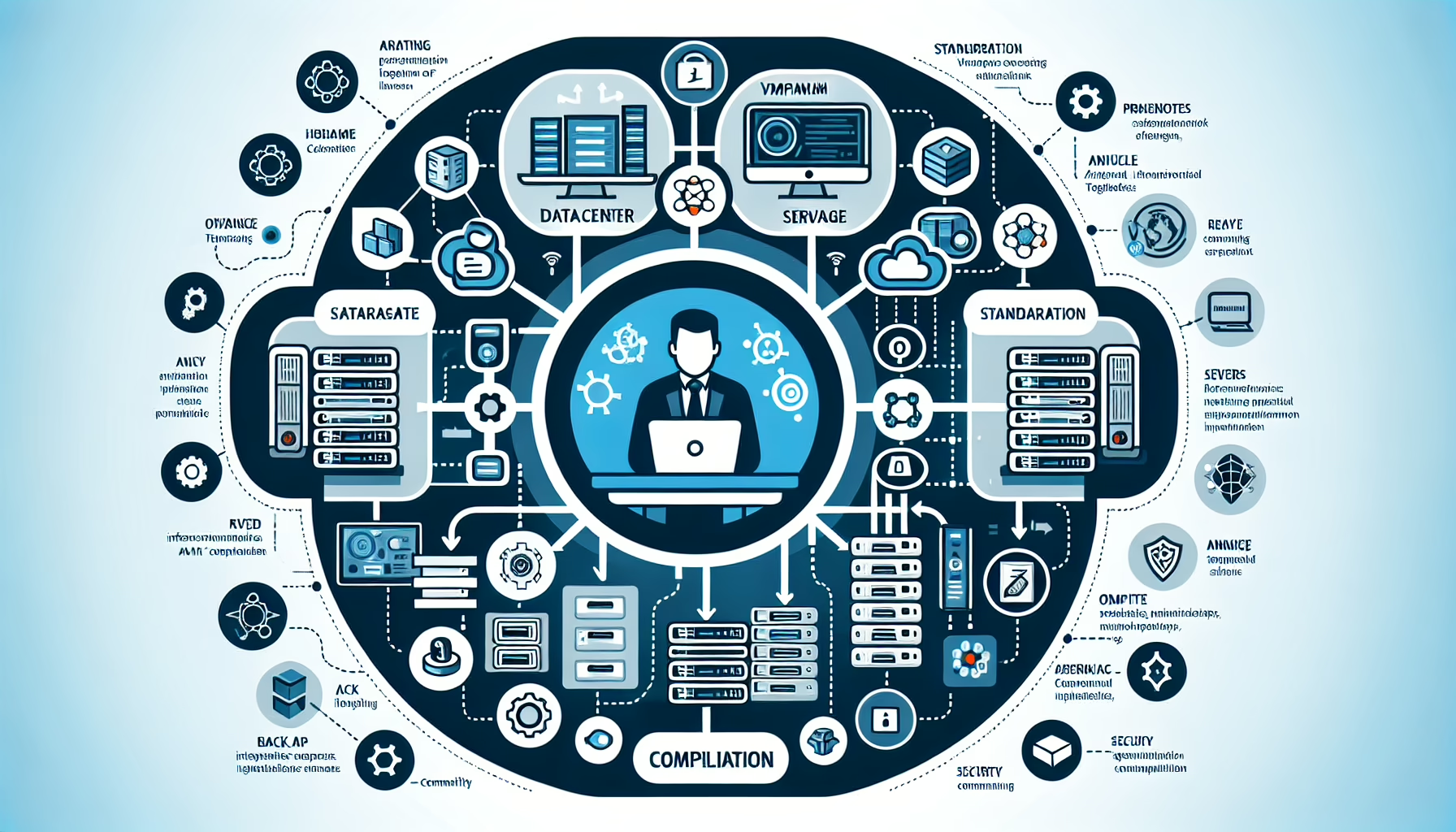
Performance tuning spans every layer of infrastructure. Below are the practices that matter most in production. 1. Datacenter Optimization Power and Cooling: Run hot/cold aisle containment. Monitor inlet temperatures and humidity at the rack level; thermal throttling starts before you see alerts. Network Fabric: Segment traffic with VLANs and apply QoS for storage, management, and […]
How do I troubleshoot IT infrastructure API failures?

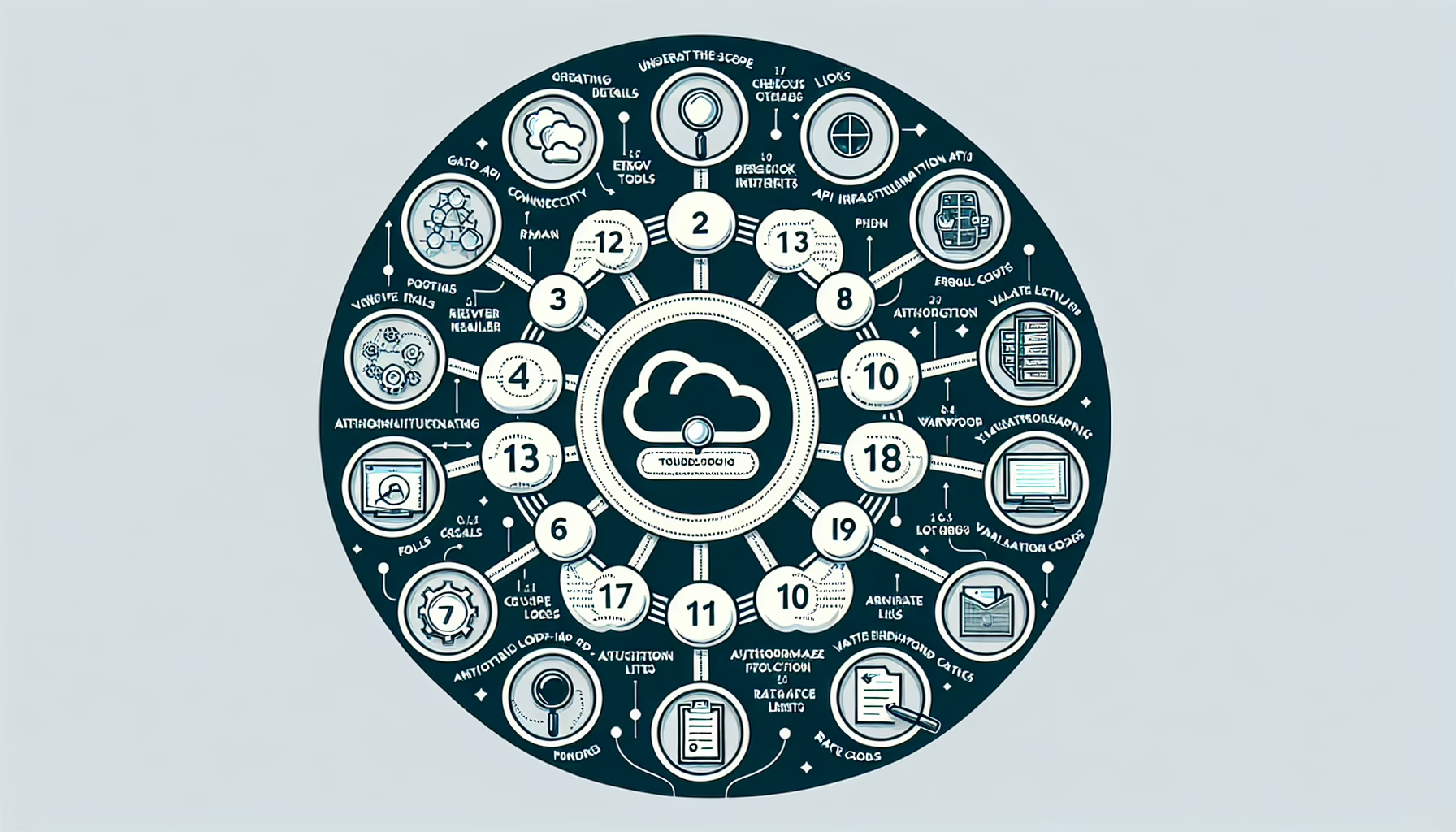
Troubleshooting API failures in your infrastructure takes a systematic approach. Here’s a practical guide to track down the root cause and fix it. 1. Understand the Scope of the Issue Gather details: determine which API endpoints are failing and identify the affected users, applications, or services. Collect error codes, stack traces, logs, or any descriptive […]

How do I manage IT infrastructure during an acquisition?

You inherit two IT environments and need to merge them without breaking production. Here is a practical framework. 1. Assessment and Discovery Understand the IT landscape of both organizations: – Inventory: Perform a detailed audit of all IT assets — hardware, software, licenses, datacenters, servers, storage systems, backup solutions, virtualization platforms, Kubernetes clusters, AI workloads, […]

How do I configure IT infrastructure to support hybrid AI/ML workloads?

Hybrid AI/ML workloads run across on-premises infrastructure and public cloud. Here’s how to configure your environment for them. 1. Assess Your Requirements Workload Analysis Determine the type of AI/ML models you’ll run (training, inference, or both). Identify compute, storage, and networking needs. Decide whether you need GPUs, TPUs, or CPUs. Data Location Map where your […]

How do I optimize IT infrastructure for real-time analytics?

Optimizing IT infrastructure for real-time analytics means balancing performance, scalability, reliability, and cost. Here are the key areas to address: 1. Assess Requirements Measure your actual data ingest rates: volume, velocity, and variety. Define latency thresholds your analytics can tolerate. Profile workloads to size CPU, GPU, memory, storage, and network. 2. Upgrade Hardware Infrastructure Select […]

How do I implement IT infrastructure for AI/ML pipelines?

Building infrastructure for AI/ML pipelines means designing an environment that handles data processing, model training, inference, and storage without becoming a bottleneck. Here’s how to approach it. 1. Assess Requirements First Identify the actual workloads: training, inference, batch processing, real-time prediction. Each has different compute and latency profiles. Define scale. A prototype serving five users […]

Scroll to top