How do I configure IT infrastructure for large-scale distributed databases like Cassandra?

1. Hardware Requirements Compute Nodes CPU: Choose servers with strong multi-core CPUs (e.g., AMD EPYC or Intel Xeon). Cassandra is CPU-intensive for queries and writes. Memory: Allocate sufficient RAM. Cassandra benefits from large amounts of memory for caching, but it doesn’t store data in memory. A good starting point is 32 GB to 64 GB […]
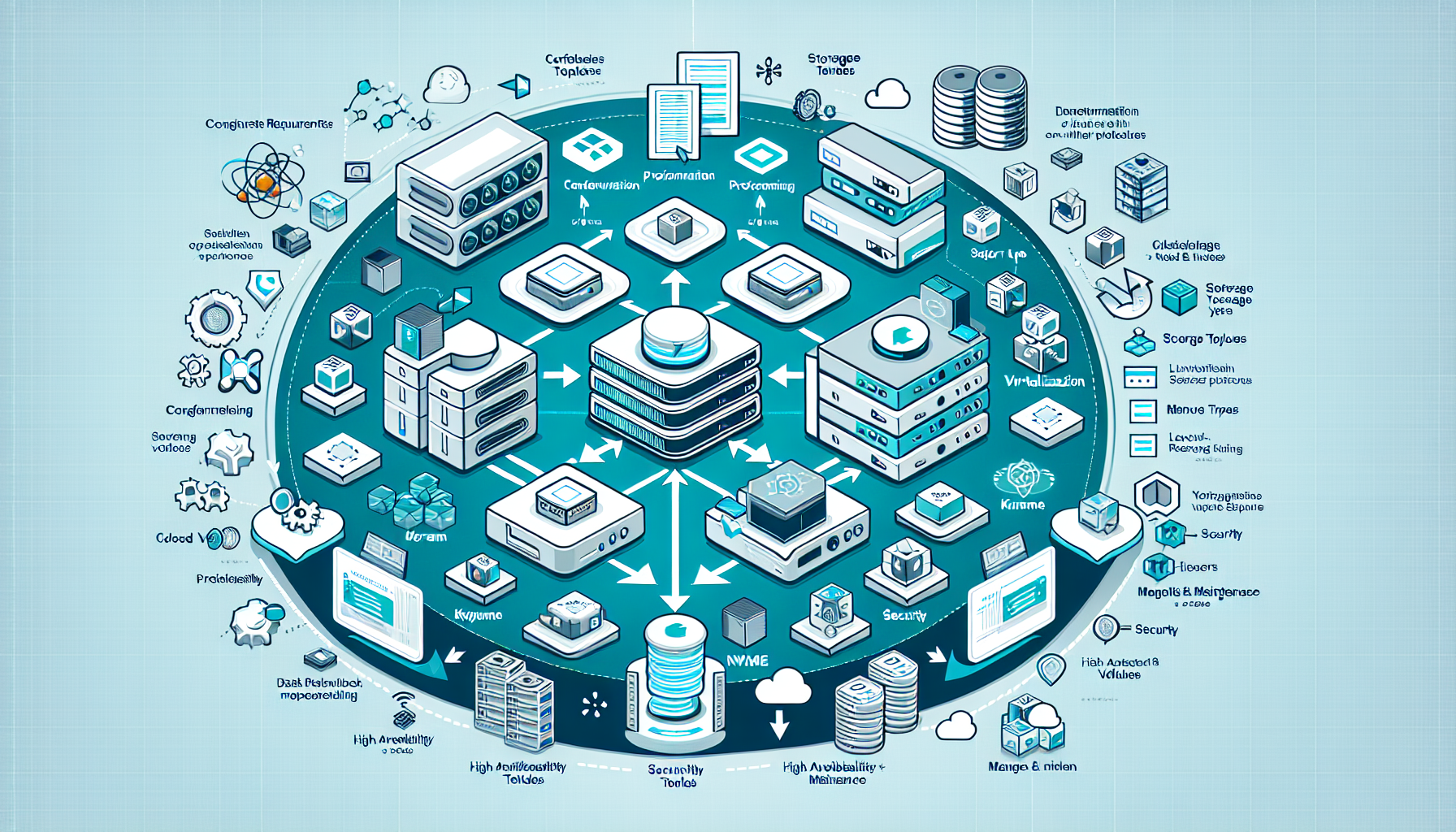
How do I integrate storage with virtualization platforms?

Storage integration makes or breaks a virtualization platform. Get it wrong and you’ll chase performance issues forever. Get it right and the infrastructure mostly runs itself. Here’s how to approach it. 1. Assess Your Storage Requirements Determine capacity based on actual VM workloads, not vendor sizing guides. Identify IOPS, throughput, and latency requirements for each […]

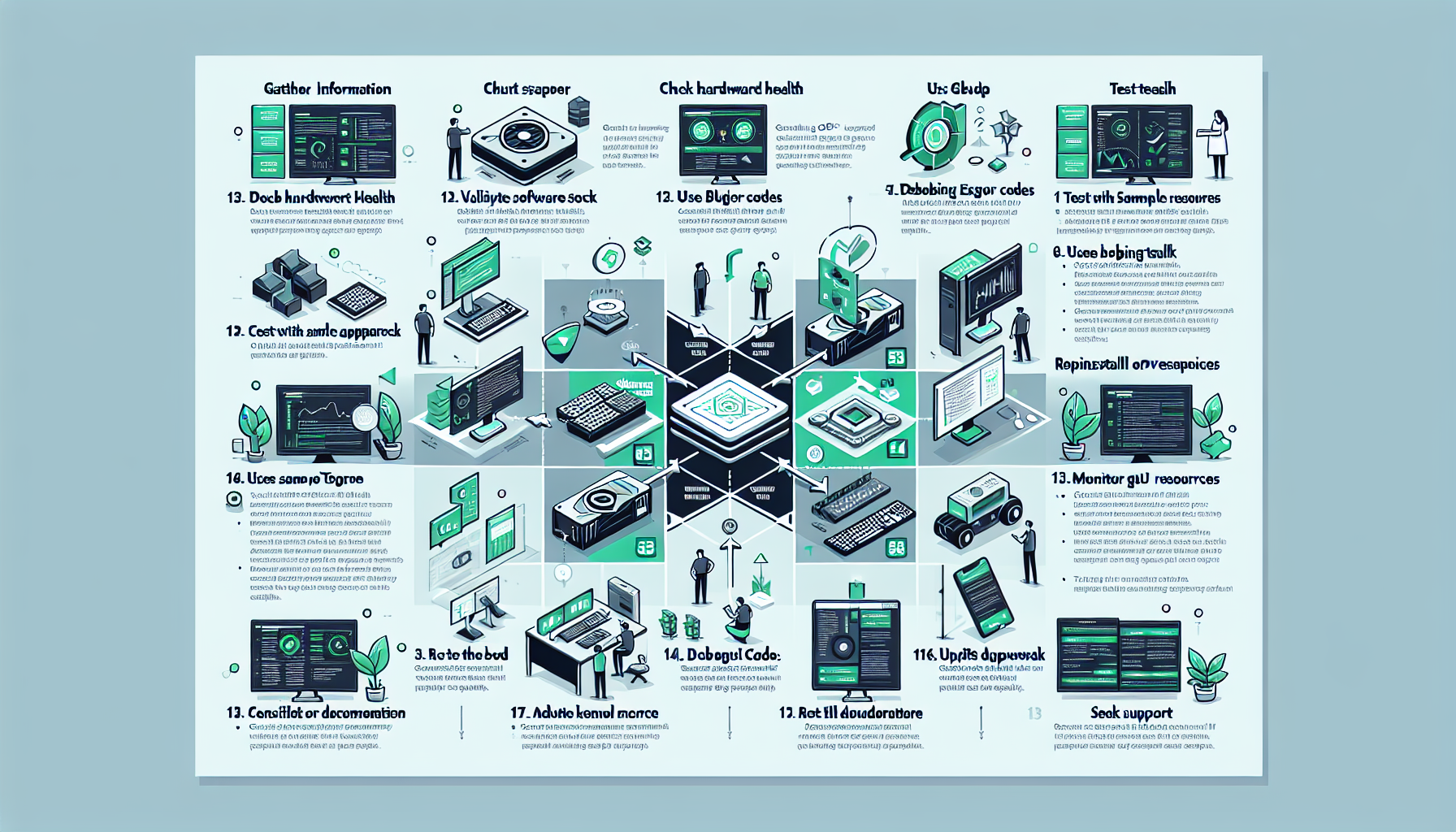
How do I troubleshoot CUDA errors on GPUs?

Troubleshooting CUDA errors on GPUs requires a systematic approach. Here’s a step-by-step guide: 1. Gather Information Before diving in, collect details about the problem: – Error Message: Note the exact CUDA error code or message (e.g., CUDA_ERROR_OUT_OF_MEMORY). – Environment: – GPU model (e.g., NVIDIA A100, RTX 3090). – CUDA version (e.g., CUDA 11.8). – Driver […]

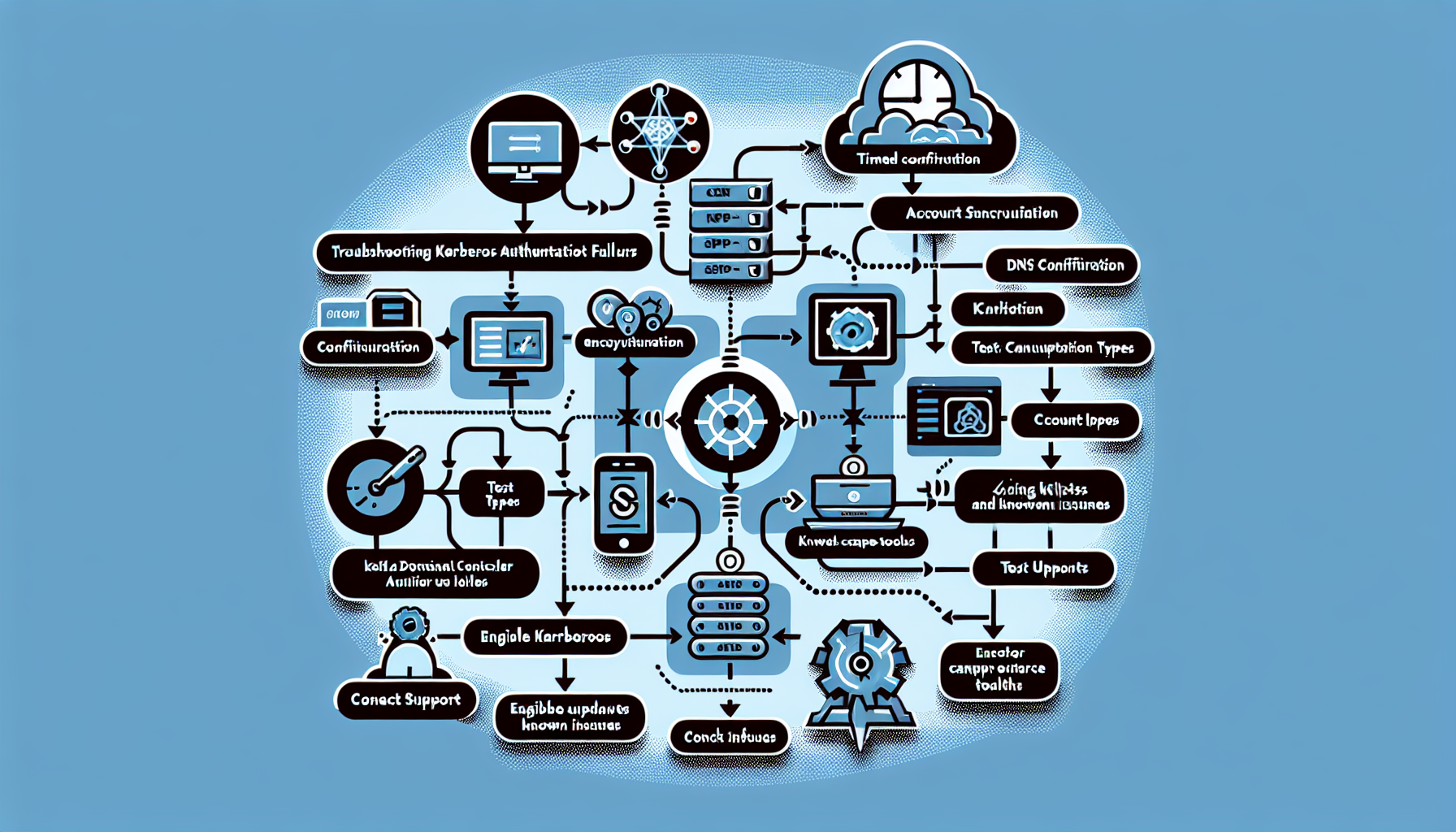
How do I troubleshoot Kerberos authentication failures in Active Directory?

Troubleshooting Kerberos authentication failures in Active Directory requires a structured approach to identify the root cause of the issue. Below are the steps you can follow to diagnose and resolve Kerberos-related problems: 1. Understand the Kerberos Authentication Flow Before troubleshooting, ensure you understand the basic Kerberos authentication process: – A client requests a Ticket Granting […]

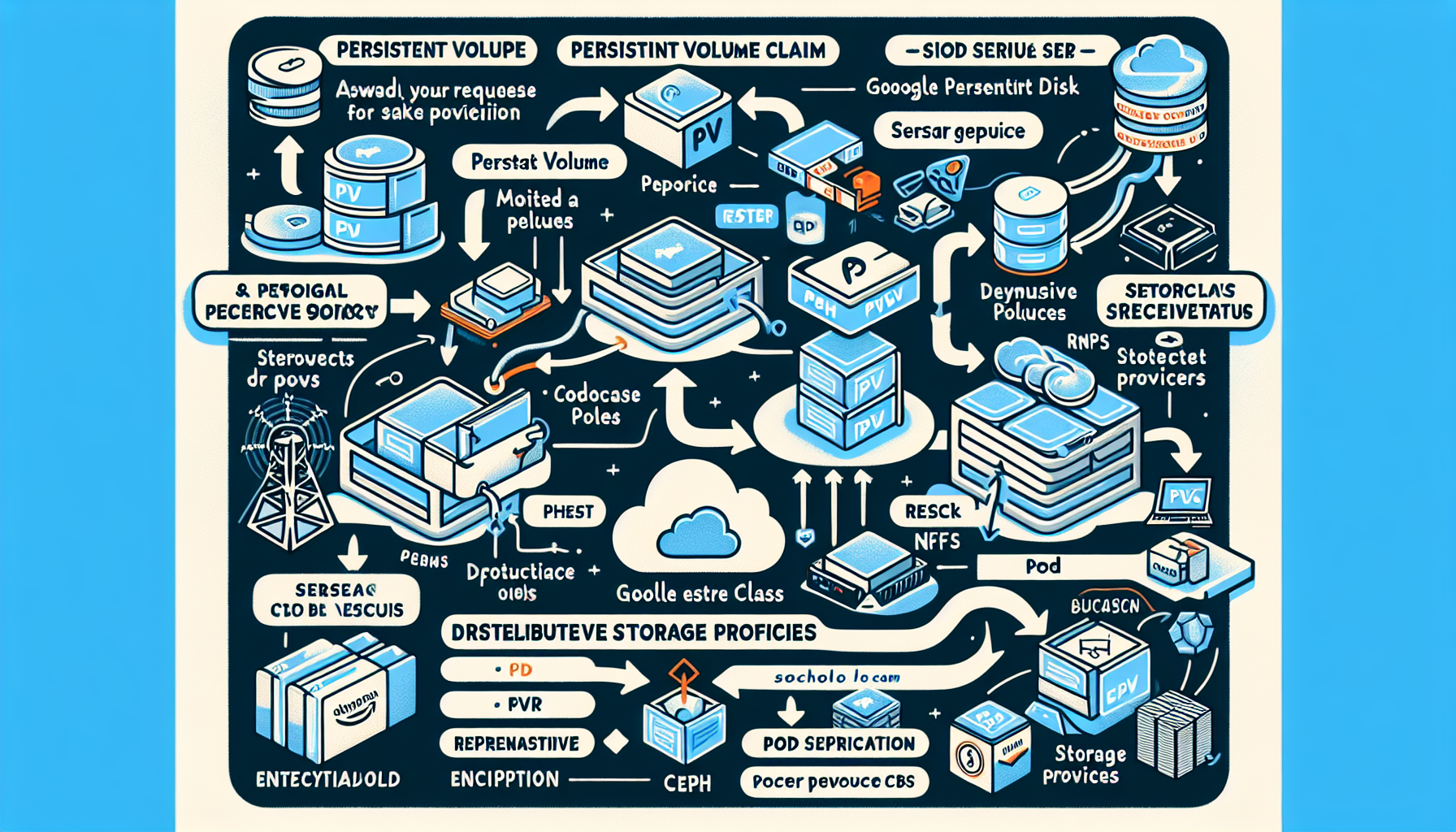
How do I manage persistent storage in Kubernetes?

Managing persistent storage in Kubernetes takes a few moving parts. Here’s how the pieces fit together. 1. Understand Kubernetes Storage Concepts Kubernetes abstracts storage through three main objects: PersistentVolume (PV): A piece of storage in the cluster — local disk, NFS, iSCSI, cloud block volume, etc. PersistentVolumeClaim (PVC): A pod’s request for storage. PVCs bind […]

How do I configure IT infrastructure for real-time collaboration tools?

Real-time collaboration tools — Microsoft Teams, Zoom, Slack, Google Workspace — run mostly in the vendor’s cloud. Your infrastructure job is network, identity, endpoint, and (if you self-host any components) the supporting servers and storage. Here’s the practical breakdown. 1. Assess Requirements Collaboration tools: List what you’re running (Teams, Zoom, Slack, Google Workspace, or self-hosted […]

Scroll to top