How do I automate server monitoring and alerts using tools like Nagios or Zabbix?

Automating server monitoring and alerts keeps your infrastructure reliable. Nagios and Zabbix are two widely used tools for this. Here’s how to set them up: 1. Define Your Monitoring Requirements Identify the servers, applications, and services that need monitoring. Decide on key metrics: CPU usage, memory usage, disk space, network traffic, service availability, etc. Define […]
How do I configure IT infrastructure for live streaming platforms?

Configuring infrastructure for a live streaming platform means solving for four things: ingest bandwidth, transcode capacity, egress delivery, and the control plane that ties them together. Here’s how to size and connect each layer. 1. Size the workload first a. Bandwidth and network capacity Estimate peak concurrent viewers and their geographic distribution. Calculate egress: viewers […]

Best practices for securing APIs in IT environments

Securing APIs matters because they’re often the gateway to sensitive data and functionality. Here are the practices that actually work: 1. Use strong authentication and authorization Authentication: Require API consumers to authenticate using secure methods such as OAuth 2.0, OpenID Connect, or API keys. Avoid hardcoding credentials into code. Authorization: Implement role-based access control (RBAC) […]

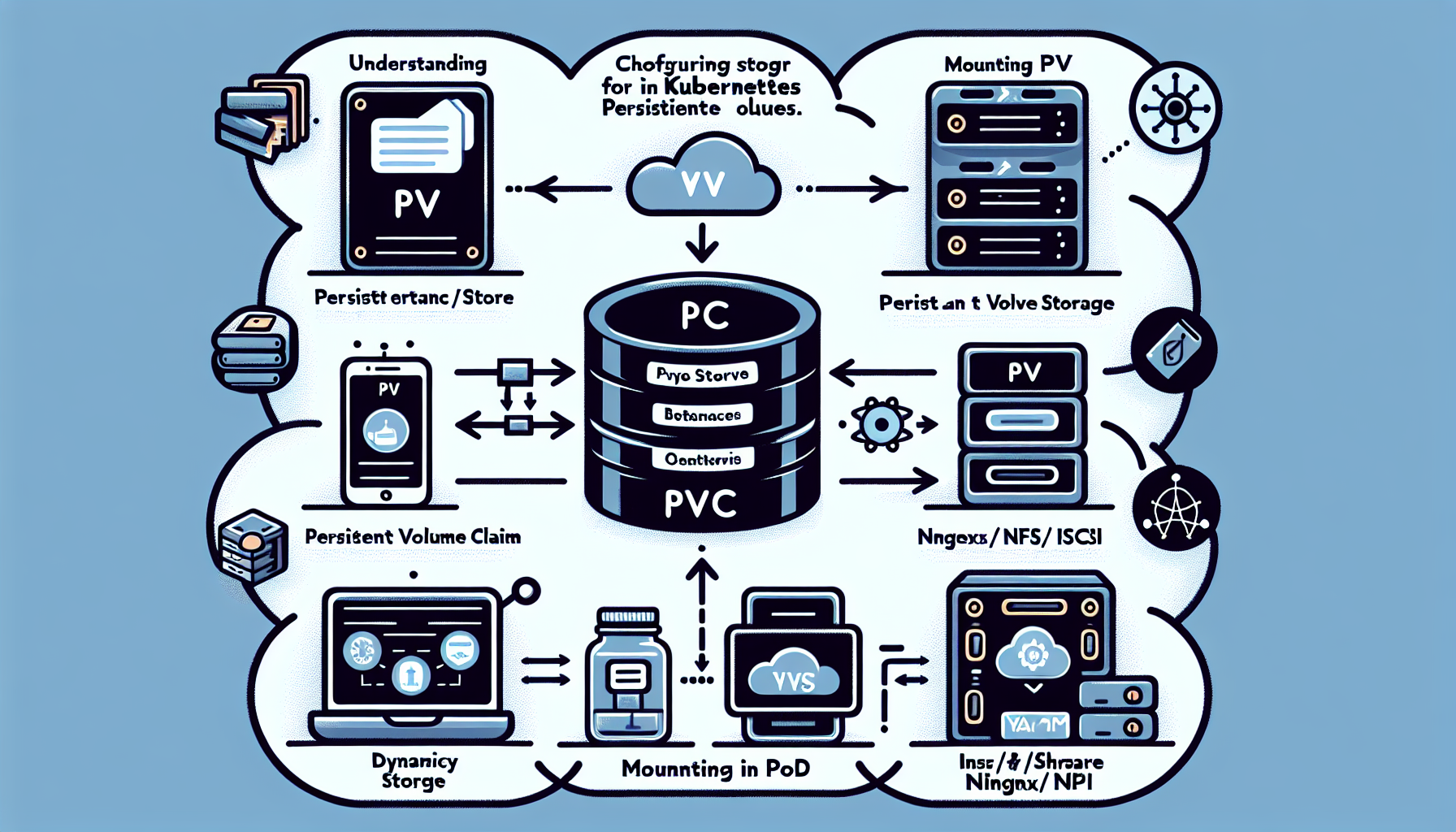
How do I configure storage for Kubernetes persistent volumes?

Configuring storage for Kubernetes Persistent Volumes (PVs) involves several steps: 1. Understand Persistent Volumes (PV) and Persistent Volume Claims (PVC) Persistent Volume (PV): A cluster resource that represents physical storage. Persistent Volume Claim (PVC): A request for storage by a pod. It allows pods to use the PV. 2. Choose a Storage Backend Kubernetes supports […]

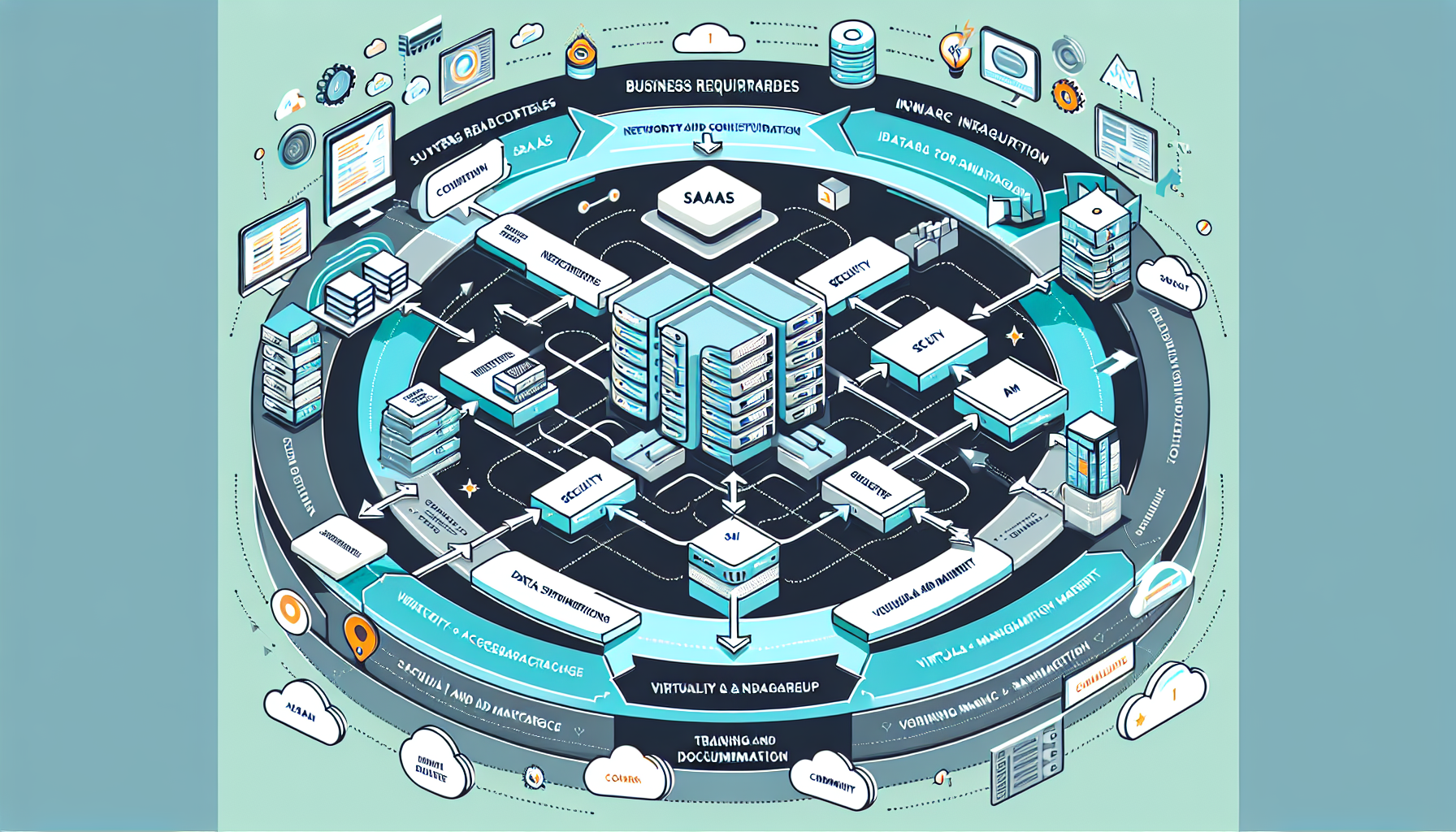
How do I configure IT infrastructure for SaaS integration?

Configuring IT infrastructure for SaaS integration starts with knowing what you’re connecting, why, and what the business will hold you accountable for. Here’s a practical breakdown. 1. Define Business Requirements Use cases: Pin down the exact business problems the integration solves. Scalability: Estimate growth in users, data volume, and API calls so the network and […]

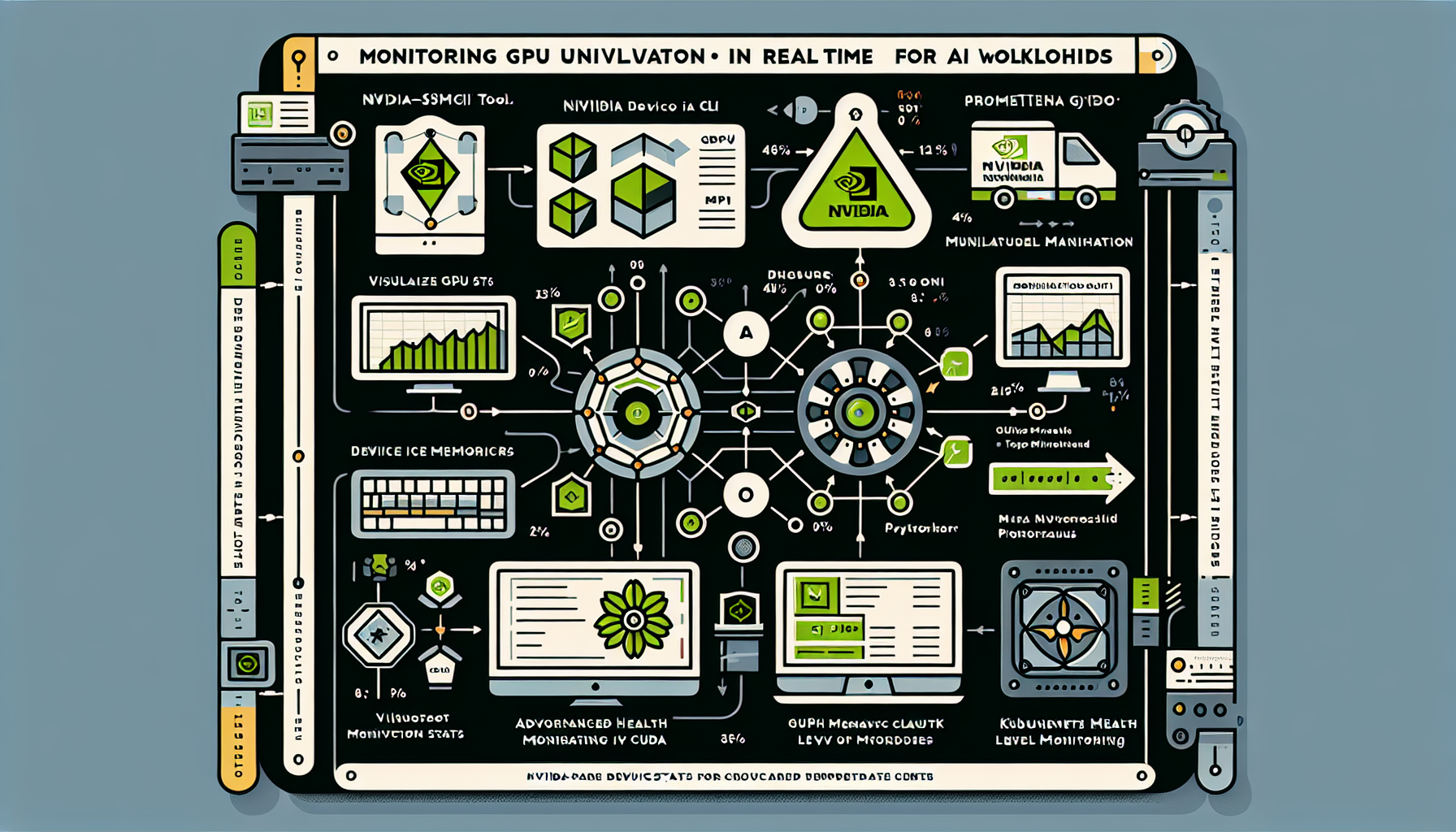
How do I monitor GPU utilization in real time for AI workloads?

Monitoring GPU utilization in real time for AI workloads is critical to ensure that your hardware resources are being effectively utilized and to identify potential bottlenecks. Here are some effective ways to monitor GPU utilization across various platforms and tools: 1. Use NVIDIA-Specific Tools If you’re using NVIDIA GPUs, NVIDIA provides several tools for monitoring […]

Scroll to top