How do I reduce cooling costs in a datacenter?

You can cut datacenter cooling costs with these strategies: 1. Optimize Airflow Management Seal Gaps and Leaks: Install blanking panels in every empty rack U to stop hot exhaust from recirculating to cold aisles. Seal cable cutouts in raised floors and gaps around ductwork. Hot/Cold Aisle Containment: Contain either the hot aisle or the cold […]

How do I configure sudo privileges for specific users on Linux systems?

You configure sudo privileges for specific users by editing the sudoers file or adding a custom file under /etc/sudoers.d. Here’s how: Step 1: Edit the sudoers File Open a terminal and log in as a user with administrative privileges. Use visudo to safely edit the sudoers file. This command checks syntax and prevents lockouts: sudo […]

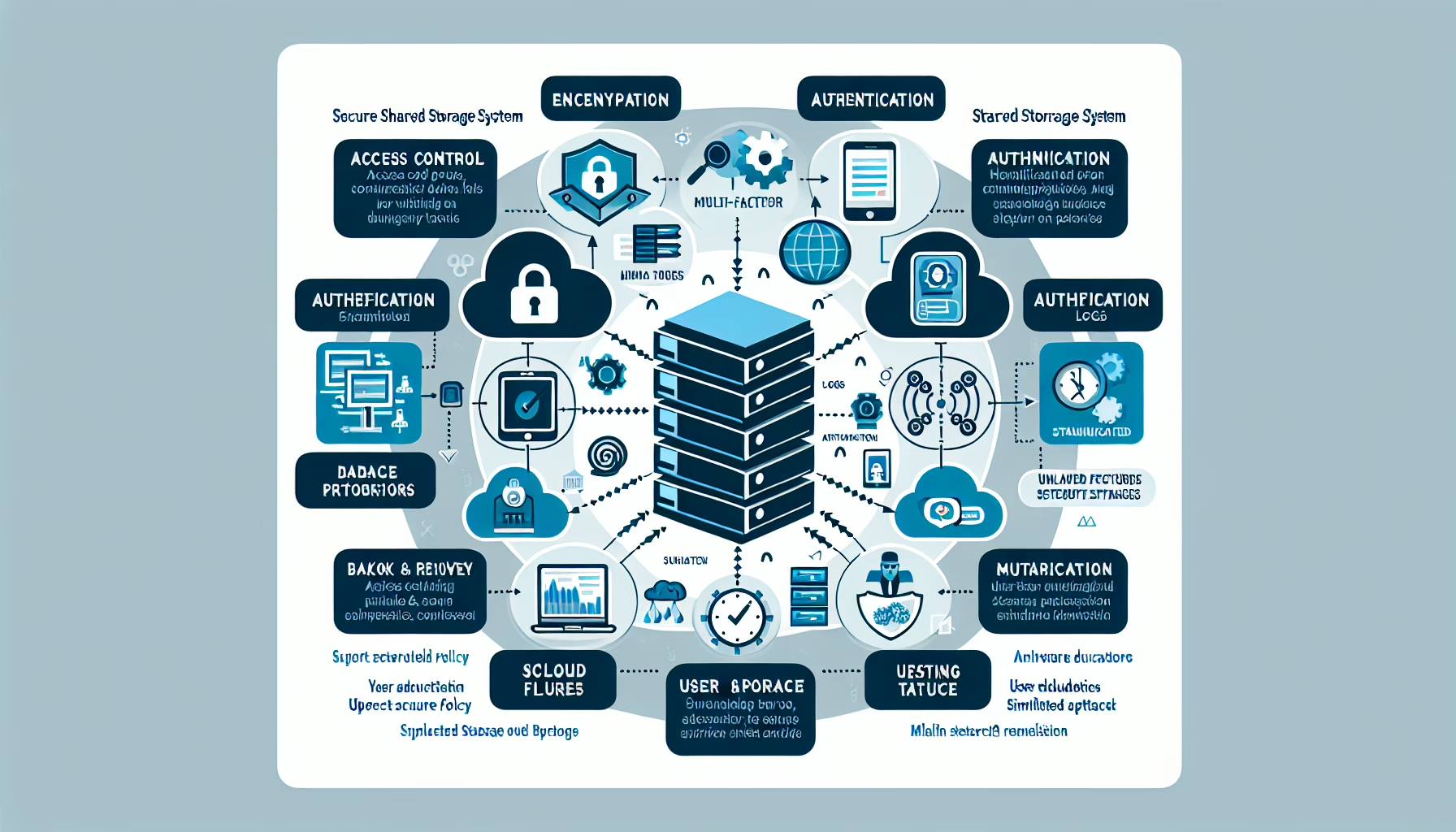
How do I secure data on shared storage systems?

Securing data on shared storage systems prevents unauthorized access, data loss, and corruption. Here are the key practices: 1. Implement Access Control Policies Role-Based Access Control (RBAC): Assign permissions based on roles so users only access the data they need. Least Privilege Principle: Limit access rights to the minimum required for users or services to […]

How do I implement edge computing within a datacenter?

1. Define Use Cases and Requirements Identify workloads that need low latency, high bandwidth, or real-time processing — AI inference, IoT, video analytics. Clarify the business objectives: reducing latency, improving performance, offloading central datacenter resources. Assess how the edge solution will scale over time and accommodate future needs. 2. Plan the Edge Architecture Design a […]

What are the best practices for configuring RAID 10 for high write workloads?

RAID 10 combines mirroring (RAID 1) and striping (RAID 0), giving you high I/O performance and redundancy — ideal for write-heavy workloads. Here are the practices that matter. 1. Select Enterprise-Grade Disks Use enterprise SSDs or HDDs rated for high write endurance. SSDs generally deliver better write speeds for intensive workloads. Match capacity, speed, and […]

What are the best practices for server patch management?

Patch management keeps your servers secure, stable, and performing. Here are the practices that work in production: 1. Establish a Patch Management Policy Document the process: roles, responsibilities, timelines, and procedures. Define criticality: categorize patches by importance — security, stability, feature updates. Compliance: align the policy with standards like GDPR, PCI-DSS, or HIPAA. 2. Inventory […]

Scroll to top