How do I perform a bare-metal restore for critical servers?

A bare-metal restore recovers a server from scratch after hardware failure, data corruption, or a similar catastrophe. Here’s how to do it: Preparation Before Disaster Have these in place before you need them: Regular backups: Implement a strategy (full, differential, incremental). Use enterprise tools (Veeam, Commvault, Veritas NetBackup, Acronis). Store copies on-premises, in cloud, and […]

How do I troubleshoot IT infrastructure multicast issues?

1. Understand the Multicast Setup Before you start troubleshooting, map out how multicast runs in your environment: Applications: Identify every service using multicast — video streams, backup replication, distributed databases, etc. Network design: Document the topology: switches, routers, firewalls. Confirm multicast routing is enabled where needed. Group addresses: Verify the exact multicast ranges in use […]

How do I troubleshoot IT infrastructure API failures?

Troubleshooting API failures in your infrastructure takes a systematic approach. Here’s a practical guide to track down the root cause and fix it. 1. Understand the Scope of the Issue Gather details: determine which API endpoints are failing and identify the affected users, applications, or services. Collect error codes, stack traces, logs, or any descriptive […]

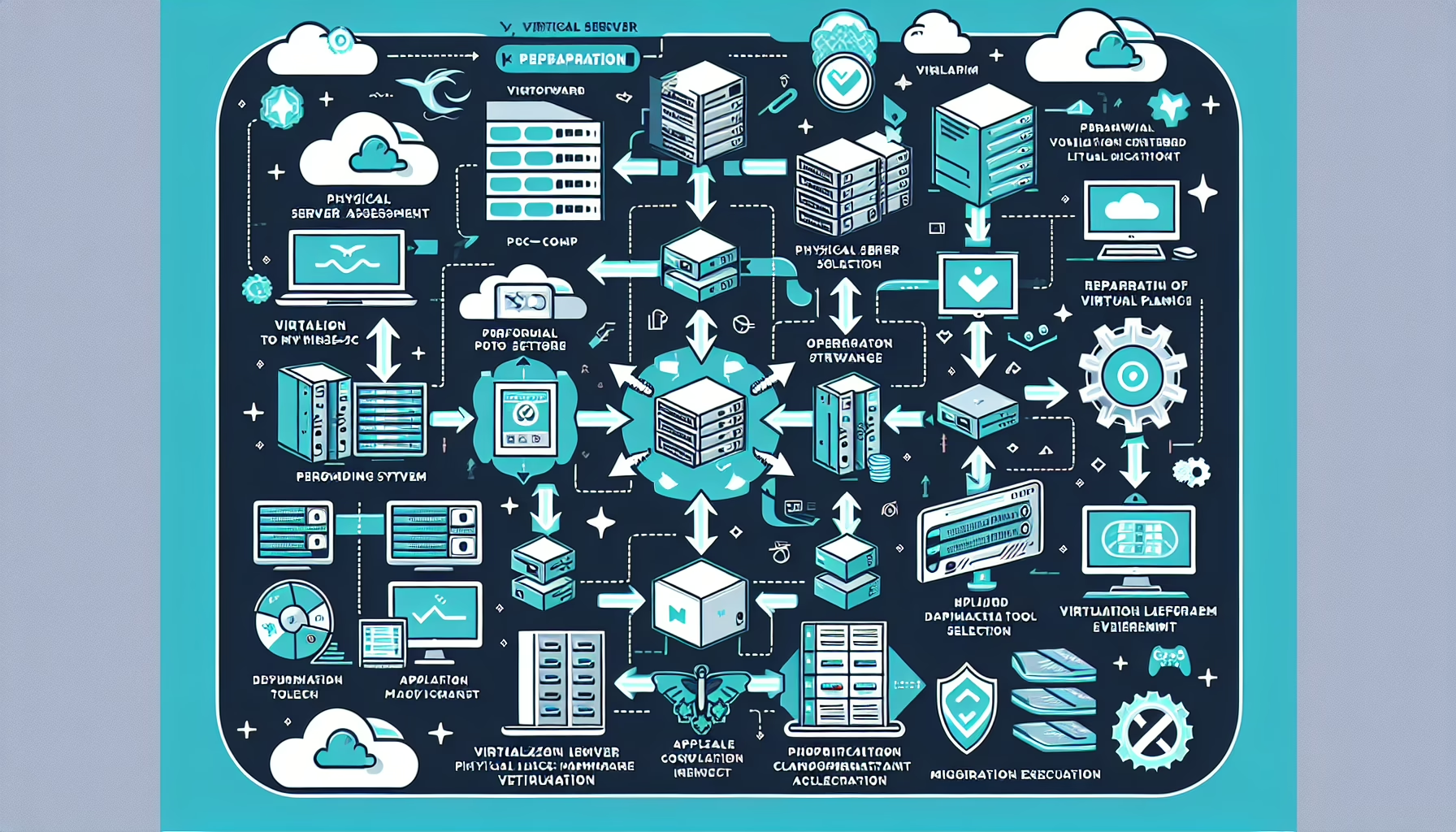
How do I migrate physical servers to virtual machines (P2V)?

Migrating physical servers to virtual machines (P2V) is standard practice when consolidating infrastructure, improving scalability, or modernizing a data center. Here’s how to do it. 1. Assess the Physical Server Environment Before you start, gather detailed information about each physical server: Hardware specifications: CPU, memory, storage, NICs Operating system and software: version, installed applications, drivers, […]

How do I set up a storage cluster for high availability?

Setting up a storage cluster for high availability requires planning, the right hardware and software, and configuration for redundancy, fault tolerance, and automatic failover. Here’s a step-by-step guide for data center and storage infrastructure teams: Step 1: Define Requirements Capacity: Estimate storage needs for current and future workloads. Performance: Determine IOPS, latency, and throughput requirements. […]

How do I ensure datacenter redundancy and failover capabilities?

Design your datacenter for redundancy from the ground up. Here’s what that looks like in practice: 1. Design for Redundancy Geographic redundancy: Use multiple datacenters in different regions to survive regional disasters. Power redundancy: Run diverse power feeds, UPS units, and generators so no single point kills the floor. Network redundancy: Connect to multiple ISPs […]

Scroll to top