Applications

How do I implement georedundancy for IT infrastructure?

Implementing georedundancy for IT infrastructure means designing systems and processes that keep your applications, data, and services available and secure even when a disaster or outage takes down an entire geographic location. Here’s a practical guide: 1. Understand Your Requirements RPO (Recovery Point Objective): How much data loss is acceptable? This drives replication frequency. RTO […]
How do I configure and troubleshoot NTP (Network Time Protocol) for time synchronization?

Configuring NTP Install NTP Linux: Install the NTP package using your package manager: sudo apt update && sudo apt install ntp or sudo yum install ntp Note: Many current distributions (RHEL 8+, Debian 10+, Ubuntu 20.04+) use chrony or systemd-timesyncd by default. If ntp isn’t available, install chrony instead. Windows: NTP functionality is built into […]

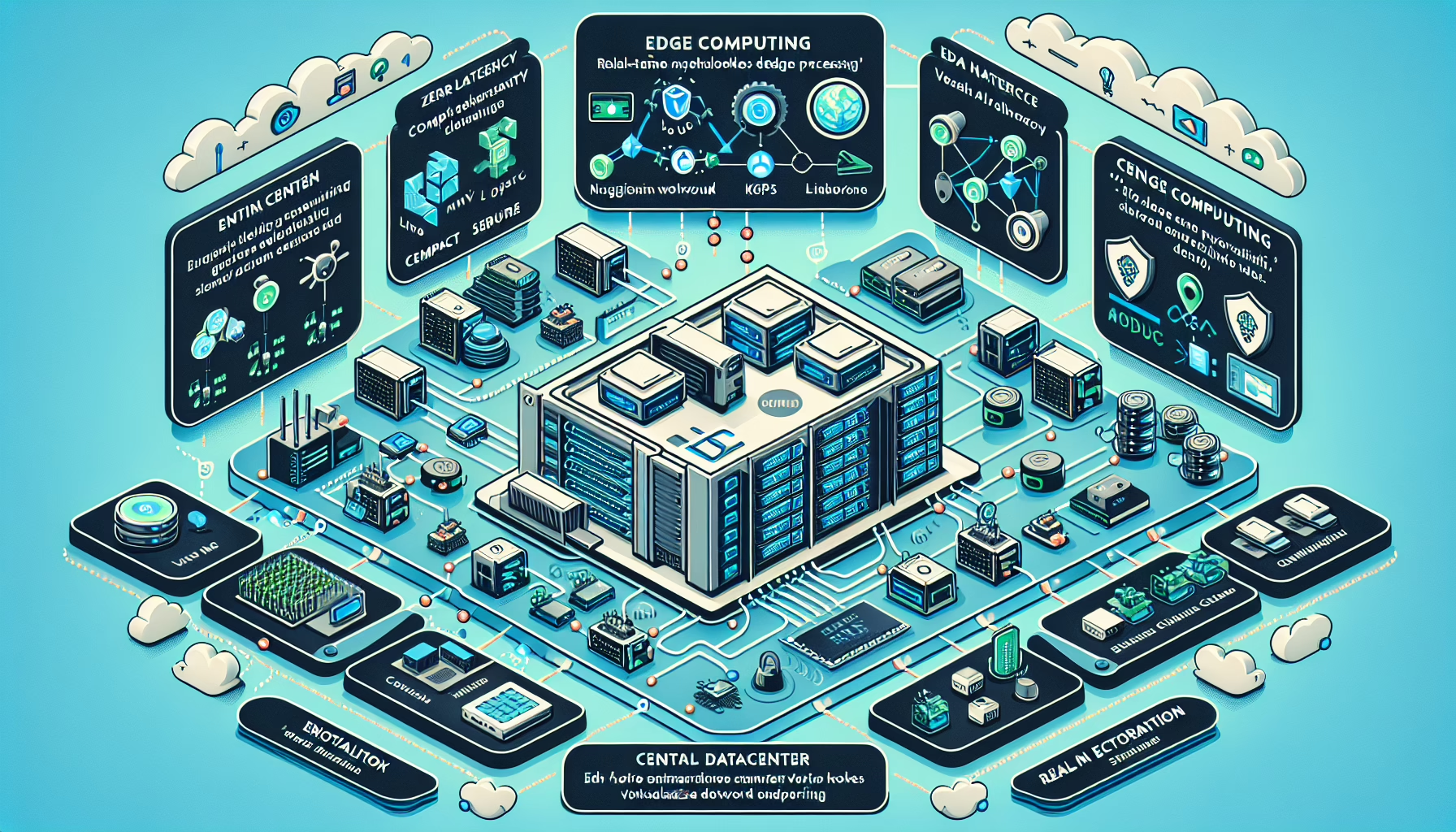
How do I implement edge computing within a datacenter?

1. Define Use Cases and Requirements Identify workloads that need low latency, high bandwidth, or real-time processing — AI inference, IoT, video analytics. Clarify the business objectives: reducing latency, improving performance, offloading central datacenter resources. Assess how the edge solution will scale over time and accommodate future needs. 2. Plan the Edge Architecture Design a […]

What are the best practices for configuring RAID 10 for high write workloads?

RAID 10 combines mirroring (RAID 1) and striping (RAID 0), giving you high I/O performance and redundancy — ideal for write-heavy workloads. Here are the practices that matter. 1. Select Enterprise-Grade Disks Use enterprise SSDs or HDDs rated for high write endurance. SSDs generally deliver better write speeds for intensive workloads. Match capacity, speed, and […]

What are the best practices for server patch management?

Patch management keeps your servers secure, stable, and performing. Here are the practices that work in production: 1. Establish a Patch Management Policy Document the process: roles, responsibilities, timelines, and procedures. Define criticality: categorize patches by importance — security, stability, feature updates. Compliance: align the policy with standards like GDPR, PCI-DSS, or HIPAA. 2. Inventory […]

How do I configure IT infrastructure for hybrid cloud data sharing?

Configuring IT infrastructure for hybrid cloud data sharing means integrating on-premises and cloud environments so data moves securely, performs well, and scales. Here are the steps and considerations. 1. Define Business Requirements Data Types: Identify what you’re sharing — structured, unstructured, sensitive, regulated. Use Cases: Analytics, disaster recovery, collaboration, burst compute — each drives different […]

Scroll to top