Applications

How do I troubleshoot IT infrastructure multicast issues?

1. Understand the Multicast Setup Before you start troubleshooting, map out how multicast runs in your environment: Applications: Identify every service using multicast — video streams, backup replication, distributed databases, etc. Network design: Document the topology: switches, routers, firewalls. Confirm multicast routing is enabled where needed. Group addresses: Verify the exact multicast ranges in use […]
How do I troubleshoot IT infrastructure API failures?

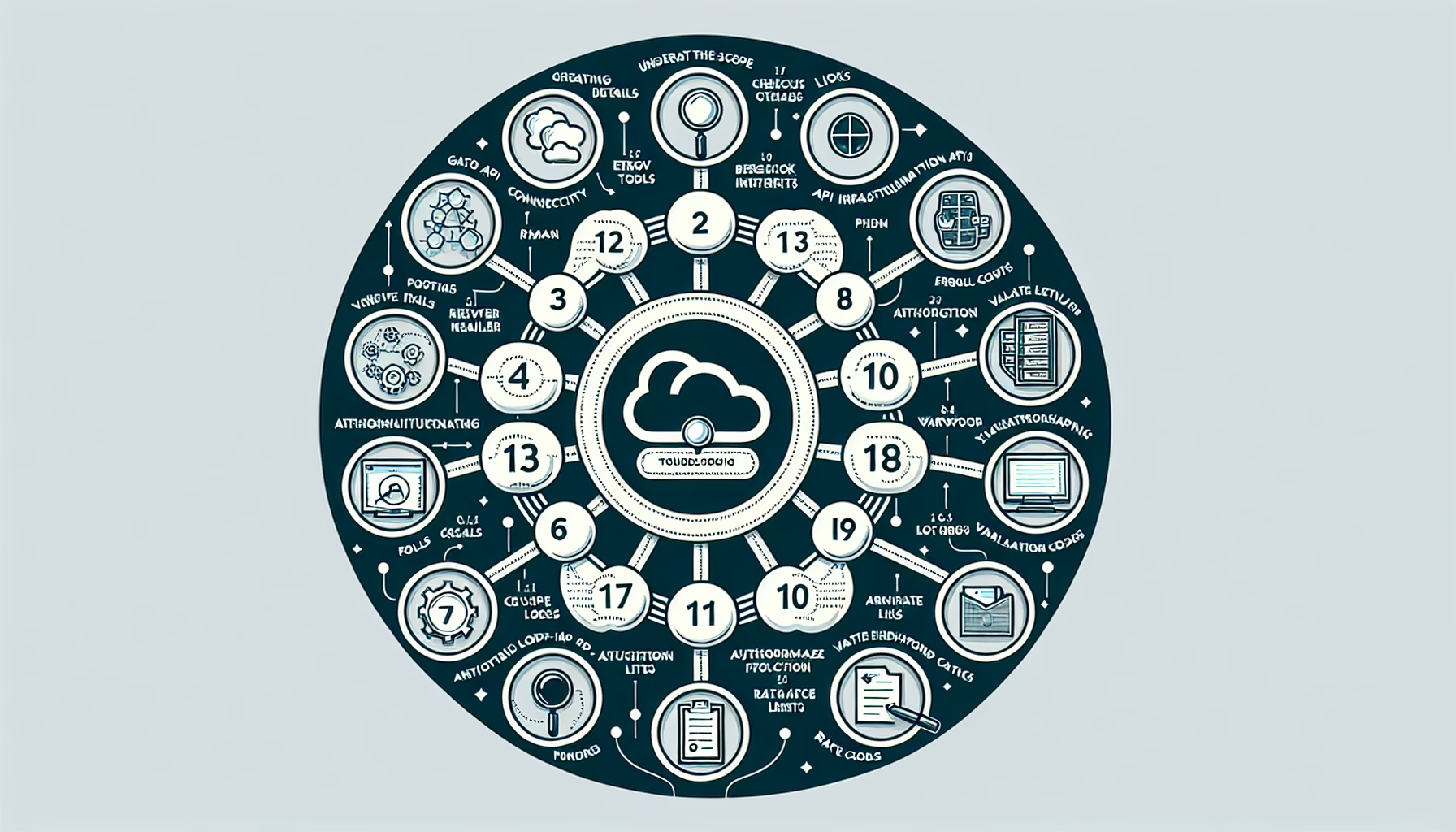
Troubleshooting API failures in your infrastructure takes a systematic approach. Here’s a practical guide to track down the root cause and fix it. 1. Understand the Scope of the Issue Gather details: determine which API endpoints are failing and identify the affected users, applications, or services. Collect error codes, stack traces, logs, or any descriptive […]

How do I migrate physical servers to virtual machines (P2V)?

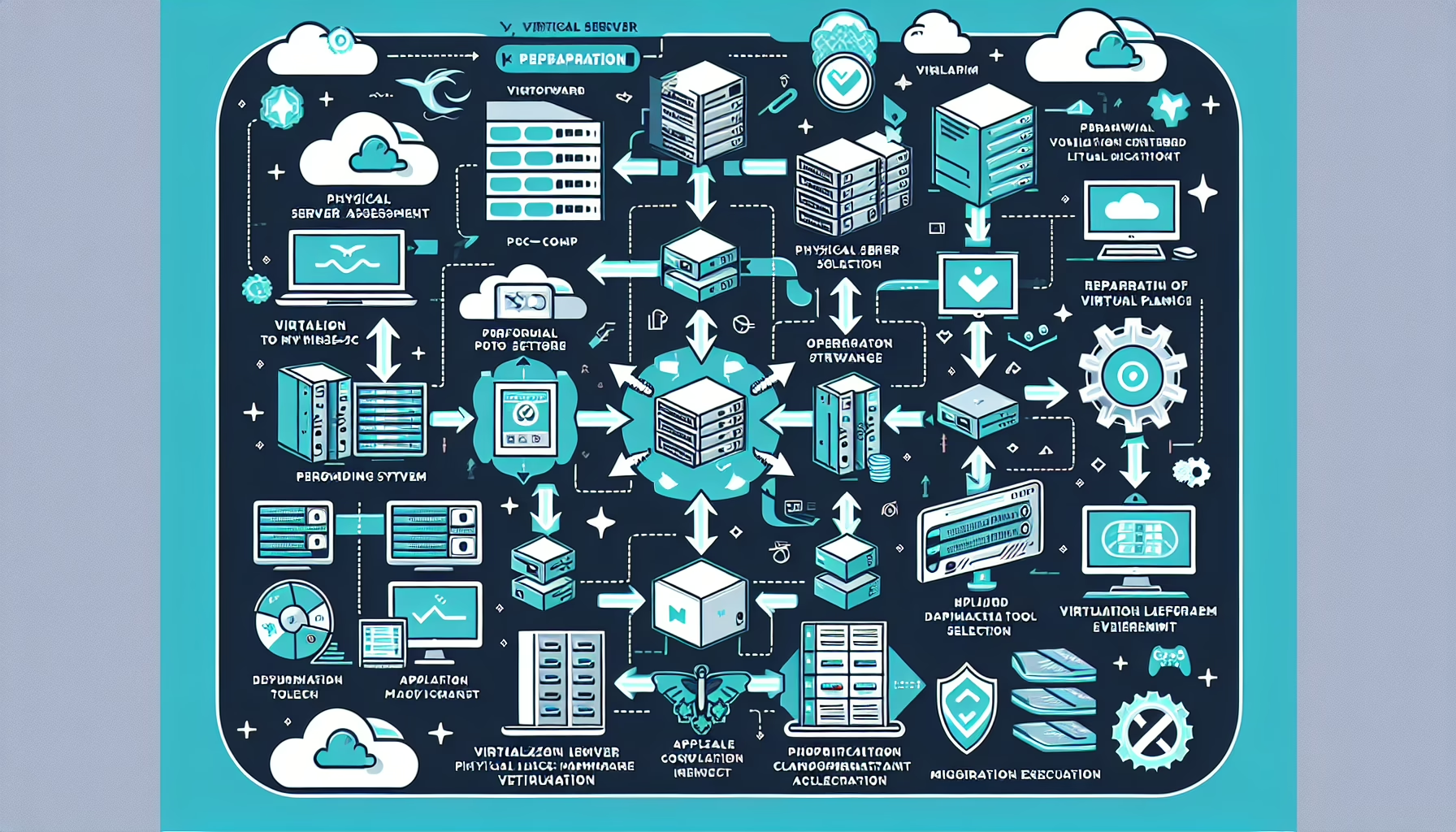
Migrating physical servers to virtual machines (P2V) is standard practice when consolidating infrastructure, improving scalability, or modernizing a data center. Here’s how to do it. 1. Assess the Physical Server Environment Before you start, gather detailed information about each physical server: Hardware specifications: CPU, memory, storage, NICs Operating system and software: version, installed applications, drivers, […]

How do I set up a storage cluster for high availability?

Setting up a storage cluster for high availability requires planning, the right hardware and software, and configuration for redundancy, fault tolerance, and automatic failover. Here’s a step-by-step guide for data center and storage infrastructure teams: Step 1: Define Requirements Capacity: Estimate storage needs for current and future workloads. Performance: Determine IOPS, latency, and throughput requirements. […]

How do I ensure datacenter redundancy and failover capabilities?

Design your datacenter for redundancy from the ground up. Here’s what that looks like in practice: 1. Design for Redundancy Geographic redundancy: Use multiple datacenters in different regions to survive regional disasters. Power redundancy: Run diverse power feeds, UPS units, and generators so no single point kills the floor. Network redundancy: Connect to multiple ISPs […]

How do I configure IT infrastructure for video conferencing systems?

Video conferencing infrastructure lives at the intersection of network, compute, and storage. Get any of the three wrong and users feel it immediately. Here’s what to plan for. 1. Assess Requirements User count: internal and external participants Concurrent meetings: peak simultaneous sessions Bandwidth: calculate per-stream needs for video, audio, and screen sharing Client platforms: Windows, […]

Scroll to top