storage optimization

How do I troubleshoot slow backup speeds?

Slow backups usually mean something in the chain — network, storage, source, or software — isn’t keeping up. Here’s how to find the bottleneck. Step 1: Assess the Backup Environment Understand the workload. What type of data? Large files, small files, databases? Is the backup incremental, differential, or full? Check backup frequency. Are jobs running […]
What are the best practices for configuring RAID 10 for high write workloads?

RAID 10 combines mirroring (RAID 1) and striping (RAID 0), giving you high I/O performance and redundancy — ideal for write-heavy workloads. Here are the practices that matter. 1. Select Enterprise-Grade Disks Use enterprise SSDs or HDDs rated for high write endurance. SSDs generally deliver better write speeds for intensive workloads. Match capacity, speed, and […]

How do I optimize ZFS file systems for high-throughput workloads?

Optimizing ZFS for high-throughput workloads means tuning at the hardware, pool, and workload levels. Here are the practices that matter. 1. Hardware Considerations a. Storage Devices Use high-endurance, low-latency SSDs or NVMe drives for the SLOG (Separate Log Device) to accelerate synchronous writes. Add fast SSDs or NVMe for L2ARC to extend read caching beyond […]

How do I optimize IT infrastructure for large-scale data migrations?

Large-scale data migrations live or die by infrastructure preparation. The steps below cover what actually moves the needle. 1. Assess the Scope of Migration Analyze the size, type, structure, and sensitivity of the data to be migrated. Evaluate the current infrastructure (source) and destination (on-premises, cloud, or hybrid). Identify dependencies on applications, databases, and services […]

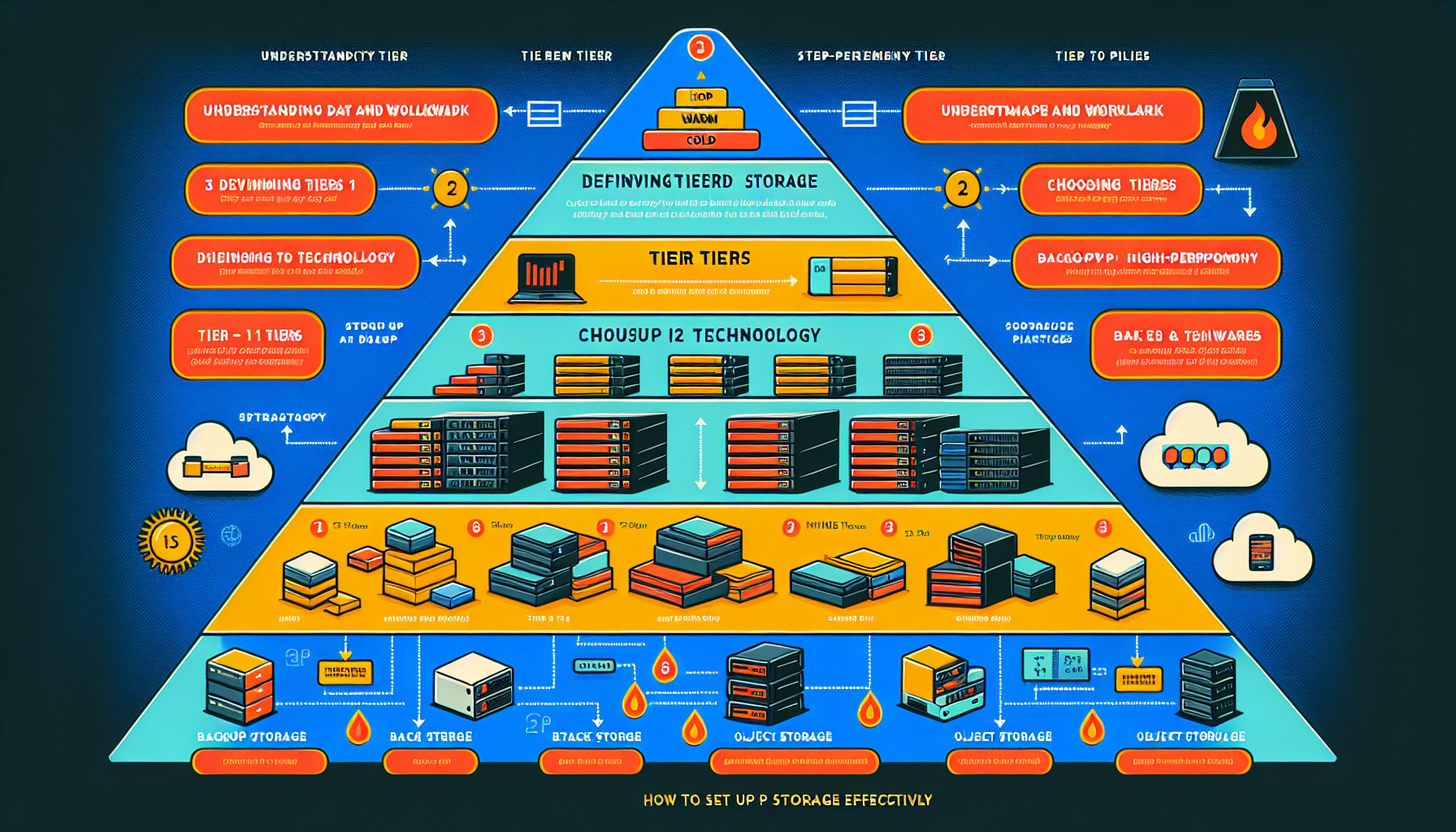
What is the best way to set up tiered storage?

Tiered storage organizes data across different media types to balance performance, capacity, and cost. Here’s how to set it up: 1. Understand Your Data and Workload Monitor read/write frequency, latency needs, and usage trends to identify hot, warm, and cold data. Classify data by performance, latency, and retention requirements (production, archival, backups, etc.). 2. Define […]

Scroll to top