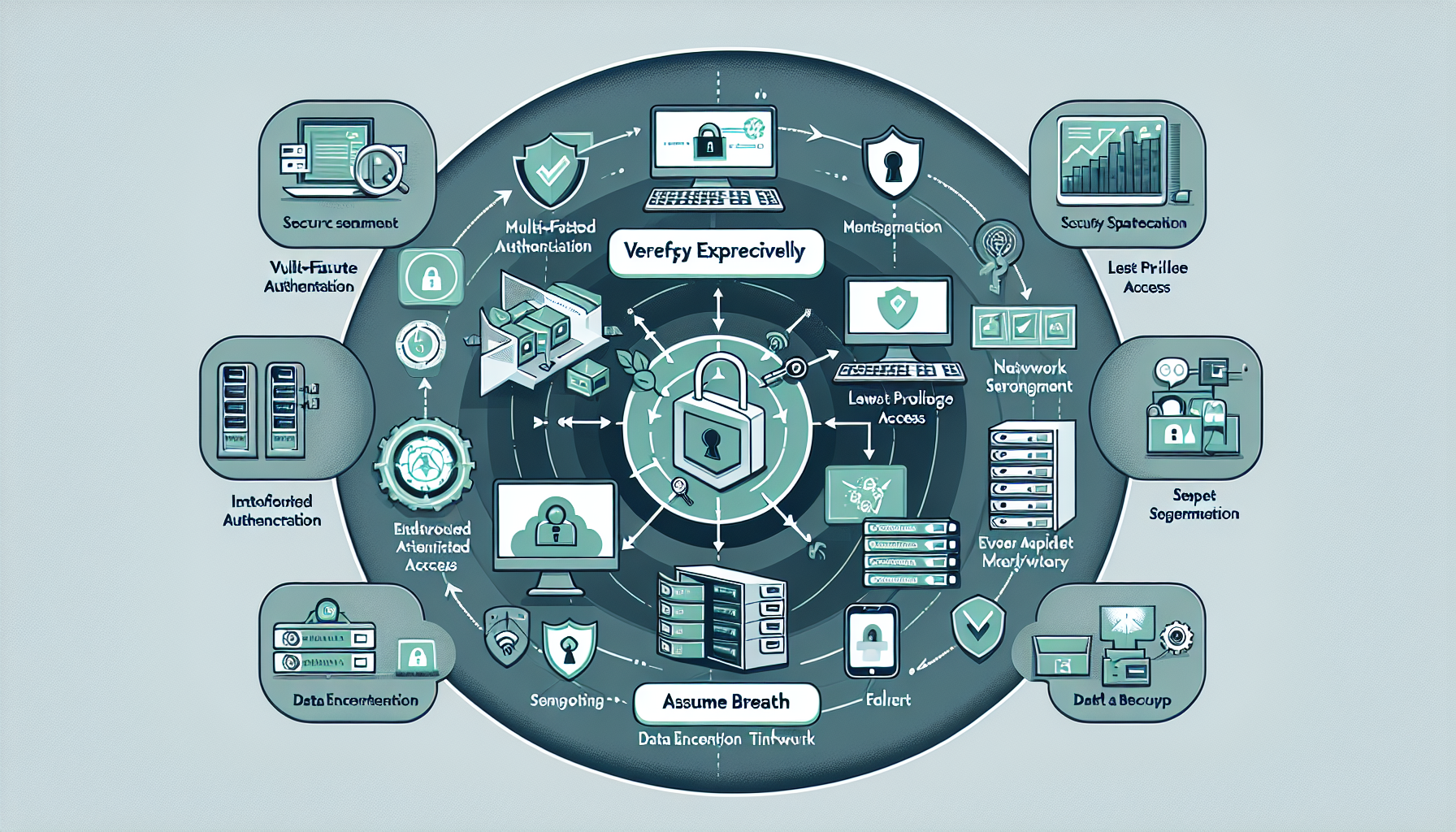
How do I implement a zero-trust security model in IT infrastructure?

Implementing a zero-trust security model in your IT infrastructure is a critical step in ensuring robust protection against modern cybersecurity threats. Below is a step-by-step guide on how to achieve this in an environment that includes datacenters, storage, servers, virtualization, Windows, Linux, Kubernetes, and AI workloads: 1. Understand Zero-Trust Principles Zero-trust operates on the principle […]
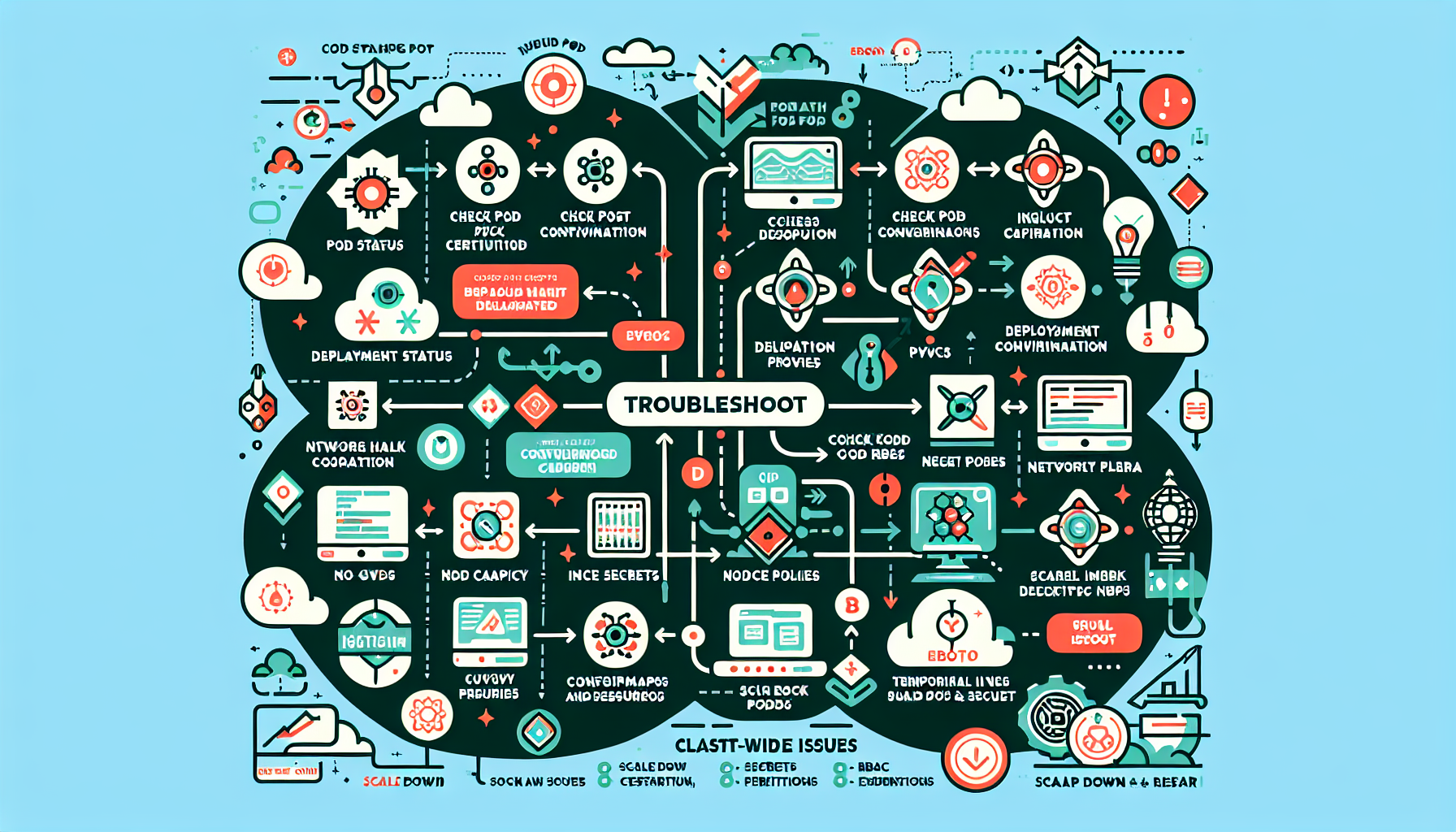
How do I troubleshoot pod deployment issues in Kubernetes?

1. Check the Pod Status Use kubectl get pods to see the pod state: bash kubectl get pods -n <namespace> Statuses you’ll see: Pending: Waiting for resources or scheduling. Running: Pod is running, but may still have issues. CrashLoopBackOff: Repeatedly crashing and restarting. Error: Failed during startup. 2. Inspect Events for Errors Check events in […]

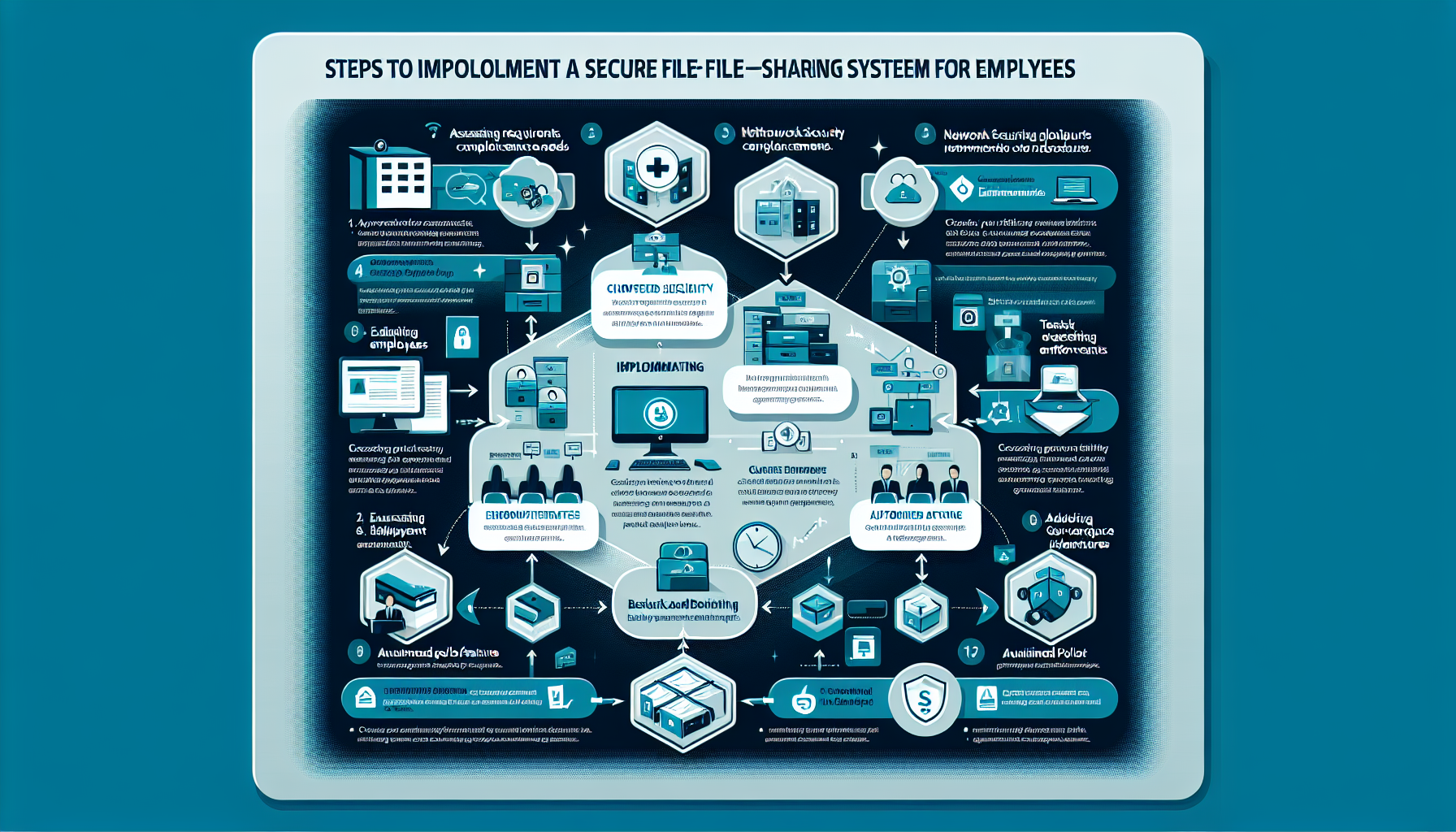
How do I implement a secure file-sharing system for employees?

Implementing a secure file-sharing system for employees involves a combination of choosing the right technology, applying strong security measures, and enforcing organizational policies. Below is a step-by-step guide tailored to ensure data privacy, security, and compliance: 1. Assess Requirements and Compliance Needs Understand the type of data to be shared: Is it sensitive, confidential, or […]

How do I configure IT infrastructure for multi-tenant environments?

Configuring IT infrastructure for multi-tenant environments requires careful planning and execution to ensure isolation, performance, security, and scalability for multiple tenants. A multi-tenant architecture allows multiple customers (tenants) to share the same infrastructure resources while maintaining logical separation. Below is a step-by-step guide to designing and configuring IT infrastructure for multi-tenancy: 1. Understand Tenant Requirements […]

How do I secure IT infrastructure for international operations?

Securing IT infrastructure across borders means juggling compliance, geopolitical risk, and a wider threat surface. Here’s how to approach it. 1. Understand Local Regulations and Compliance Requirements Data Sovereignty: Store and process data per local law — GDPR in Europe, CCPA in California, PDPA in Singapore, and so on. Cross-Border Data Transfers: Use Standard Contractual […]

Best practices for IT infrastructure incident management

Managing IT infrastructure incidents effectively is critical for minimizing downtime, reducing business impact, and ensuring a smooth recovery process. Below are best practices for managing IT infrastructure incidents: 1. Establish an Incident Management Process Define incident types and severity levels. Categorize incidents (e.g., critical, high, medium, low) based on their potential impact on business operations. […]

Scroll to top