How do I secure IT infrastructure for research and development environments?

Research and development environments hold sensitive data, intellectual property, and experimental workloads that make them high-value targets. Here are the key controls to put in place. 1. Understand the Environment and Data Classify data: Identify and categorize sensitive data — intellectual property, proprietary research, customer data. Risk assessment: Map vulnerabilities and threats specific to your […]
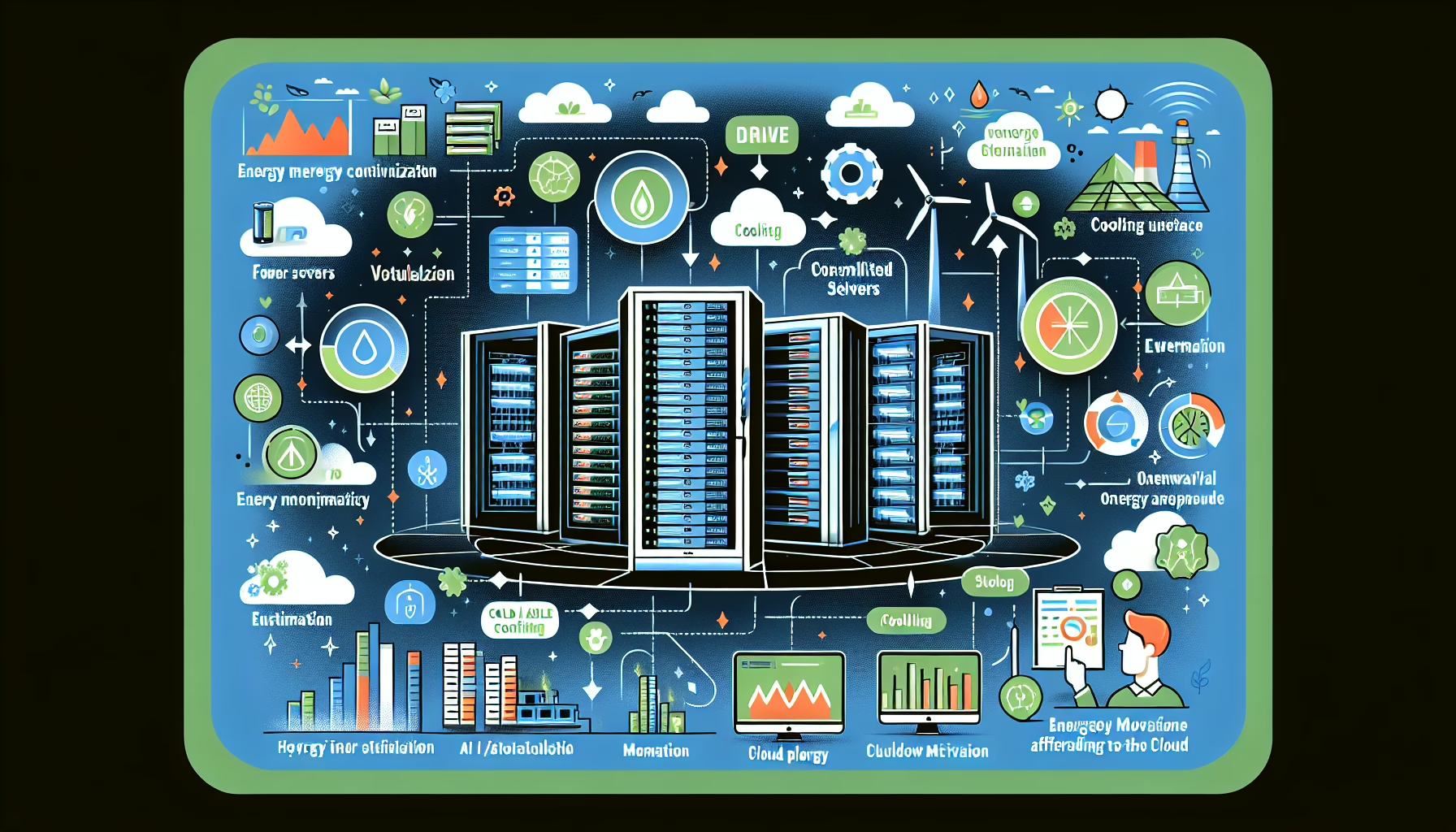
How do I optimize power usage in the datacenter?

Power optimization in a datacenter comes down to three things: measure what you have, eliminate waste, and automate the rest. Here are the strategies that actually move the needle. 1. Assess and Monitor Power Usage Deploy intelligent PDUs or DCIM software to monitor power in real time. Analyze historical data to identify peak consumption and […]

How do I configure SAML for single sign-on (SSO)?

Configuring SAML for Single Sign-On (SSO) involves several steps to integrate an Identity Provider (IdP) with a Service Provider (SP). Below is a general guide to configuring SAML for SSO: Step 1: Understand SAML Roles Identity Provider (IdP): The system providing user authentication (e.g., Azure AD, Okta, Ping Identity). Service Provider (SP): The system relying […]

How do I ensure backups are secure against ransomware attacks?

1. Implement the 3-2-1 Backup Rule Maintain 3 copies of your data: production data and two backups. Store backups on 2 different media types (e.g., disk and tape, or disk and cloud). Keep 1 copy offsite, preferably in a secure cloud or geographically separate facility. 2. Enable Backup Encryption Encrypt backups both in transit and […]

How do I handle VM sprawl in my environment?

Virtual Machine (VM) sprawl is a common challenge for IT managers. It occurs when virtual machines proliferate unchecked, consuming resources, increasing costs, and complicating management. Below are strategies to handle and prevent VM sprawl in your environment: 1. Establish Governance Policies Define clear rules on who can create VMs, under what conditions, and for what […]

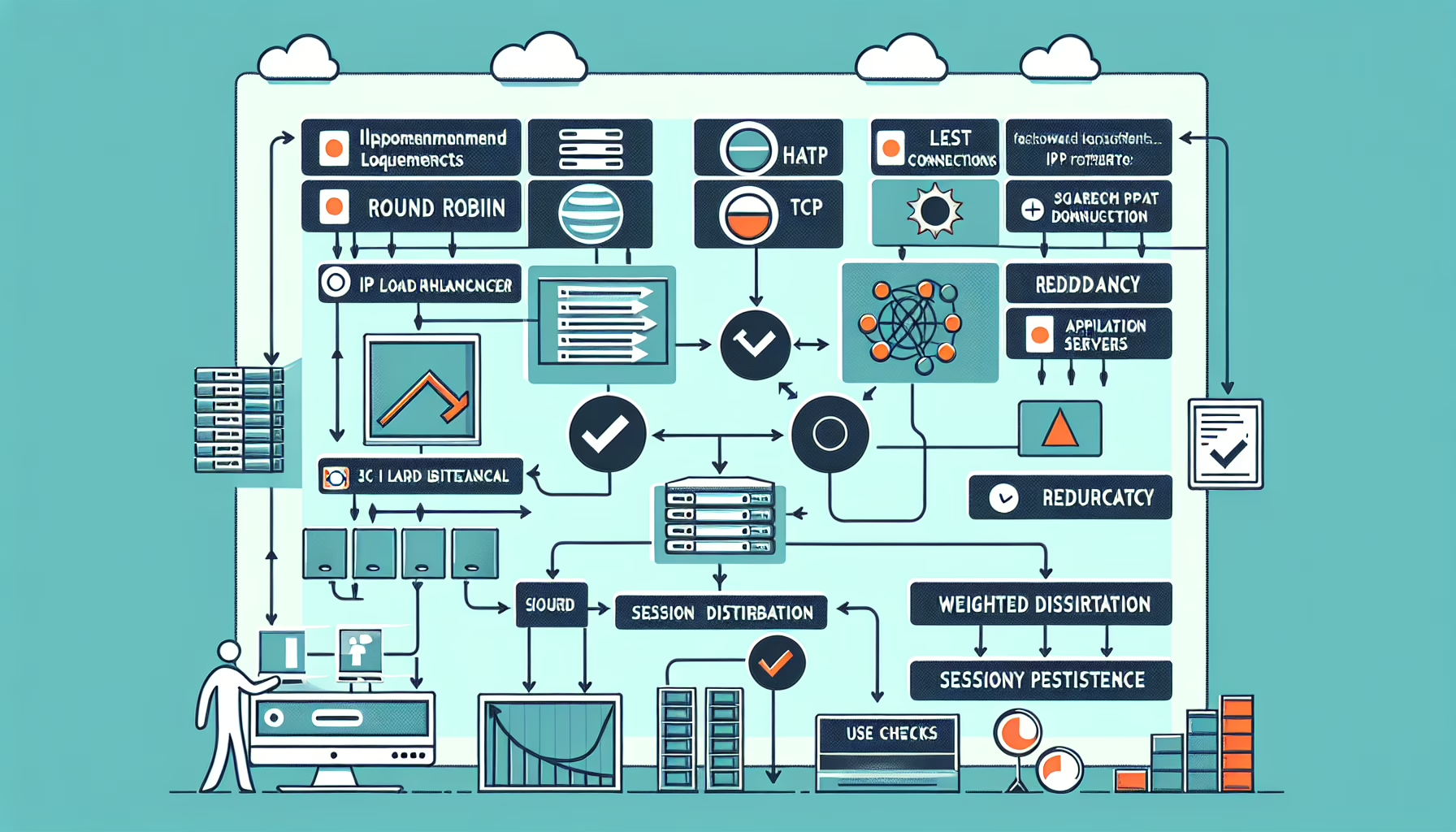
How do I implement load balancing for application servers?

Load balancing application servers gives you high availability, scalability, and better performance. Here’s how to set it up: 1. Define Requirements Traffic type: HTTP(S), TCP, UDP, or other protocols Number of application servers to balance across Redundancy: failover capabilities for server or load balancer failure Scalability: anticipate growth and ensure the design scales easily Persistence […]

Scroll to top