Others

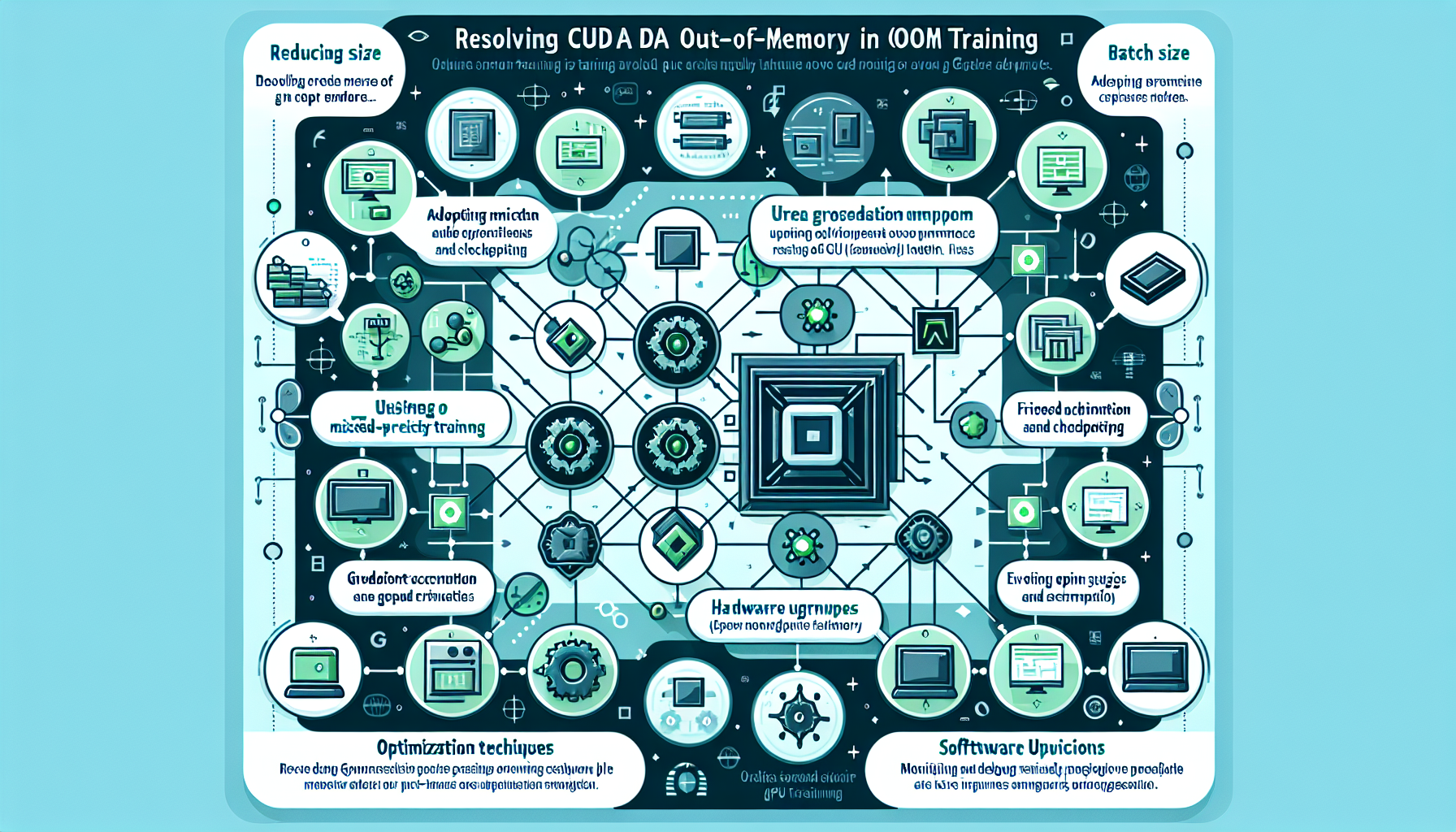
How do I resolve CUDA out-of-memory (OOM) errors during AI training?

Resolving CUDA Out-Of-Memory (OOM) errors during AI model training requires a combination of optimization techniques, hardware considerations, and software adjustments. Here are some practical steps to address this issue: 1. Reduce Batch Size Why: Batch size directly affects how much data is loaded into GPU memory at a time. Larger batches consume more memory. Solution: […]
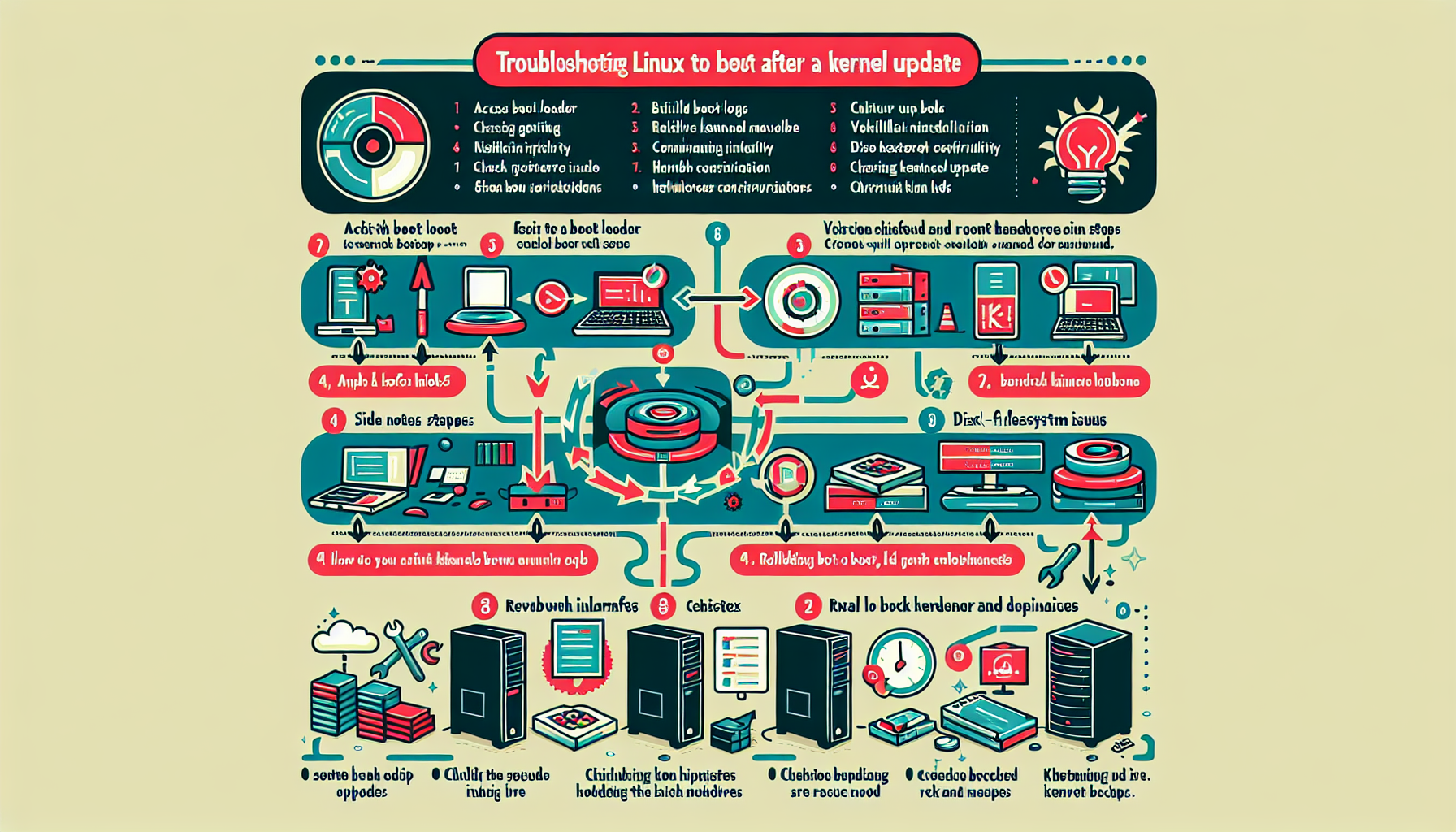
How do I troubleshoot Linux servers that fail to boot after a kernel update?

Troubleshooting Linux servers that fail to boot after a kernel update requires a systematic approach to identify and resolve the issue. Here’s how you can handle this situation: 1. Access the Boot Loader When the server boots, access the GRUB boot loader menu by pressing Esc, Shift, or Esc + Shift, depending on your Linux […]

How do I configure Active Directory (AD) sites and services for multi-branch networks?

Configuring Active Directory (AD) Sites and Services for a multi-branch network is crucial to ensure efficient authentication, replication, and resource access. Below is a step-by-step guide to properly configure AD Sites and Services for a multi-branch network: 1. Understand Your Network Topology Before configuring AD Sites and Services, gather the following information: – Locations of […]

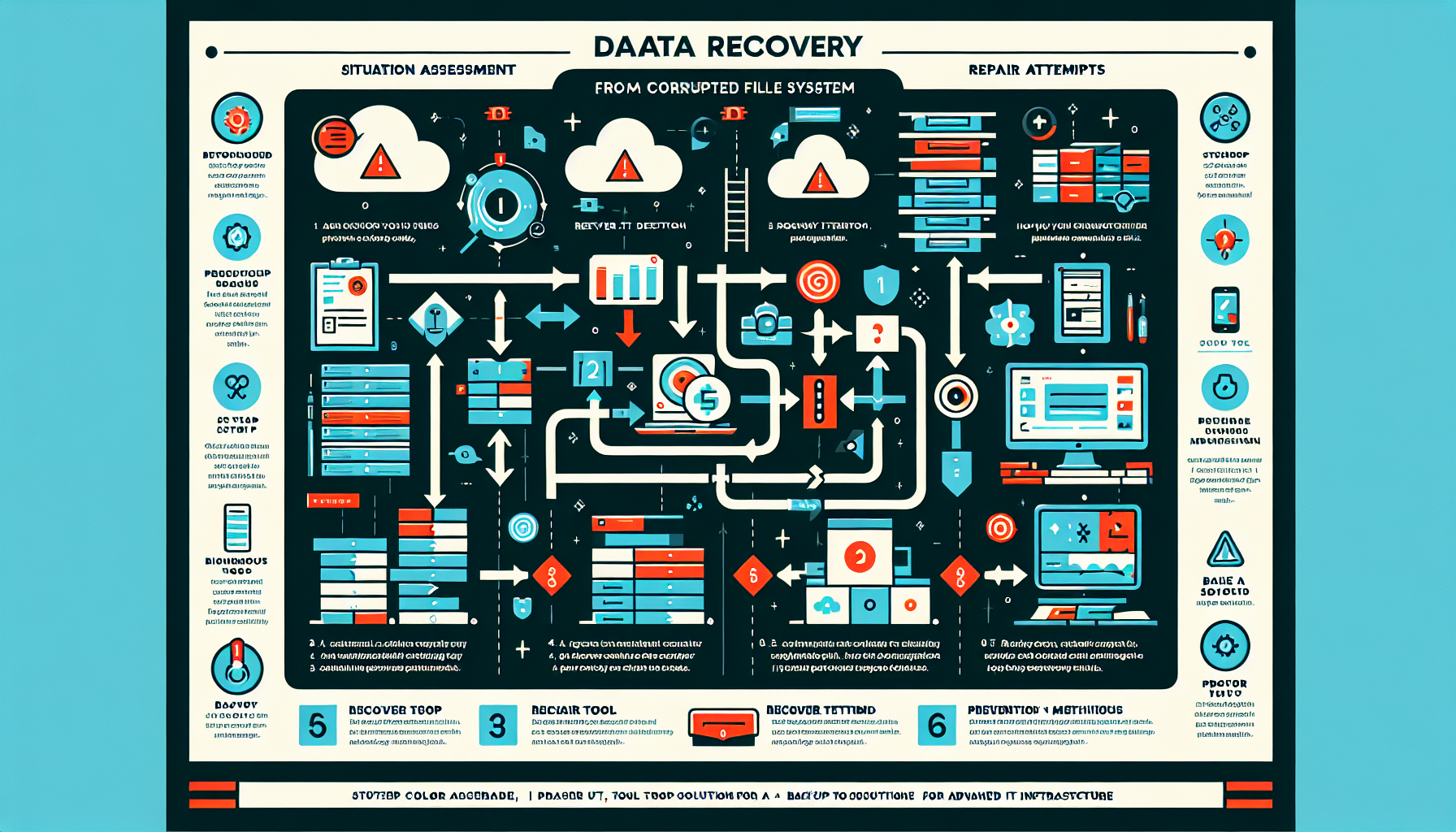
How do I recover data from a corrupted file system?

Recovering data from a corrupted file system is a delicate process that requires careful planning to avoid causing further damage. Below is a step-by-step guide to help you recover the data effectively: Step 1: Assess the Situation Identify the symptoms. Are files missing, unreadable, or inaccessible? Is the entire file system unmountable? Stop writing to […]

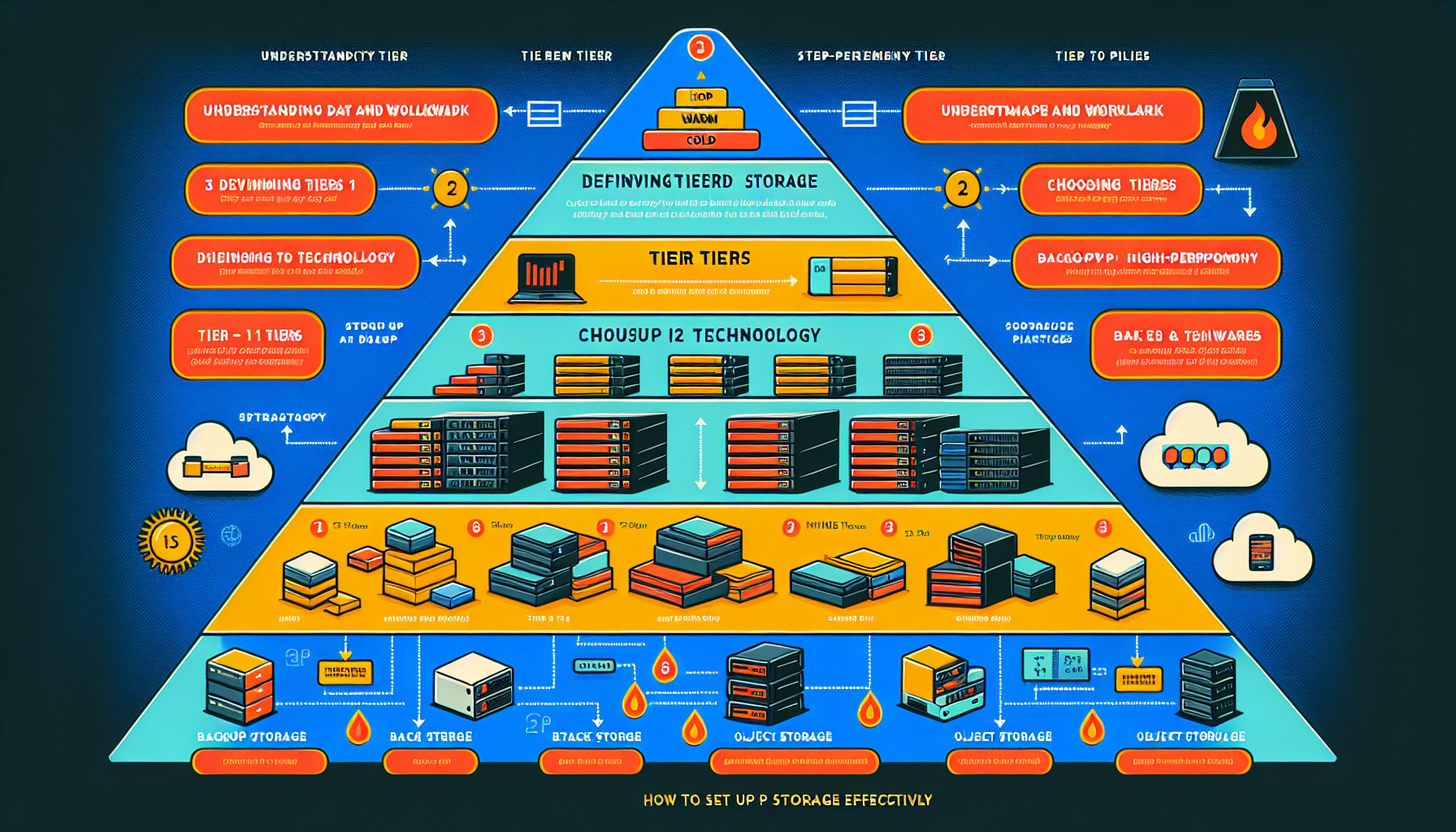
What is the best way to set up tiered storage?

Tiered storage organizes data across different media types to balance performance, capacity, and cost. Here’s how to set it up: 1. Understand Your Data and Workload Monitor read/write frequency, latency needs, and usage trends to identify hot, warm, and cold data. Classify data by performance, latency, and retention requirements (production, archival, backups, etc.). 2. Define […]

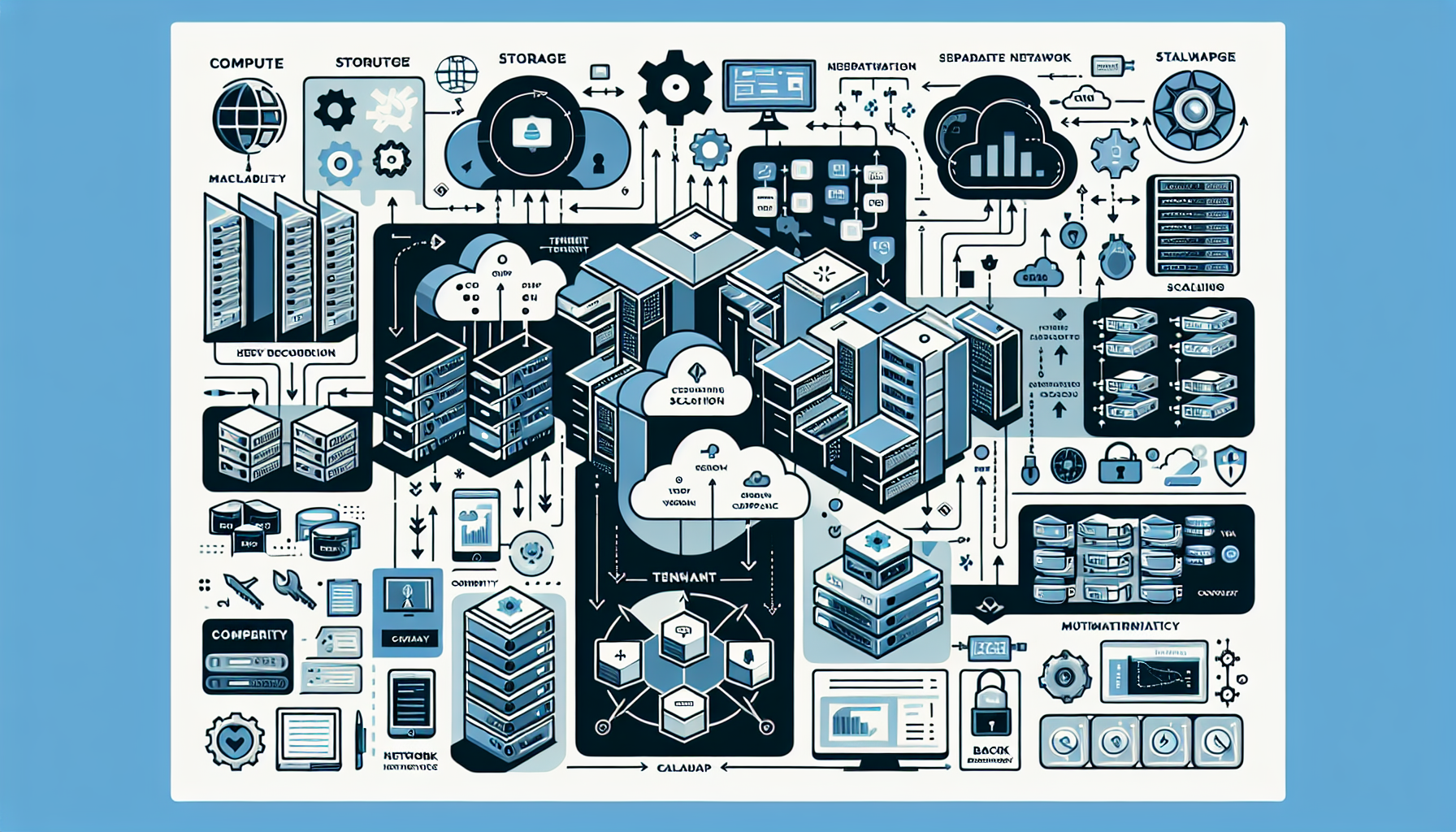
How do I configure IT infrastructure for multi-tenant environments?

Configuring IT infrastructure for multi-tenant environments requires careful planning and execution to ensure isolation, performance, security, and scalability for multiple tenants. A multi-tenant architecture allows multiple customers (tenants) to share the same infrastructure resources while maintaining logical separation. Below is a step-by-step guide to designing and configuring IT infrastructure for multi-tenancy: 1. Understand Tenant Requirements […]

Scroll to top