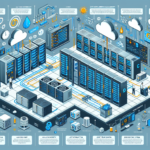
Conduct an energy audit: measure the energy consumption of your current IT systems, including servers, storage, networking, and cooling systems.
Identify inefficiencies: pinpoint areas of high energy usage, such as underutilized servers, inefficient cooling systems, or aging hardware.
Set baselines: establish metrics such as Power Usage Effectiveness (PUE) to monitor and improve energy efficiency.
2. Optimize Datacenter Design
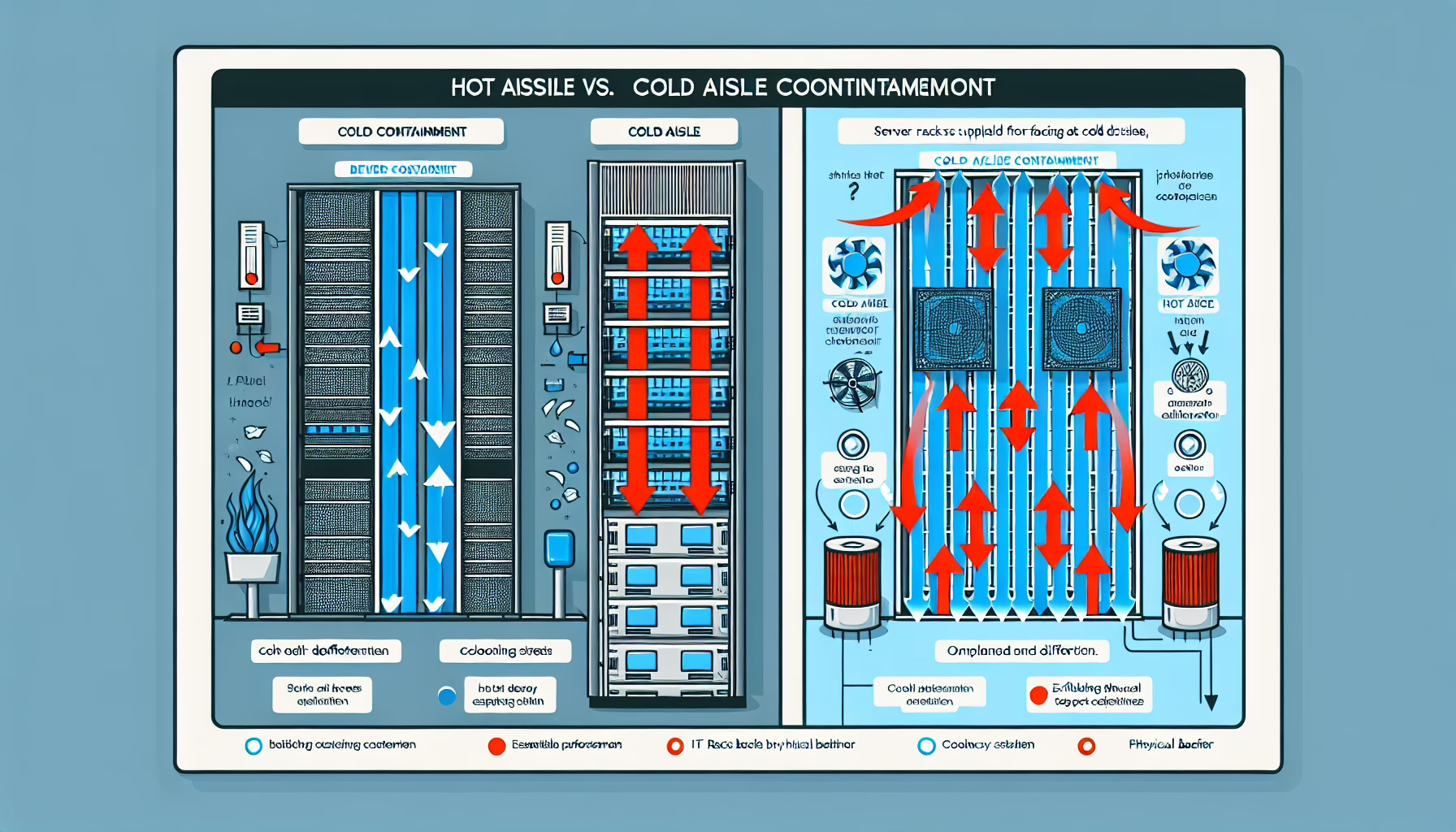
Hot/cold aisle containment: separate warm exhaust air from cooler intake air to improve cooling efficiency.
Airflow management: seal gaps in racks and use blanking panels to prevent air recirculation; install raised flooring or overhead cooling for better airflow management.
Efficient cooling systems: invest in energy-efficient cooling technologies like liquid cooling, economizers, or free air cooling.
Location considerations: place datacenters in cooler climates to leverage natural cooling where feasible; use renewable energy sources like wind or solar power where possible.
3. Virtualization and Consolidation
Server consolidation: use virtualization platforms (e.g., VMware, Hyper-V, KVM) to consolidate workloads onto fewer physical servers, reducing power consumption.
Right-size hardware: match workloads with appropriately sized servers to avoid over-provisioning; use high-density servers and blade enclosures to reduce space and power requirements.
Containerization: implement container platforms like Docker or Kubernetes for lightweight deployment and better resource utilization.
4. Modernize Hardware
Energy-efficient servers: upgrade to modern servers with energy-efficient processors (e.g., Intel Xeon Scalable, AMD EPYC); use hardware with built-in power management features like dynamic voltage scaling.
High-efficiency GPUs: for AI and compute-intensive tasks, deploy energy-efficient GPUs (e.g., NVIDIA A100, AMD Instinct) optimized for power-to-performance ratios.
Storage: replace spinning disk drives (HDDs) with SSDs, which consume less power and generate less heat; use tiered storage to move infrequently accessed data to energy-efficient storage solutions.
5. Energy-Efficient Networking
Upgrade to modern network devices: use energy-efficient switches and routers with low-power idle modes.
Software-defined networking (SDN): implement SDN to centralize control and enable traffic engineering that can reduce unnecessary data transfer.
Cable management: organize cables to improve airflow and simplify maintenance.
6. Implement Intelligent Power Management
Dynamic power scaling: enable power-saving features in servers, such as turning off idle cores or adjusting clock speeds.
Monitor power usage: use tools like Intel Node Manager or Dell OpenManage to monitor and manage power consumption at the server level.
Automated shutdown: implement policies to shut down or hibernate idle systems automatically.
7. Leverage Renewable Energy
On-site generation: install solar panels or wind turbines on-site to offset grid power consumption where feasible.
Energy storage: use battery storage systems to reduce reliance on non-renewable energy during peak hours.
Green energy contracts: partner with energy providers to use renewable energy sources like hydroelectric or geothermal power.
8. Utilize Monitoring and Analytics Tools
Energy monitoring software: deploy tools like PRTG, SolarWinds, or Schneider Electric EcoStruxure to monitor real-time energy usage.
AI for predictive analytics: use AI-based tools to predict workload peaks and adjust resources dynamically to minimize energy waste.
Dashboards and reporting: create dashboards for visualizing energy consumption trends and identifying optimization opportunities.
9. Adopt Cloud and Hybrid Solutions
Migrate to energy-efficient cloud providers: partner with cloud providers that prioritize sustainability, such as AWS (with carbon-neutral initiatives), Google Cloud, or Microsoft Azure.
Hybrid cloud: use a hybrid model to balance on-premises infrastructure with cloud resources, optimizing energy consumption based on workload needs.
10. Educate and Train Staff
Awareness programs: train IT staff on energy-efficient best practices, such as proper server decommissioning or efficient workload management.
Collaboration: encourage collaboration between IT, facilities, and operations teams for holistic energy optimization.
11. Certifications and Standards
Compliance: follow industry standards such as ISO 50001 (Energy Management) or ENERGY STAR for datacenters.
Certify your datacenter: pursue certifications like LEED or Uptime Institute’s Green Datacenter Certification.
12. Long-Term Strategies
Edge computing: deploy edge computing to process data closer to the source, reducing the energy required for data transmission.
Lifecycle management: implement a lifecycle management strategy to upgrade or decommission aging equipment.
Tools and Technologies:
Virtualization platforms: VMware, Hyper-V, KVM
Container orchestration: Kubernetes, OpenShift
Monitoring tools: Nagios, Zabbix, PRTG
Energy analytics: Schneider Electric EcoStruxure, Cisco EnergyWise
AI workload tools: NVIDIA AI Enterprise, Intel DL Boost
Ali YAZICI is a Senior IT Infrastructure Manager with 15+ years of enterprise experience. While a recognized expert in datacenter architecture, multi-cloud environments, storage, and advanced data protection and Commvault automation , his current focus is on next-generation datacenter technologies, including NVIDIA GPU architecture, high-performance server virtualization, and implementing AI-driven tools. He shares his practical, hands-on experience and combination of his personal field notes and “Expert-Driven AI.” he use AI tools as an assistant to structure drafts, which he then heavily edit, fact-check, and infuse with my own practical experience, original screenshots , and “in-the-trenches” insights that only a human expert can provide.